Pabst Blue Ribbon's $20K Reward: A Look into the Beer Heist Landscape
In a startling incident, Pabst Blue Ribbon has announced a $20,000 reward for information leading to the recovery of stolen beer. This article explores the implications of this theft in the broader context of cargo crime.

In an unusual twist of events fit for a Hollywood script, Pabst Blue Ribbon (PBR) has offered a $20,000 reward for information leading to the recovery of over 1,600 cases of its beer stolen in Southern California. This theft, which occurred on August 17, 2026, not only highlights a growing concern surrounding cargo theft in the food and beverage industry but also underscores the lengths to which companies will go to protect their products and brand reputation.
The heist, reportedly valued at approximately $70,000, involved two separate incidents at an Anheuser-Busch distribution center, where thieves made off with a staggering 40,000 pounds of beer. Greig DeBow, CEO of Pabst Brewing Co., made a public plea via TikTok, humorously commenting on the absurdity of the situation, emphasizing that while the thieves may find joy in their ill-gotten gains, the company is determined to reclaim its product.
The Heist: A Closer Look
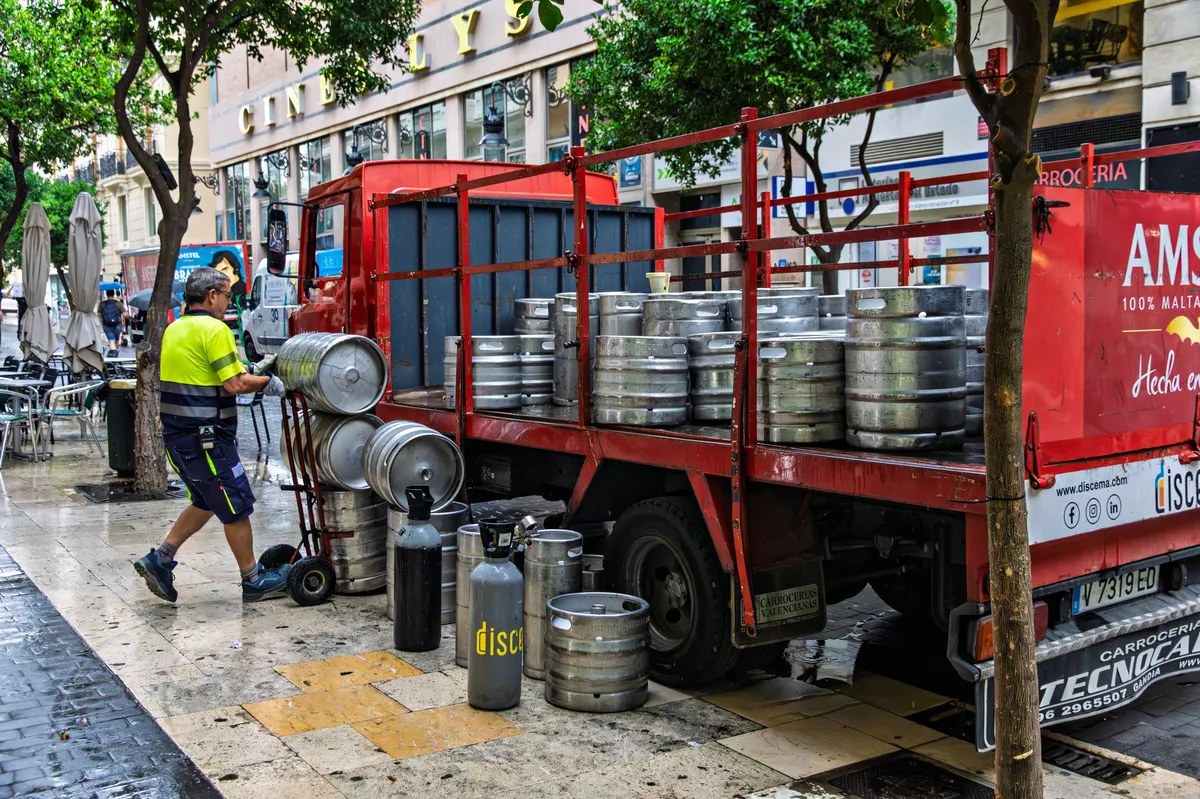
The theft unfolded in two distinct phases on the same day. In the first incident, thieves used fake documentation to pick up beer that was supposed to be delivered to Tucson, Arizona, valued at around $45,000. Shortly thereafter, another group attempted a similar ruse, claiming another $25,000 worth of PBR and Old Milwaukee beer. Such organized tactics are becoming alarmingly common in the realm of cargo theft, particularly in the food and beverage sector.
Understanding Cargo Theft
Cargo theft has seen a significant uptick in recent years, with varying estimates suggesting losses could be in the hundreds of millions annually. According to a report by Verisk, losses from cargo theft reached a staggering $304 million, often linked to organized crime syndicates leveraging sophisticated methods to exploit vulnerabilities in supply chains.
In many cases, these thefts are not simply random acts of opportunistic crime; they are meticulously planned operations. Thieves often conduct extensive research on target shipments, identifying high-value products and the routes taken by delivery trucks. The beer heist involving Pabst is a prime example of this trend. With beer being both valuable and easily transportable, it has become a prime target for thieves.
The Broader Implications for the Beverage Industry
The Pabst Blue Ribbon heist is not an isolated incident. In recent months, the beverage industry has witnessed a series of high-profile thefts. Last year, for instance, 40,000 oysters and a cache of lobster valued at $400,000 were stolen in New England, showcasing the vulnerability of even the most seemingly secure food products. Moreover, in March, Nestlé reported a theft of over 413,000 KitKat bars that were bound for Poland, further emphasizing the seriousness of this issue.
These incidents reveal a troubling pattern: as consumer demand for specialty and premium food items continues to grow, so does the incentive for criminals to target these products. The theft of beer not only represents a financial loss for companies like Pabst but also poses risks to brand integrity and consumer trust.
Corporate Responses and Security Measures
In response to the rising tide of cargo theft, companies are increasingly implementing advanced security measures. This includes real-time tracking systems, enhanced surveillance at distribution centers, and rigorous vetting processes for subcontractors and delivery personnel.
Companies are also investing in employee training to identify potential fraud and theft risks. Moreover, partnerships with law enforcement have become essential in combating organized crime. Pabst’s $20,000 reward is part of a broader strategy to engage the public in the recovery efforts, leveraging community vigilance to deter such crimes. By offering a significant reward, Pabst is not just looking to retrieve its stolen inventory but is also sending a clear message that it takes the theft seriously.
What Consumers Should Know
For consumers, understanding the implications of cargo theft extends beyond a mere interest in a beer brand. The increasing prevalence of these incidents could lead to higher prices for consumers as companies look to offset losses through increased premiums and tighter supply chains. Additionally, consumers may also find themselves facing product shortages, particularly for high-demand items that are frequently targeted.
Moreover, the theft of food and beverage products raises questions regarding food safety and quality. Stolen products can often end up on the black market, where they may not meet safety standards. Consumers should be vigilant, ensuring that they purchase products from reputable sources.

Key Takeaways
- Pabst Blue Ribbon is offering a $20,000 reward for information leading to the recovery of over 1,600 cases of stolen beer.
- Cargo theft is on the rise, with losses in the food and beverage sector totaling hundreds of millions annually.
- Companies are enhancing security measures to combat organized theft, including real-time tracking and employee training.
- Consumers may face higher prices and potential shortages due to rising incidents of theft.
- Community engagement is vital in recovering stolen goods and deterring future crimes.
Frequently Asked Questions
What steps can companies take to prevent cargo theft?
Companies can implement a variety of measures to mitigate the risk of cargo theft. This includes investing in advanced tracking technologies that allow for real-time monitoring of shipments. Additionally, enhancing security at distribution centers with surveillance cameras and controlled access can deter potential thieves. Conducting background checks on employees and subcontractors is essential, as is regular training to recognize signs of fraud. Collaborating with local law enforcement and industry groups can also provide valuable resources and intelligence in combating cargo theft.
How does cargo theft affect consumers directly?
Cargo theft can have a direct impact on consumers through increased prices and potential shortages of their favorite products. When companies experience significant losses from theft, they often pass these costs onto consumers, leading to higher prices at retail outlets. Additionally, the black market for stolen goods may lead to product availability issues, as legitimate supply chains are disrupted. Consumers may also face safety concerns, as stolen products may not meet quality control standards.
Why is beer specifically targeted in cargo thefts?
Beer is particularly attractive to thieves for several reasons. First, it is a high-value product that is relatively easy to transport and sell. Secondly, the demand for beer often peaks during certain seasons or events, making it a lucrative target. Additionally, beer can be sold on the black market without significant risk of detection, especially when sold in bulk. The cultural significance of certain brands can also drive demand, making them prime targets for organized criminals.
What should individuals do if they have information about a theft?
If individuals have any information regarding a theft, they should report it to the relevant authorities as soon as possible. In the case of the Pabst Blue Ribbon theft, the company has provided a hotline email (hotline@pabst.com) for tips. Prompt reporting can assist law enforcement in recovering stolen goods and apprehending suspects. It is also advisable to provide as much detail as possible, including descriptions of individuals involved, vehicle information, and any suspicious activity observed.
Comments
How Delegated Underwriting is Reshaping the Commercial Insurance Landscape
A new report from Moody's reveals that brokers are gaining structural power in commercial insurance through delegated underwriting. This shift impacts how risks are sourced and negotiated, offering both opportunities and challenges for insurers and clients alike.

Related articles




Popular in Business Insurance
- Surging War-Risk Insurance Rates in the Strait of Hormuz: What It Means for Shipping
- Ross & Yerger Insurance Faces Class Action Over Data Breach Allegations
- Sompo Expands U.S. Workers' Compensation Portfolio with Service Insurance Acquisition
- Legal Battle Unfolds Over $1 Million Truck Crash Insurance Payout
- Howden Group's Ambitious Journey Toward IPO and Expansion