Guidewire's Record Year: Implications for Brokers and Insurers
Guidewire Software's remarkable growth reveals a significant shift in the P&C insurance industry, emphasizing the importance of technology in underwriting and claims processes. This transformation will directly impact brokers and their interactions with carriers.
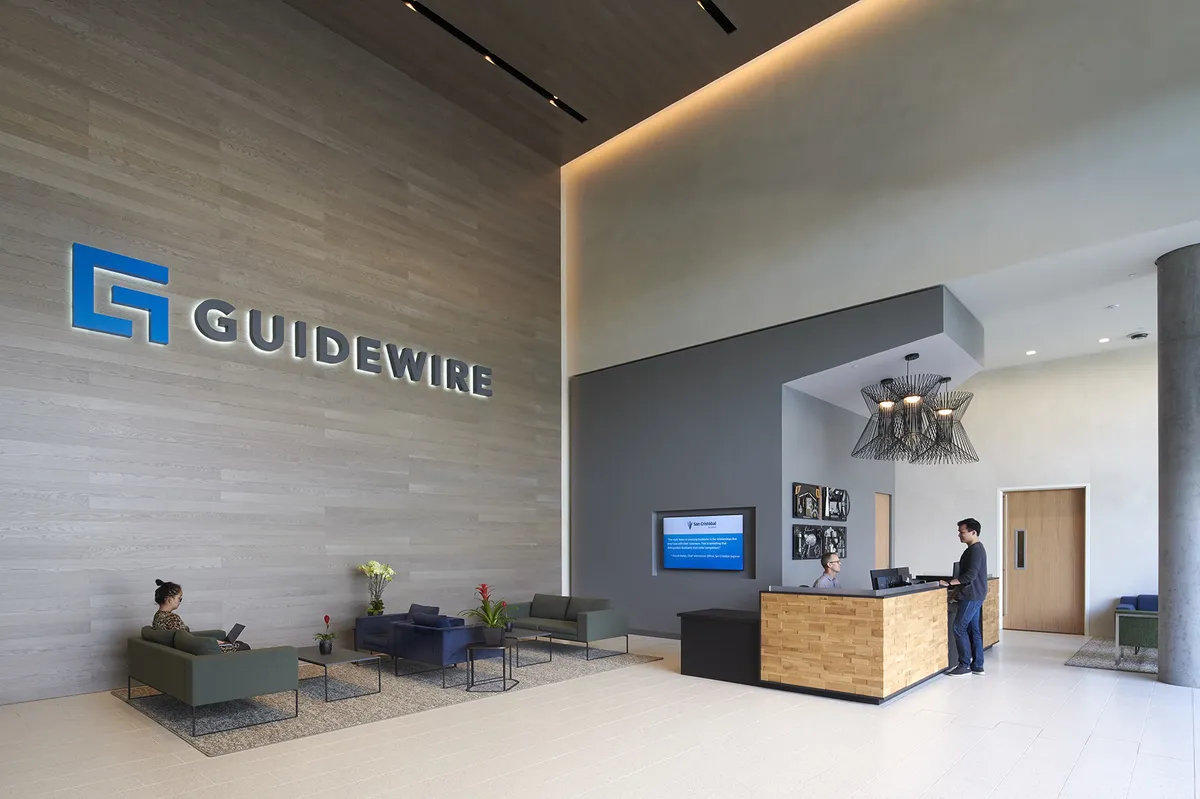
In the fast-evolving landscape of property and casualty (P&C) insurance, few developments have garnered as much attention as Guidewire Software's impressive fiscal performance for the year ending July 31, 2026. The company reported a total revenue of $1.475 billion, reflecting a robust 23% increase from the previous year. While the figure itself is significant, the underlying trends driving this growth are what truly warrant discussion. As P&C insurers increasingly embrace cloud technology and artificial intelligence (AI), the foundational aspects of underwriting, pricing, and overall operations are set to undergo transformative changes. This article explores the implications of Guidewire's success not only for the company itself but also for brokers and insurers navigating this new technological terrain.
Understanding Guidewire's Business Model and Growth Drivers
Headquartered in San Mateo, California, Guidewire provides essential software solutions encompassing policy management, billing, and claims processing for over 570 insurers across 44 countries. The company's fiscal success is largely attributed to its cloud platform, which saw subscription and support revenue surge by 33% to reach $970.9 million in fiscal 2026. Additionally, the annual recurring revenue (ARR) grew to $1.242 billion, an increase of 19% when adjusted for constant currency.
This remarkable growth underscores a pivotal industry shift. Insurers are transitioning from traditional, perpetual licensing models to more flexible cloud subscriptions. This migration is not merely a trend; it indicates a long-term commitment to Guidewire’s platform, as echoed by CEO Mike Rosenbaum: "Customers are deepening their commitments to Guidewire's core offerings and expanding with new pricing and AI-focused products." This commitment is significant as it suggests that insurers are not only adopting new technologies but are also aligning their operational strategies with advanced solutions to maintain competitiveness in an increasingly digital landscape.

The Role of AI in Insurance Transformation
One of the most prominent catalysts for Guidewire's growth is the integration of artificial intelligence into its offerings. In August 2026, Guidewire launched its Qusar platform, introducing an Agentic Framework that allows insurers to deploy AI agents directly within their core systems. This innovation includes tools designed to streamline claims processing and underwriting, such as:
- Claims Summarization Agent: Assists adjusters by summarizing claims data.
- Policy Change Agent: Aids underwriters and service teams in managing policy modifications.
- AI-Powered First Notice of Loss Tool: Captures claim details via voice conversations, minimizing manual data entry.
The primary objective of these advancements is to eliminate administrative burdens from critical functions, enabling insurers to handle increased volumes of claims and underwriting requests while improving cycle times. A 2026 survey by WTW highlighted the effectiveness of such technological advancements, revealing that insurers employing more sophisticated analytics achieved combined ratios that were six percentage points lower and premium growth that was three percentage points higher compared to those lagging in technology adoption.

Implications for Brokers and Client Experience
The ripple effects of Guidewire's technological advancements extend significantly to brokers. As carriers enhance their capabilities to process submissions, assess risks, and resolve claims, brokers will find themselves in a new operating environment. Faster turnaround times for quotes and claims will enhance the client experience—a fundamental aspect brokers are accountable for. Moreover, as carriers implement automated intake processes for submissions, they may adopt a more selective approach to risk assessment. This could lead to quicker declines for risks that are poorly packaged, necessitating brokers to ensure that submissions are comprehensive and well-prepared.
Furthermore, a notable trend is emerging in the competitive dynamics of risk placement. According to Guidewire’s London Market research, 78% of brokers in that region indicated that insurer technology plays a decisive role in their risk placement decisions. While this statistic pertains specifically to London, it reflects a broader pattern across the insurance market. Brokers are increasingly inclined to route business toward carriers whose technological capabilities streamline the placement process, thereby enhancing efficiency and competitiveness.

Market Trends and Future Prospects
Guidewire's financial results offer more than just a snapshot of the company's performance; they provide critical insights into where the P&C insurance industry is directing its technological investments. The shift towards cloud-based platforms is not a fleeting trend but rather a fundamental change that speaks volumes about carriers' commitment to evolving their operations. As highlighted by Jeff Cooper, Guidewire's chief financial officer, the lowest annual recurring revenue attrition rate the company has recorded signifies a robust customer commitment. Insurers are not just purchasing licenses; they are remaining engaged and expanding their usage of the platform.
For brokers, this evolution represents both challenges and opportunities. As the insurance landscape transforms, brokers must adapt to new methods of engagement with insurers while ensuring that they remain informed about the technological tools at their disposal. Staying ahead of these trends will be crucial as brokers strive to maintain their relevance and effectiveness in a technology-driven market.
Key Takeaways
- Guidewire's revenue growth reflects a significant shift towards cloud and AI in the P&C insurance sector.
- Insurers are increasingly committing to Guidewire's platform, moving from traditional licensing to cloud subscriptions.
- AI integrations are streamlining underwriting and claims processes, leading to improved operational efficiency.
- Brokers need to adapt to faster submission processing and risk assessment as technology reshapes the industry.
- Understanding carriers' technological capabilities will be essential for brokers to remain competitive.
Frequently Asked Questions
What is Guidewire Software's significance in the insurance industry?
Guidewire Software plays a pivotal role in the P&C insurance industry by providing essential software solutions for policy management, billing, and claims processing. With over 570 insurers using its platform globally, Guidewire's technology is foundational to the operations of many insurance companies, particularly as the industry shifts toward cloud and AI solutions.
How does AI impact the underwriting and claims processes?
AI significantly enhances underwriting and claims processes by automating routine tasks and providing advanced analytics capabilities. For instance, AI tools can expedite claims summarization and policy changes, thereby reducing administrative overhead and enabling insurers to process higher volumes of claims with greater speed and accuracy. This ultimately leads to improved client experiences and operational efficiencies.
What should brokers do to adapt to these changes?
Brokers should proactively educate themselves about the technological advancements being adopted by carriers they work with. Understanding the capabilities of insurers' platforms can help brokers position their clients effectively and ensure submissions are well-prepared to meet new requirements. Additionally, embracing technology in their own operations will be essential for brokers to stay competitive in a rapidly evolving market.
What trends are emerging in the insurance placement process?
As insurers enhance their technological capabilities, brokers are increasingly prioritizing placement decisions based on the efficiency of carriers' systems. This trend, highlighted by research indicating that a significant percentage of brokers consider technology a crucial factor in their placement decisions, suggests that brokers must align themselves with tech-savvy insurers to ensure their business remains competitive and relevant.
Comments
How Delegated Underwriting is Reshaping the Commercial Insurance Landscape
A new report from Moody's reveals that brokers are gaining structural power in commercial insurance through delegated underwriting. This shift impacts how risks are sourced and negotiated, offering both opportunities and challenges for insurers and clients alike.

Related articles






Popular in Business Insurance
- Surging War-Risk Insurance Rates in the Strait of Hormuz: What It Means for Shipping
- Ross & Yerger Insurance Faces Class Action Over Data Breach Allegations
- Sompo Expands U.S. Workers' Compensation Portfolio with Service Insurance Acquisition
- Legal Battle Unfolds Over $1 Million Truck Crash Insurance Payout
- Howden Group's Ambitious Journey Toward IPO and Expansion