Guinness Heist: The Great Beer Robbery of 70,000 Pints
British police are on the case to recover a staggering 70,000 pints of stolen Guinness, valued at over $155,000. This article explores the implications of beer thefts and the growing trend of cargo crime.

In a bizarre turn of events, British police are faced with a unique challenge: recovering a staggering 70,000 pints of Guinness stout, stolen from a depot near Liverpool. This brazen theft, which occurred on a quiet Monday night, has left law enforcement scratching their heads while beer enthusiasts across the UK lament the loss of their beloved brew. Valued at approximately 115,000 pounds (or $155,000), the stolen stout represents a substantial financial hit not only to the brewery but also to the pubs and consumers eagerly awaiting their deliveries.
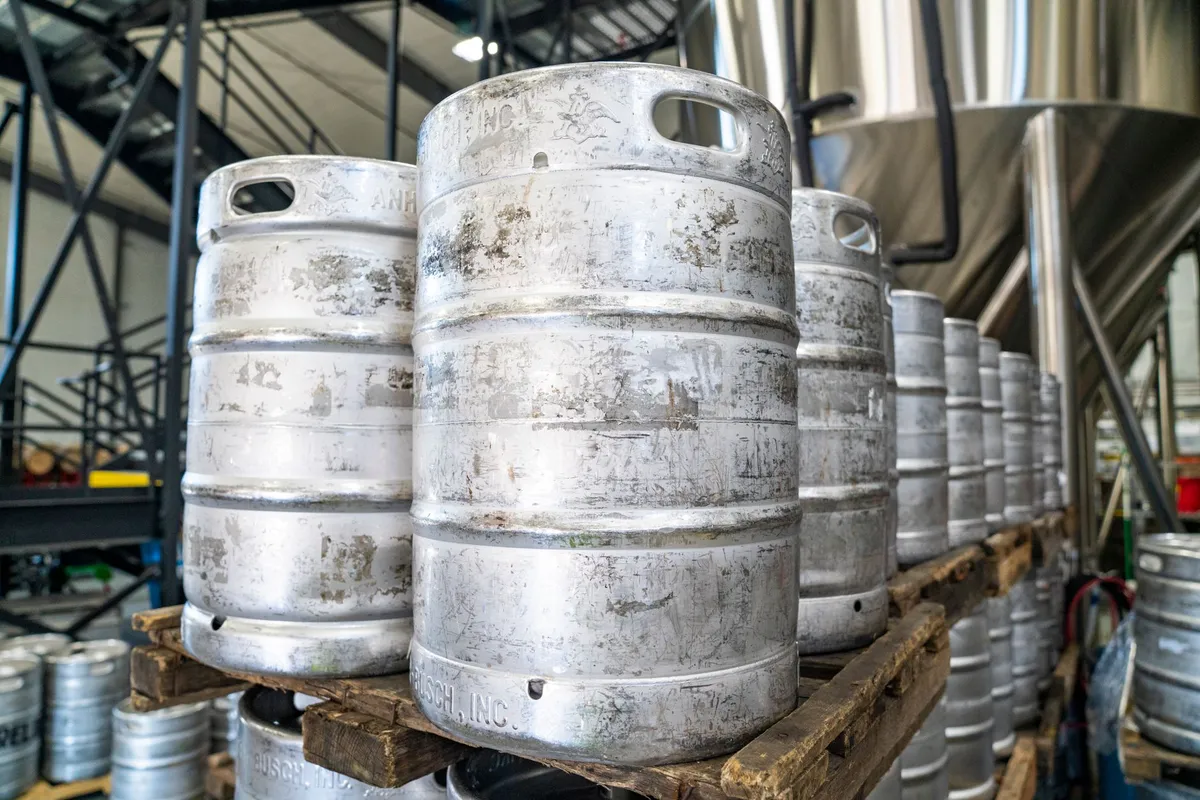
The theft involved two trailer truckloads of the creamy, dark beer, specifically destined for local pubs. According to the Cheshire Constabulary, the culprits, posing as legitimate drivers, managed to drive away with the trailers containing about 800 barrels of Guinness. Detective Sergeant Gary McClatchy, involved in the investigation, humorously remarked, "It is famously said that 'Guinness is good for you, but that is only the case when it has been bought and paid for.'" This statement underscores the seriousness of the crime as authorities are determined to recover the stolen goods.
The Growing Problem of Beer Theft
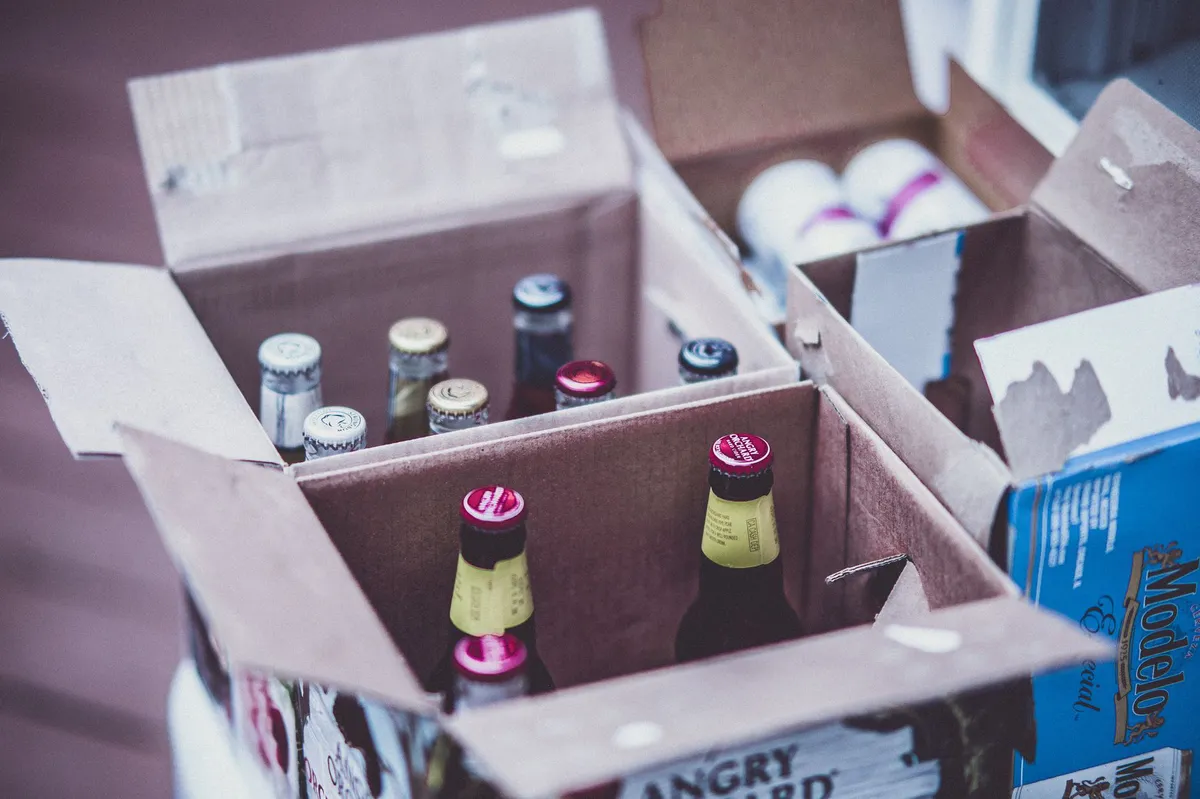
This incident isn't an isolated case. In fact, it highlights a troubling trend in the beverage industry: the increasing frequency of beer thefts. Just weeks prior to this Guinness heist, a similar incident garnered attention in the United States, where thieves made away with approximately 34,000 cans of Pabst Blue Ribbon, valued at $70,000. The company even humorously addressed the theft on social media, cheekily appealing to the thief, stating, "To the thief: we don’t fault you for wanting to brag to your friends how much PBR you have; we just wish you obtained it the honorable way." This playful yet serious approach drew attention to the issue of cargo crime in the beverage sector, which has seen a marked increase in recent years.
Understanding Cargo Theft
Cargo theft, particularly in the beverage industry, encompasses a wide range of criminal activities that can have serious repercussions for manufacturers, distributors, and retailers. The financial impact of such thefts is profound, often resulting in not just the loss of goods but also increased insurance premiums, disrupted supply chains, and potential reputational damage.
What is Cargo Theft?
Cargo theft occurs when goods are stolen from a truck, warehouse, or other shipping containers. This can happen through various means, including:
- Direct theft from a transport vehicle
- Fraudulent pickups where criminals pose as legitimate drivers
- Internal theft by employees or insiders
- Robberies during transportation
In the case of the stolen Guinness, the perpetrators likely employed the fraudulent pickup method, a tactic that has become increasingly common. The sheer volume of goods involved in such thefts makes them particularly lucrative targets for organized crime.
Legal and Financial Implications
The ramifications of such thefts extend beyond the immediate financial loss. Companies often face rising insurance premiums as they seek to protect their assets against future losses. Insurers may consider various factors when determining premiums, including:
- The frequency of thefts in the area
- Past claims history
- Security measures in place for transportation and storage
In response to rising theft rates, suppliers may also invest in enhanced security measures, such as GPS tracking systems for their vehicles, increased surveillance at warehouses, and robust vetting processes for employees and drivers. These steps, while effective, come at an additional cost, further impacting the bottom line.
Impact on Consumers and Local Businesses
For the average consumer, the effects of cargo theft might not seem immediately apparent. However, as breweries and distributors raise prices to offset losses from theft, the cost is often passed down to the consumer. Additionally, local pubs that rely on timely deliveries may find themselves without stock, leading to potential lost revenue. The ripple effects can disrupt the entire supply chain, affecting not only the breweries but also the bars and restaurants that serve their products.
The Role of Law Enforcement
In combating cargo theft, law enforcement agencies play a crucial role. Investigations like the one currently underway for the stolen Guinness require collaboration between local police and specialized units that handle cargo crime. The challenges are numerous, as thieves often operate in networks that span across various regions, making it difficult to track stolen goods. Authorities are increasingly leveraging technology and data analysis to identify patterns and catch perpetrators.
Key Takeaways
- British authorities are investigating the theft of 70,000 pints of Guinness stout, valued at approximately $155,000.
- Cargo theft in the beverage industry is on the rise, with similar incidents reported in recent months.
- The financial implications of cargo theft extend to increased insurance costs and potential price hikes for consumers.
- Law enforcement agencies are stepping up efforts to combat cargo crime through enhanced collaboration and technology.

Frequently Asked Questions
What should breweries do to protect against theft?
Breweries can take several proactive measures to safeguard their products against theft. Implementing security technologies such as GPS tracking for vehicles, investing in alarm systems for warehouses, and conducting thorough background checks on employees can help reduce risks. Additionally, maintaining strong relationships with local law enforcement can facilitate quicker responses in the event of a theft.
How does cargo theft affect insurance premiums?
When cargo theft becomes more common in a specific area or industry, insurance companies may raise premiums to compensate for the increased risk. This means that businesses may find themselves paying more for coverage, which can impact their overall operational costs. Additionally, businesses with a history of theft claims may face higher premiums than those with a clean record.
What are the legal consequences for cargo theft?
The legal consequences for cargo theft can be severe, ranging from hefty fines to imprisonment. Depending on the value of the stolen goods, offenders may face felony charges, which carry significant penalties. In many instances, organized theft rings can also attract charges related to conspiracy and racketeering, further complicating their legal challenges.
How do consumers typically respond to beer shortages?
Consumers often react to beer shortages with frustration, especially if their favorite brands are affected. This can lead to a temporary spike in demand for alternative products or brands, causing fluctuations in the market. Pubs and restaurants may also experience a decline in patronage if they cannot serve popular beer options, prompting them to seek out alternative suppliers or adjust their offerings to retain customers.
Comments
Tesla's Cybercab Launch: Navigating Innovation and Regulatory Hurdles
Tesla's launch of its Cybercab robotaxi service is met with regulatory scrutiny, raising important questions about safety and compliance in autonomous vehicles.

Related articles







Popular in Business Insurance
- Surging War-Risk Insurance Rates in the Strait of Hormuz: What It Means for Shipping
- Ross & Yerger Insurance Faces Class Action Over Data Breach Allegations
- Sompo Expands U.S. Workers' Compensation Portfolio with Service Insurance Acquisition
- Legal Battle Unfolds Over $1 Million Truck Crash Insurance Payout
- Howden Group's Ambitious Journey Toward IPO and Expansion