Tesla's Cybercab Launch: Navigating Innovation and Regulatory Hurdles
Tesla's launch of its Cybercab robotaxi service is met with regulatory scrutiny, raising important questions about safety and compliance in autonomous vehicles.
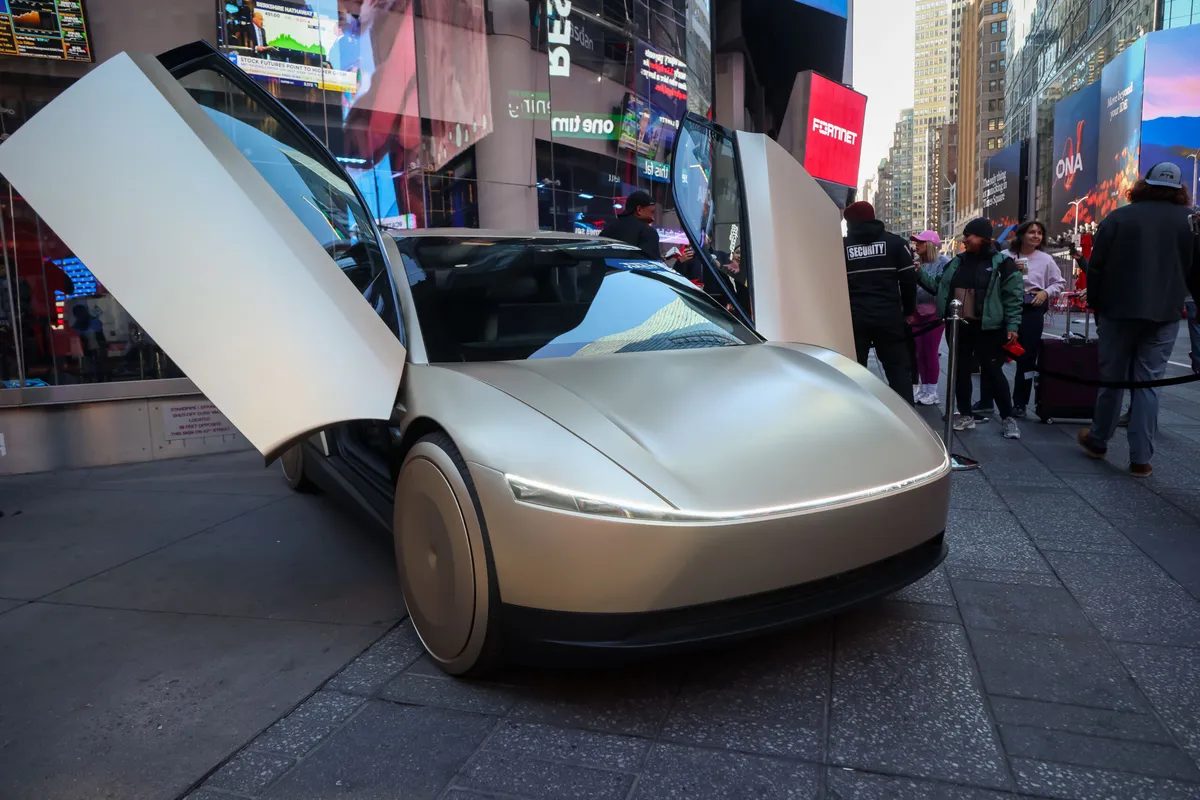
In a significant step toward realizing Elon Musk's futuristic vision of autonomous transport, Tesla Inc. has officially launched its Cybercab service, marking an essential milestone for the electric vehicle manufacturer. However, the debut of this robotaxi service, which took place in Austin, Texas, was not without its challenges. While Tesla is known for its bold announcements and high-profile events, the Cybercab launch was surprisingly understated, lacking the usual fanfare and livestream coverage that typically accompanies such occasions. This low-key rollout comes as the U.S. National Highway Traffic Safety Administration (NHTSA) has initiated an investigation into the self-certification process used by Tesla to deem the Cybercabs compliant with federal safety standards, raising concerns about the regulatory landscape for autonomous vehicles.
As the world watches, the Cybercab represents not just a new mode of transport but a pivotal moment in Tesla's evolution from an electric vehicle manufacturer to a leader in artificial intelligence and autonomous technology. Yet, with the rollout shrouded in uncertainty, many are left questioning the viability and safety of this ambitious initiative.
Understanding the Cybercab: A New Era in Autonomy
The Cybercab is designed as a fully autonomous vehicle that lacks traditional driver controls, such as a steering wheel or foot pedals. Instead, it operates solely on advanced artificial intelligence, which Tesla has been developing for years. The aim is for the Cybercab to serve as the backbone of a vast robotaxi fleet that could transform urban transportation.
Features of the Cybercab
- Fully Autonomous: No steering wheel, brake pedal, or foot controls, relying entirely on AI.
- Spacious Interior: Designed for comfort, with ample space for passengers.
- Advanced Safety Measures: Initially includes human monitors during some rides.
Despite the innovative design, the lack of traditional safety features has drawn the attention of regulators. The NHTSA's investigation centers on Tesla's self-certification of the Cybercab, which could have implications for the future of autonomous vehicles in the U.S.
The Regulatory Landscape: Challenges Ahead
The investigation launched by NHTSA raises critical questions about how Tesla has ensured the safety and compliance of the Cybercab with federal regulations. The agency's scrutiny covers approximately 1,000 vehicles that Tesla has self-certified, focusing on the processes and technical data that underpin this certification.
Current Regulations on Autonomous Vehicles
U.S. regulations surrounding autonomous vehicles have been evolving, but many requirements still mandate that vehicles include human-centric features such as:
- Steering wheels
- Brake pedals
- Side mirrors
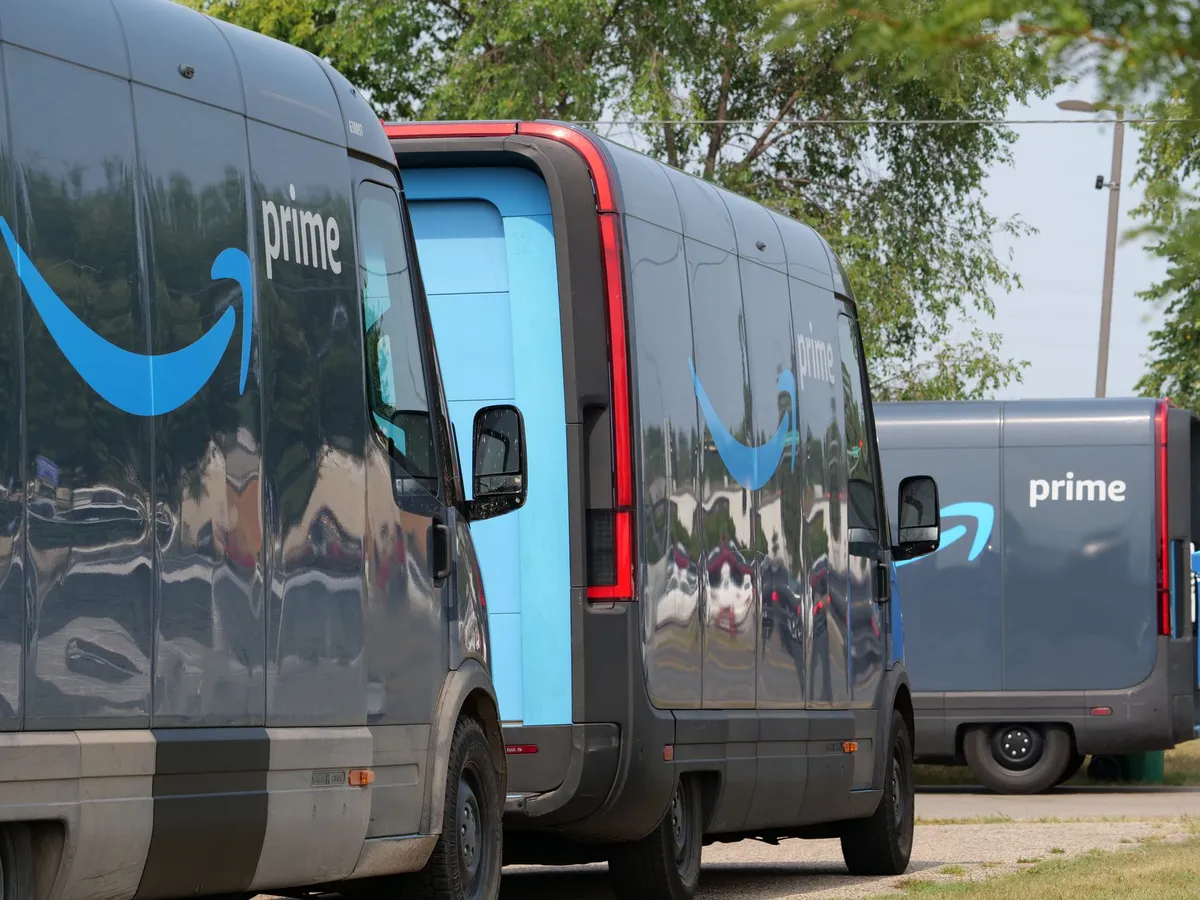
While the NHTSA has proposed changes to facilitate the deployment of autonomous vehicles, these regulations have yet to be finalized, leaving companies like Tesla operating in a gray area. Unlike Zoox, Amazon's autonomous vehicle unit, which successfully obtained an exemption from certain safety standards, Tesla has not filed a similar request for the Cybercab, complicating its rollout.
Market Reactions and Investor Sentiment
The muted launch of the Cybercab has left many investors and analysts feeling uncertain. Following the event, Tesla's stock experienced a notable decline, falling 4.6%, marking the largest intraday drop in six weeks. Analysts expressed disappointment over the lack of live communication about the event and the absence of clear growth and scaling targets.
Investor Concerns
Investors are keenly aware that Tesla's core vehicle manufacturing sector is currently stagnant, making the success of the Cybercab increasingly important. The company has seen its shares drop by 16% in 2026, while the broader S&P 500 Index has gained 13%. As the market looks for indicators of growth, the success or failure of the Cybercab could significantly impact Tesla's future prospects.
The Future of Autonomous Transportation
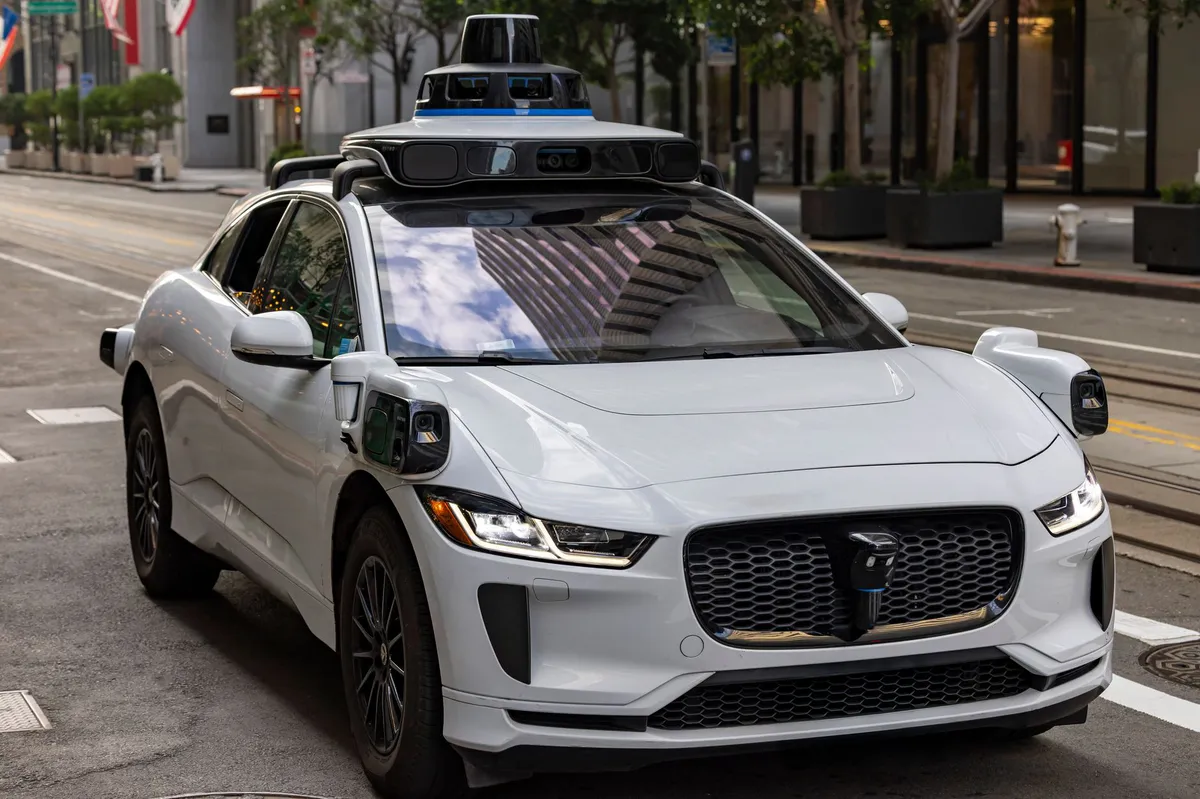
As Tesla prepares to scale its Cybercab service, the company is looking to establish a significant presence in the autonomous vehicle market. With 420 Cybercabs already registered in Texas and plans to expand further, the potential for growth is substantial. However, Tesla faces stiff competition from established players like Waymo, which has registered nearly 1,000 vehicles in the same state.
Building a Robotaxi Fleet
Elon Musk has promised a future where Tesla's robotaxi fleet spans the U.S., but the path to this vision is fraught with challenges. The company aims to provide thousands of Cybercabs, yet operationalizing this dream requires overcoming both regulatory hurdles and demonstrating the technology's reliability and safety to a skeptical public.
Key Takeaways
- **Tesla's Cybercab** has officially launched, aiming to revolutionize urban transport through autonomy.
- The **NHTSA is investigating** Tesla's self-certification of the Cybercab, raising safety compliance questions.
- Investor sentiment is cautious as **Tesla's stock fell** post-launch amid concerns over growth prospects.
- Regulatory challenges persist, as **federal standards** for autonomous vehicles have not yet been finalized.
- With competition from **Waymo**, Tesla needs to quickly demonstrate the viability of its Cybercab service.
Frequently Asked Questions
What is the Cybercab?
The Cybercab is Tesla's fully autonomous vehicle designed for its robotaxi service. Unlike traditional vehicles, it lacks driver controls like a steering wheel and pedals, relying solely on advanced artificial intelligence for navigation and operation. The vehicle is aimed at transforming urban transportation by providing a safe and efficient ride-hailing option.
Why is the NHTSA investigating Tesla's Cybercab?
The NHTSA has opened an investigation to examine how Tesla self-certified the Cybercab as compliant with federal safety standards. Given the vehicle's lack of traditional safety features required by current regulations, the agency is scrutinizing the processes and technical data Tesla used in this self-certification to ensure public safety.
How is the market reacting to Tesla's Cybercab launch?
The launch has elicited a mixed response from the market. Following the event, Tesla's shares fell significantly, indicating investor concerns about the company's growth trajectory and the potential impact of regulatory challenges on the Cybercab's success. Many investors were hoping for more clarity on growth and scaling targets during the launch.
What does the future hold for autonomous vehicles?
The future of autonomous vehicles is promising yet uncertain. While companies like Tesla are pushing to innovate and expand their robotaxi services, they face regulatory hurdles and competition from established players in the market. The successful deployment of autonomous vehicles will depend on navigating these challenges while ensuring safety and compliance with evolving regulations.
Comments
Guinness Heist: The Great Beer Robbery of 70,000 Pints
British police are on the case to recover a staggering 70,000 pints of stolen Guinness, valued at over $155,000. This article explores the implications of beer thefts and the growing trend of cargo crime.

Related articles

Popular in Business Insurance
- Surging War-Risk Insurance Rates in the Strait of Hormuz: What It Means for Shipping
- Ross & Yerger Insurance Faces Class Action Over Data Breach Allegations
- Sompo Expands U.S. Workers' Compensation Portfolio with Service Insurance Acquisition
- Legal Battle Unfolds Over $1 Million Truck Crash Insurance Payout
- Howden Group's Ambitious Journey Toward IPO and Expansion