How AI is Revolutionizing Agriculture: Insights from McKinsey's 2026 Report
As farmers face rising costs and unpredictable conditions, AI adoption is surging, according to McKinsey's latest report. This technology could reshape farming practices and improve profitability.
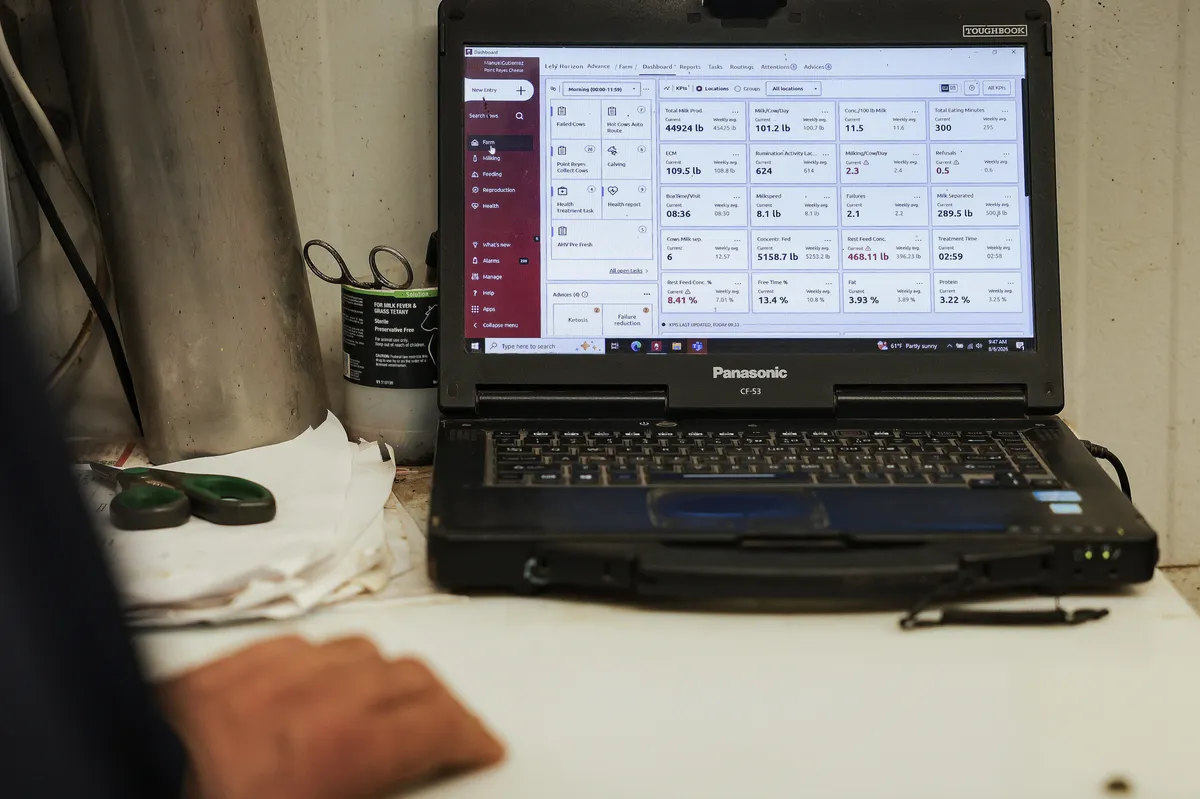
The agricultural landscape is undergoing a seismic shift as farmers increasingly turn to artificial intelligence (AI) for assistance in managing their operations. Recent findings from McKinsey & Company reveal that approximately 17% of farmers globally have integrated generative AI into their daily tasks, making it one of the fastest-growing technologies in agriculture. This adoption comes in response to years of economic strain, where rising costs and market fluctuations have forced farmers to seek innovative solutions to enhance efficiency and profitability.
As the agricultural sector recovers from a prolonged slump marked by declining margins, the emergence of AI offers a glimmer of hope. Farmers, particularly in the Americas, are embracing this technology not only as a tool for decision-making but also as a potential catalyst for a broader industry turnaround. With the use of AI, farmers can navigate the complexities of modern agriculture, from unpredictable weather patterns to labor shortages, creating a more resilient farming operation.
The Economic Climate Shaping AI Adoption
McKinsey's Global Farmer Insights 2026 report highlights the economic challenges that have shaped the current agricultural environment. Since peaking in profitability during the 2021-2022 period, farmers have faced persistent increases in costs across the board, including:
- Labor: Wages have risen due to labor shortages, making it challenging for farmers to find and retain workers.
- Land: The price of agricultural land has surged, further squeezing farmers' finances.
- Equipment: As farming becomes more mechanized, the costs associated with purchasing and maintaining equipment have escalated.
- Fertilizer: Fluctuations in the global supply chain have led to volatility in fertilizer prices, prompting many farmers to reconsider their spending.
As a result, more than a third of farmers reported cutting back on fertilizer as a primary area of spending reduction. This trend reflects the ongoing struggle to maintain profitability in an increasingly challenging market.

AI: A Game Changer for Farming Operations
The integration of AI in farming practices offers a variety of benefits that can help mitigate some of the economic pressures faced by farmers. From predictive analytics to operational efficiency, AI tools are designed to aid in critical decision-making processes. For instance, generative AI can analyze vast amounts of data to provide insights on:
Optimizing Crop Yields
AI applications can forecast weather patterns, soil conditions, and pest threats, allowing farmers to make informed decisions about planting schedules and crop management strategies. By leveraging data-driven insights, farmers can maximize their yields while minimizing resource expenditure.
Resource Management
With rising costs, efficient resource management has become paramount. AI algorithms can help farmers determine the optimal levels of water, fertilizer, and pesticides needed for their crops, reducing waste and cutting costs. This approach not only boosts profitability but also aligns with sustainable farming practices.
Labor Management
AI can streamline labor management by predicting labor needs based on seasonal demands and automating certain tasks, thus reducing the dependency on manual labor. For example, autonomous machines can handle repetitive tasks like planting and harvesting, allowing human workers to focus on more complex responsibilities.

Challenges in Technology Adoption
Despite the promising potential of AI, farmers face several hurdles in adopting this technology. The report indicates that while AI is gaining traction, other advanced technologies such as robotics and sustainability software are lagging behind in terms of penetration on farms. Some of the challenges include:
- Cost of Implementation: The initial investment required for AI tools and infrastructure can be prohibitive, particularly for small to medium-sized farms.
- Technical Expertise: Many farmers may lack the technical know-how to effectively implement and utilize AI technologies, creating a barrier to entry.
- Data Privacy Concerns: As farmers integrate AI, issues related to data privacy and security come to the forefront, raising concerns about how data will be used and protected.
Farmers must weigh these challenges against the potential benefits of AI adoption. As the industry evolves, educational resources and support systems will be essential in helping farmers navigate these obstacles.

The Road Ahead: Industry Recovery and Growth
McKinsey's report comes at a time when the agriculture sector is showing signs of recovery. A rise in commodity prices, shifts in trade flows, and a resurgence in equipment orders suggest that the industry is slowly emerging from its prolonged downturn. This cautious optimism is critical, as it reflects a potential turning point for farmers who have faced years of instability.
Moreover, the increasing use of biological crop inputs presents an encouraging trend. Over half of specialty crop farmers are now utilizing at least one biological alternative, signaling a shift toward more sustainable farming practices. This embrace of biological solutions, alongside AI technologies, can contribute to a more resilient and profitable agricultural landscape.
Key Takeaways
- 17% of farmers globally are now using generative AI in their operations.
- High costs of labor, land, and inputs are pushing farmers to adopt technology for better efficiency.
- AI can help optimize crop yields, manage resources efficiently, and streamline labor.
- Challenges such as implementation costs and technical expertise remain barriers to widespread AI adoption.
- Signs of recovery in agriculture, including rising commodity prices, are fostering cautious optimism within the industry.
Frequently Asked Questions
What types of AI applications are farmers using?
Farmers are employing a range of AI applications, including predictive analytics for crop management, resource optimization tools, and autonomous machinery. These technologies help farmers make informed decisions based on real-time data, improving efficiency and productivity in their operations.
How is AI helping to address labor shortages in agriculture?
AI is assisting in addressing labor shortages by automating repetitive tasks like planting, watering, and harvesting. This automation allows farmers to maintain productivity levels despite having fewer available workers, ultimately leading to a more sustainable operation that can adapt to fluctuating labor markets.
Are there any risks associated with AI adoption in farming?
Yes, there are several risks associated with AI adoption in farming, including data privacy concerns, potential over-reliance on technology, and the initial costs of implementing AI systems. Farmers must carefully consider these factors and seek appropriate guidance to mitigate risks while maximizing the benefits of AI.
What does the future hold for AI in agriculture?
The future of AI in agriculture looks promising, with continued advancements in technology and an increasing number of farmers recognizing its benefits. As AI tools become more accessible and user-friendly, we can expect broader adoption across the agricultural sector, leading to improved efficiency, sustainability, and profitability.
Comments
Bridging the Mental Health Communication Gap: A Guide for Benefits Brokers
Effective communication strategies for mental health benefits are essential as many employees remain unaware of their resources. This article explores how benefits brokers can enhance awareness and engagement by directly connecting with employees.

Related articles







Popular in Business Insurance
- Surging War-Risk Insurance Rates in the Strait of Hormuz: What It Means for Shipping
- Ross & Yerger Insurance Faces Class Action Over Data Breach Allegations
- Sompo Expands U.S. Workers' Compensation Portfolio with Service Insurance Acquisition
- Legal Battle Unfolds Over $1 Million Truck Crash Insurance Payout
- Howden Group's Ambitious Journey Toward IPO and Expansion