Understanding Aviation Risk: Insights from Recent Florida Crashes
Recent aviation accidents in Florida highlight critical differences in risk between commercial cargo and general aviation. Here’s what these incidents reveal about liability and safety.
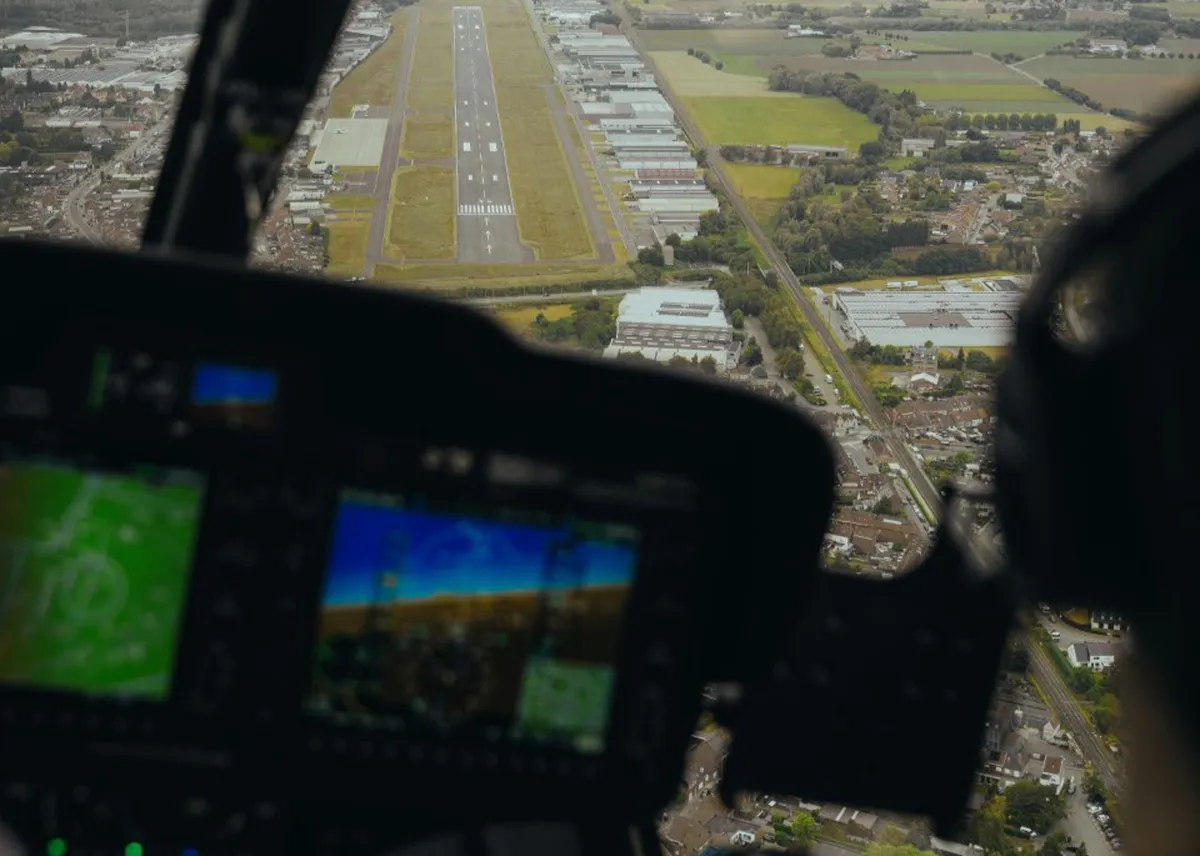
The aviation industry, often perceived as a monument to safety, has recently faced scrutiny following two tragic accidents in Florida that occurred within a mere 24 hours. On one hand, a commercial cargo airplane crash left five dead and raised complex questions regarding liability and safety regulations. On the other, a general aviation incident served as a potent reminder of the inherent risks associated with smaller aircraft operations. Together, these events underscore the multifaceted nature of aviation risk and its implications for insurers, operators, and the flying public.
On Sunday, a Boeing 767-300 cargo jet operated by 21 Air for Amazon Air overran the runway at Miami International Airport. The incident, which resulted in the deaths of five individuals on the ground and injuries to others, ignited immediate concerns over liability and regulatory compliance. The investigation into the crash must unravel a complicated web of relationships involving the aircraft's registered owner, Andromeda Leasing II LLC, and the operational responsibilities of Amazon and 21 Air. As the aviation community grapples with these questions, it becomes evident that understanding the nuances of risk management in aviation is not just for the industry insiders, but essential for anyone concerned about safety and liability.

Complexities of Commercial Aviation Liability
The Miami International Airport incident illustrates the complex nature of liability in commercial aviation. The crash's aftermath requires an examination of multiple parties involved, including the aircraft's lessor, the operational airline, and the cargo customer. The fundamental question is: who bears responsibility for the tragic outcomes?
Who is Liable?
In aviation accidents, liability can extend across various entities. In this case, the registered owner of the Boeing 767, Andromeda Leasing II LLC, is an affiliate of Atlas Air Worldwide, while 21 Air, which holds the operating certificate, employed the crew. Amazon controls the aircraft and its operations but does not possess its own air carrier certificate. This multi-party relationship complicates the claims process, as the National Transportation Safety Board (NTSB) investigates maintenance records, operational oversight, and compliance with safety regulations.
Historical Precedents and Regulatory Gaps
Historically, ground fatalities due to runway overruns are rare in the United States. The NTSB often cites the incident involving Southwest Airlines Flight 1248 in 2005 as a significant precedent, where an aircraft overran the runway and resulted in one fatality. However, the Miami crash's scale, with five fatalities, underscores the urgent need for improved safety measures.
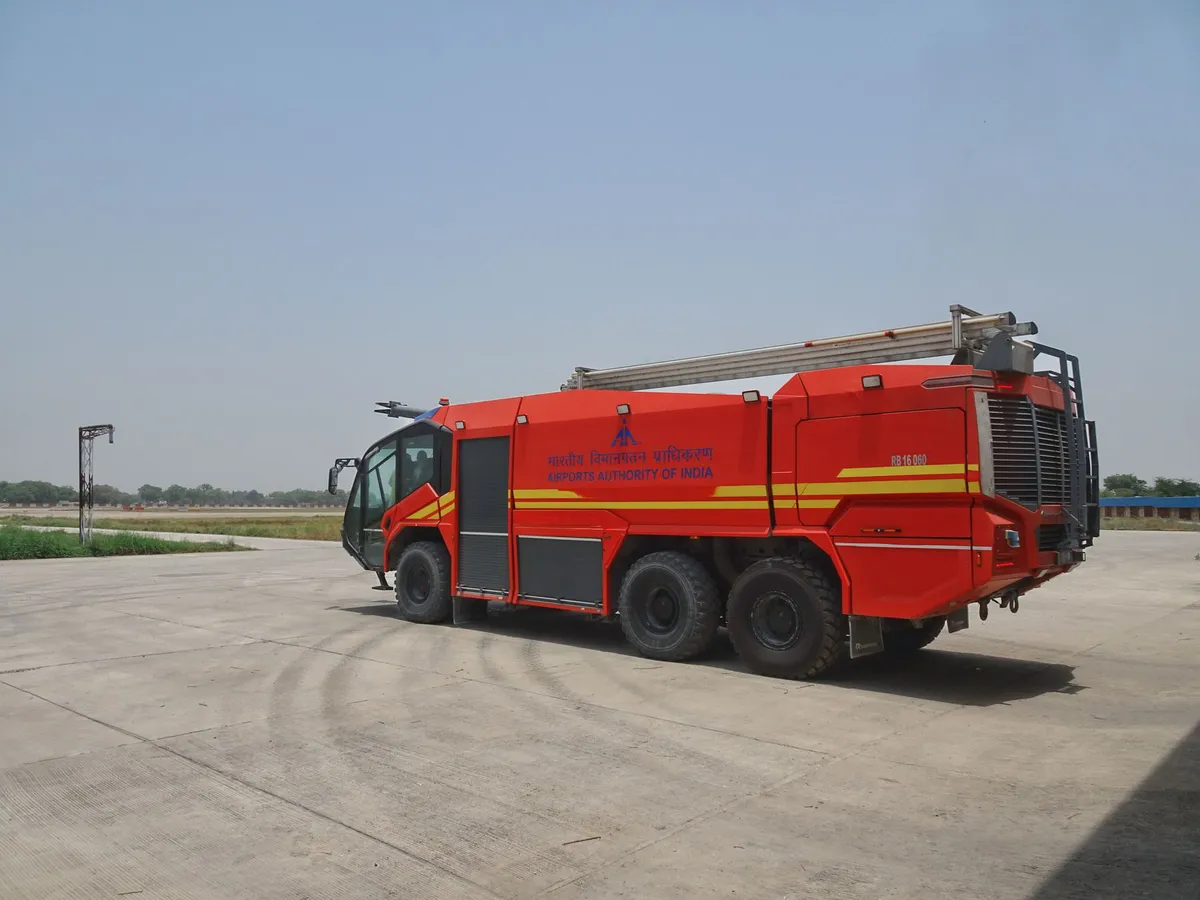
One critical aspect under scrutiny is the absence of an Engineered Materials Arresting System (EMAS) on the relevant runway. EMAS systems use crushable material to slow or stop overrunning aircraft, potentially saving lives. Miami International Airport was not obligated to install EMAS due to FAA regulations allowing for a standard 1,000-foot runway safety area. NTSB Chairwoman Jennifer Homendy emphasized the examination of EMAS as a central focus of the investigation, as it's unclear whether the system would have mitigated the severity of the incident.
The Broader Implications for Cargo Aviation
The Miami crash also raises broader questions regarding the rapid expansion of cargo aviation and its impact on insurance markets. 21 Air's fleet has surged from just a few freighters in 2021 to a current total of 21 aircraft. With an average fleet age of 28 years, the condition and maintenance of these aircraft are critical in assessing risk and liability.
Insurance Market Pressures
As cargo aviation grows, insurance underwriters are increasingly concerned about claims inflation and third-party liabilities. The aviation insurance market is already feeling the pressures of these factors, particularly as incidents like the Miami crash heighten awareness of potential risks. Insurers are tasked with evaluating not just the aircraft's age and operational history but also the financial stability of the companies involved.
General Aviation: A Different Kind of Risk
Less than 24 hours after the Miami crash, another aviation tragedy unfolded in Titusville, Florida, where a pilot died when a single-engine Mooney M20F struck a power line and crashed. This incident illustrates the ongoing risks associated with general aviation, which accounts for around 93% of US civil aviation deaths from 2015 to 2024 according to NTSB data. This stark statistic highlights the disparity between public perception of aviation safety—focused largely on commercial airlines—and the reality of general aviation risks.
Trends and Safety Measures
Single-engine aircraft incidents, such as the one in Titusville, are not uncommon and often occur near airports. The NTSB and FAA are both investigating this separate crash, further emphasizing the need for enhanced safety measures and pilot training in the general aviation sector. The frequency of these accidents raises questions about how the aviation insurance market prices risk, particularly as general aviation continues to evolve.

Key Takeaways
- Complex Liability Structures: Multiple parties often share liability in aviation accidents, complicating claims processes.
- Regulatory Compliance: The absence of safety systems like EMAS raises important questions about airport safety regulations.
- Growth in Cargo Aviation: The rapid expansion of cargo airlines introduces new risks that insurers must navigate.
- General Aviation Risks: General aviation remains a significant contributor to aviation fatalities in the U.S.
- Insurance Market Insights: Claims inflation and liability concerns are pressing issues for the aviation insurance market.
Frequently Asked Questions
What are the primary causes of aviation accidents?
Aviation accidents can result from a variety of factors, including human error, mechanical failure, and environmental conditions. In commercial aviation, rigorous maintenance and operational procedures aim to mitigate these risks, while general aviation often faces different challenges such as pilot experience and aircraft maintenance. Each incident is unique and typically involves thorough investigations by organizations like the NTSB.
How does liability work in aviation accidents?
Liability in aviation accidents is complex and can involve multiple parties, including the aircraft owner, operator, maintenance providers, and even manufacturers. Determining liability often requires a detailed examination of the relationships between these parties and the circumstances leading to the accident. Legal frameworks and insurance policies play significant roles in how claims are processed and compensated.
What are EMAS systems and why are they important?
Engineered Materials Arresting Systems (EMAS) are designed to prevent aircraft from overrunning runways by using crushable materials that absorb energy and slow down the aircraft. These systems are particularly important at airports where space is limited, as they can save lives and reduce damage in the event of a runway overrun. The absence of such systems can raise serious safety concerns, as seen in the Miami crash.
How does general aviation differ from commercial aviation?
General aviation encompasses all civil aviation operations other than scheduled commercial airlines, including private flying, flight training, and agricultural aviation. It is characterized by a diverse range of aircraft and operational practices, often with less stringent regulatory oversight compared to commercial airlines. As a result, general aviation has a higher accident rate and contributes significantly to aviation-related fatalities.
Comments
Bridging the Mental Health Communication Gap: A Guide for Benefits Brokers
Effective communication strategies for mental health benefits are essential as many employees remain unaware of their resources. This article explores how benefits brokers can enhance awareness and engagement by directly connecting with employees.

Related articles







Popular in Business Insurance
- Surging War-Risk Insurance Rates in the Strait of Hormuz: What It Means for Shipping
- Ross & Yerger Insurance Faces Class Action Over Data Breach Allegations
- Sompo Expands U.S. Workers' Compensation Portfolio with Service Insurance Acquisition
- Legal Battle Unfolds Over $1 Million Truck Crash Insurance Payout
- Howden Group's Ambitious Journey Toward IPO and Expansion