The Looming Impact of a Record-Breaking El Niño on Global Weather Patterns
As a powerful El Niño approaches record strength, its implications for global weather are significant. This phenomenon could disrupt weather patterns, affecting agriculture, economies, and insurance sectors worldwide.
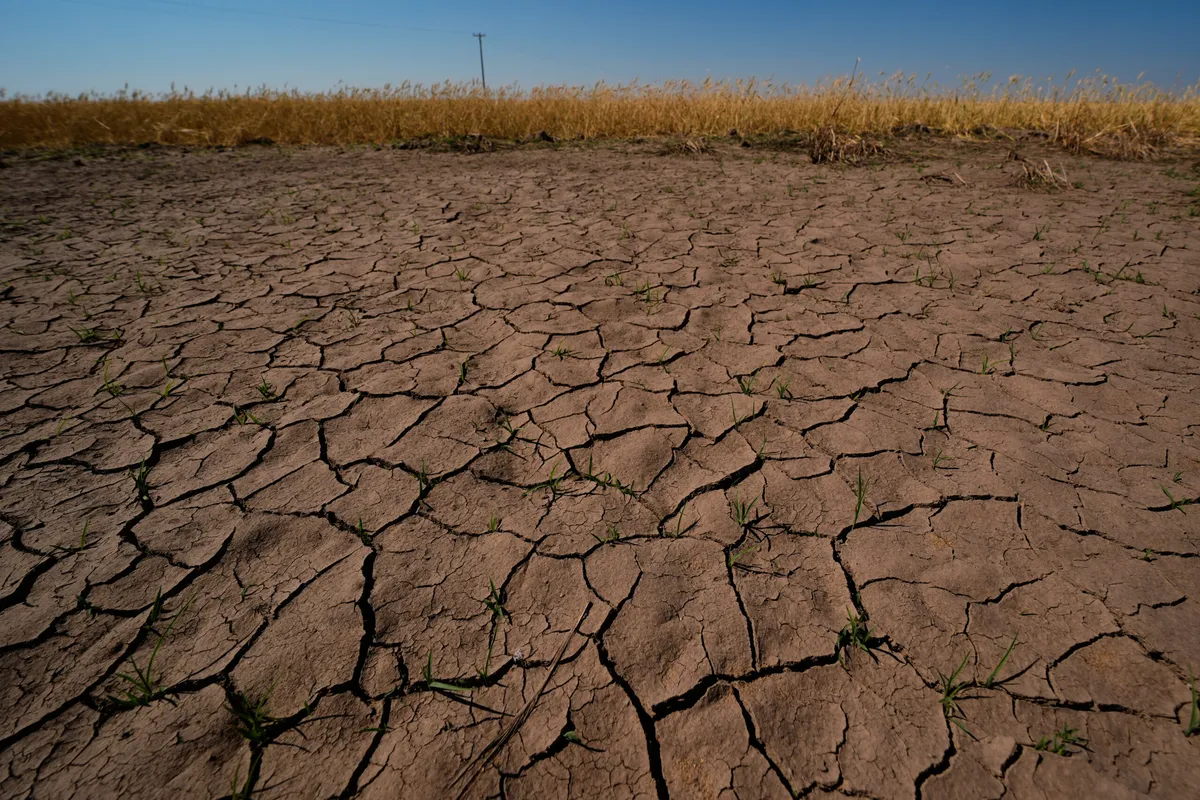
The United States Climate Prediction Center has issued a stark warning: a powerful El Niño is nearing historic strength, with a 75% chance of breaking records that date back to 1950. This climate phenomenon, which has been in play since June, is not just a seasonal weather pattern; it is a force that can dramatically reshape global weather systems, impacting everything from agriculture to insurance markets. As El Niño continues to intensify, its potential consequences could resonate for years to come.
El Niño is characterized by the warming of sea-surface temperatures in the central and eastern tropical Pacific Ocean. The current El Niño event has already begun to manifest its effects, leading to worsening drought conditions in Central America, which have slowed traffic through the Panama Canal. This disruption, coupled with a surge in wildfires in Indonesia, is causing palm oil prices to spike, adding further strain to an already stressed global supply chain. With inflationary pressures exacerbated by ongoing geopolitical tensions, particularly the war in Iran, the ramifications of this El Niño could be far-reaching.
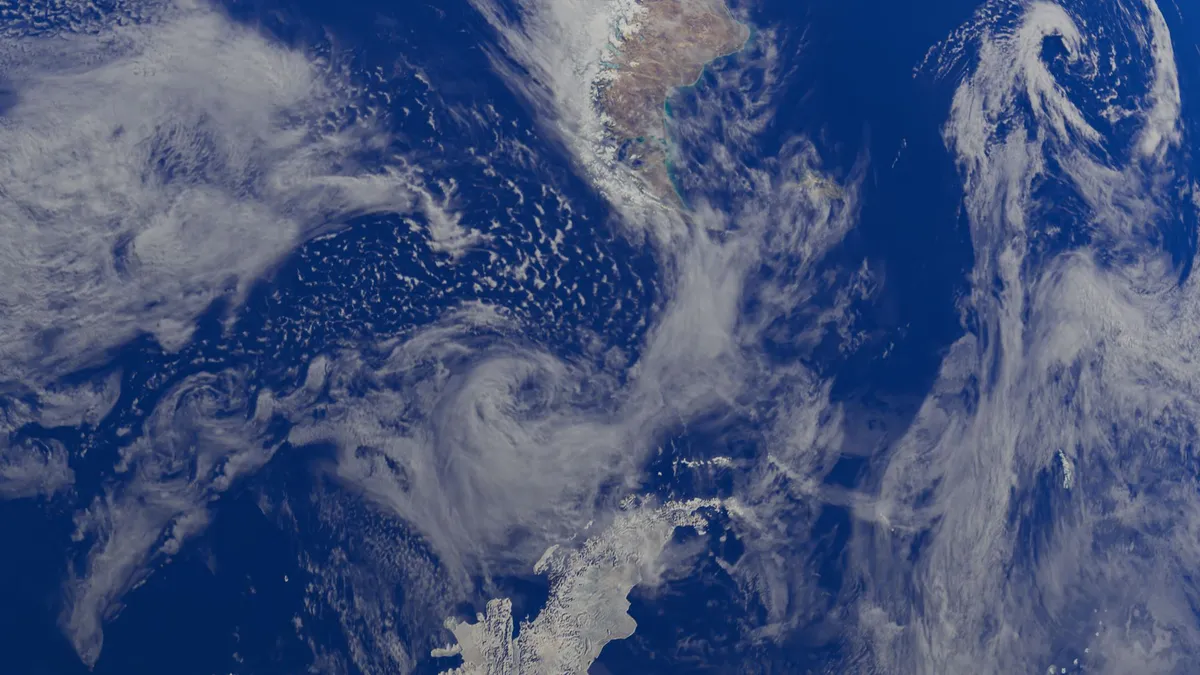
Understanding El Niño: A Brief Overview
El Niño is part of the larger El Niño-Southern Oscillation (ENSO) cycle, which includes its counterpart, La Niña, characterized by cooler sea-surface temperatures. The phenomenon significantly influences global weather patterns, leading to various impacts depending on its intensity. Key effects include:
- Droughts: Often seen in regions such as Central America and Australia.
- Flooding: California and other parts of the U.S. may experience heavy rain and flooding.
- Temperature Extremes: Countries like India may face severe heatwaves.
- Storm Patterns: An increase in Pacific storms, while suppressing Atlantic hurricane activity.
The current El Niño has already raised sea-surface temperatures by 1.8°C (3.24°F) above normal in key areas. Forecasters suggest that temperatures could exceed 2.5°C, surpassing the previous record set during the 1982-83 El Niño, which saw temperatures rise to 2.4°C above normal.
The Economic Repercussions of a Strengthening El Niño
The implications of a strong El Niño extend beyond agricultural impacts; they reverberate throughout the global economy. Disruptions in weather patterns can lead to:
Supply Chain Disruptions
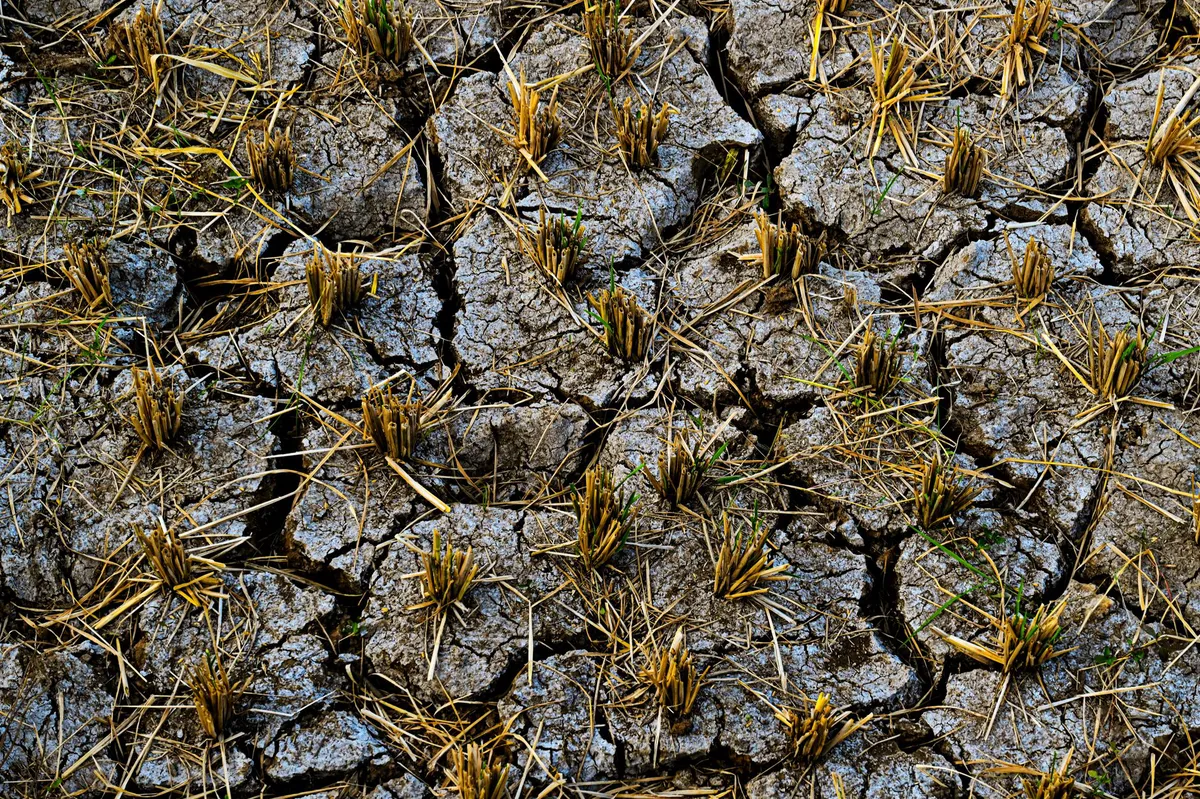
With Central America facing severe drought, the Panama Canal, a crucial artery for global trade, is already experiencing slower traffic. As a result, shipments of essential goods are delayed, causing ripple effects across various industries, notably agriculture and manufacturing. Increased shipping times can lead to higher costs, which businesses may pass on to consumers, thereby fueling inflation.
Rising Commodity Prices
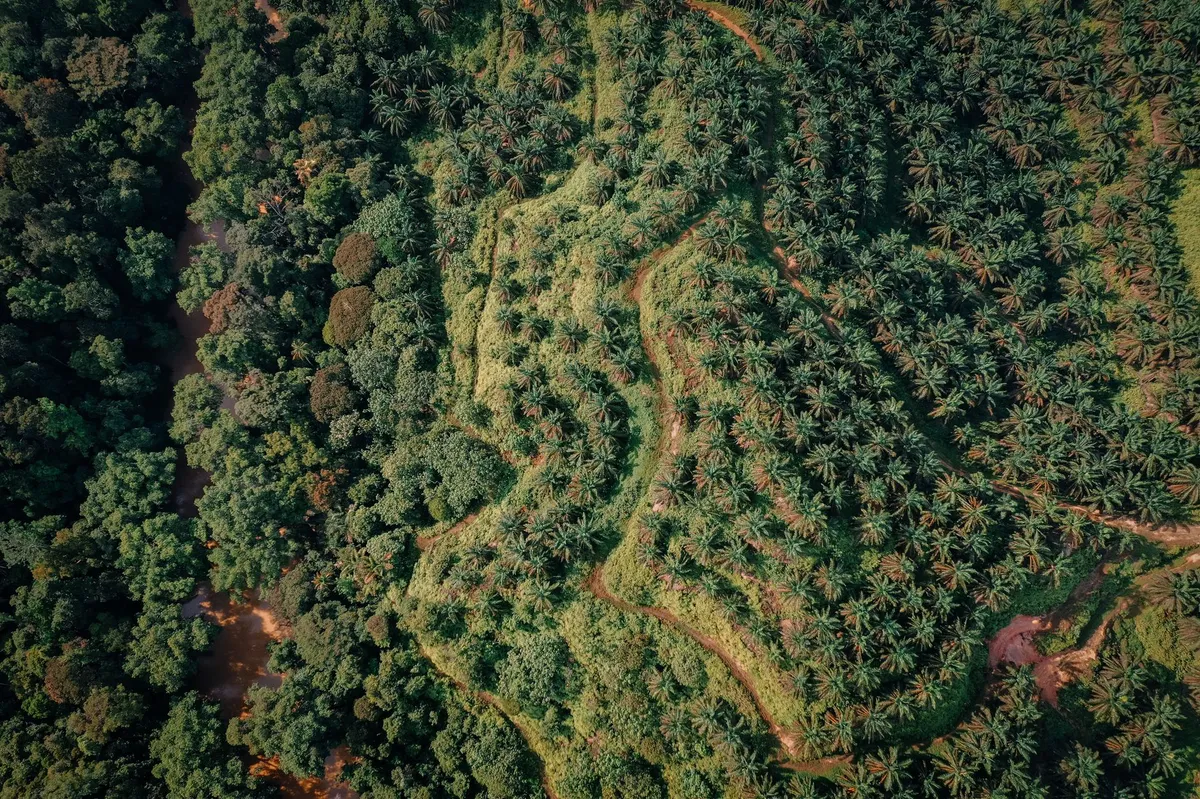
El Niño's influence on agricultural yields can also lead to fluctuations in commodity prices. For example, the recent wildfires in Indonesia have caused palm oil prices to surge. As a staple in various food products and cosmetics, increased prices can lead to higher consumer costs globally.
Environmental and Social Consequences
The environmental impacts of a strengthening El Niño are profound. The current phenomenon is expected to bring:
Extreme Weather Events
The winter of 2026 is projected to bring increased flooding risks to California, exacerbating existing challenges faced by communities recovering from past disasters. Flooding can lead to significant property damage, prompting increased claims in the insurance sector.
Impact on Agriculture
Regions reliant on stable weather patterns for crop production may face challenges. For instance, drought in parts of Australia could severely impact wheat and other crop yields, leading to food shortages and increased prices. Farmers may find it difficult to secure adequate insurance coverage or face higher premiums due to increased risk assessments.
Insurance Considerations Amidst Climate Change
The insurance industry must adapt to the changing landscape brought about by El Niño and other climate-related phenomena. Key considerations include:
Understanding Risk
Insurance providers are being compelled to reassess their risk models in light of changing weather patterns. Insurers may need to increase premiums or adjust coverage options for properties in high-risk areas, such as those prone to flooding.
Claims Processes
As weather-related events become more frequent and severe, insurance claims related to property damage, crop failures, and business interruptions are likely to rise. Insurers will need to streamline claims processes to efficiently handle the influx of claims.
Policy Adjustments
As climate risks become more pronounced, consumers may need to review their insurance policies. Homeowners, business owners, and farmers should consider enhancing their coverage to protect against potential El Niño-related damages.
Key Takeaways
- El Niño is nearing record strength, with a 75% chance of surpassing previous records.
- Global weather patterns will be disrupted, leading to droughts, floods, and extreme temperatures.
- Economic implications include rising commodity prices and supply chain disruptions.
- The insurance industry must adapt to changing risk assessments and streamline claims processes.
Frequently Asked Questions
What exactly is El Niño, and how does it affect weather patterns?
El Niño is a climate phenomenon characterized by the warming of sea-surface temperatures in the central and eastern tropical Pacific Ocean. This warming alters atmospheric circulation patterns, leading to significant weather changes across the globe. Its effects can include droughts in some regions, while causing excessive rainfall and flooding in others.
How can businesses prepare for the effects of El Niño?
Businesses should assess their risk exposure by reviewing their insurance policies and considering enhancements that may cover potential El Niño-related damages. Additionally, they should develop contingency plans to mitigate the impact of supply chain disruptions and prepare for possible operational changes due to extreme weather conditions.
What should consumers know about their insurance coverage during extreme weather events?
Consumers should ensure they have adequate coverage for their homes and businesses, particularly if they reside in areas prone to flooding or extreme weather. It’s essential to review policies annually and consult with insurance agents to understand coverage limits and exclusions related to natural disasters.
How does El Niño impact agricultural production?
El Niño can significantly affect agricultural production by altering rainfall patterns and temperature extremes. Regions that typically rely on stable weather for crop production may experience droughts or floods, which can lead to reduced yields and increased prices for consumers.
Comments
Private Equity's Influence on Insurance Broker Dynamics: A Closer Look
Recent leadership changes at Third Wave Insurance highlight the growing influence of private equity in the insurance brokerage sector. As seasoned executives transition into key roles, the implications for mergers and acquisitions in the industry are significant.

Related articles







Popular in Business Insurance
- Surging War-Risk Insurance Rates in the Strait of Hormuz: What It Means for Shipping
- Ross & Yerger Insurance Faces Class Action Over Data Breach Allegations
- Sompo Expands U.S. Workers' Compensation Portfolio with Service Insurance Acquisition
- Legal Battle Unfolds Over $1 Million Truck Crash Insurance Payout
- Howden Group's Ambitious Journey Toward IPO and Expansion