Reflecting on 25 Years of Insurance Evolution Post-9/11
As we mark the 25th anniversary of 9/11, we explore its profound impact on the insurance industry, the creation of TRIA, and what lies ahead for terrorism coverage.
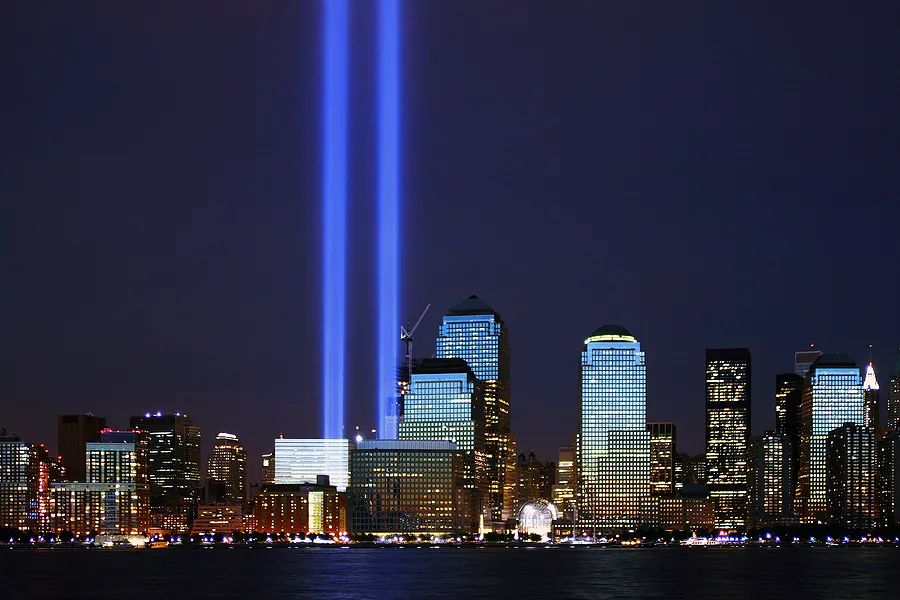
September 11, 2001, remains etched in the minds of Americans as one of the most tragic days in U.S. history, claiming nearly 3,000 lives and leaving a deep scar on the nation's psyche. However, the aftermath of these terrorist attacks reached far beyond the immediate human toll, fundamentally reshaping the insurance landscape in ways that are still felt today. In the years following the attacks, the insurance industry faced an unprecedented challenge, with insured losses estimated at around $60 billion in today's dollars. This pivotal moment catalyzed a transformation in risk assessment and policy structuring, requiring a comprehensive reevaluation of how insurers addressed terrorism risk.
The immediate fallout saw many insurance companies petitioning state regulators to exclude terrorism coverage from standard property and casualty policies, a significant shift from prior practices. By early 2002, a majority of states had approved these requests, leaving many businesses vulnerable and raising concerns about the overall economy's stability. In response, the federal government enacted the Terrorism Risk Insurance Act (TRIA) in late 2002, establishing a federal backstop to ensure that terrorism risk could still be insured, thus allowing the economy to recover and rebuild.

The Birth of TRIA: A Safety Net for Insurers
The Terrorism Risk Insurance Act, passed in November 2002, was a landmark piece of legislation designed to address the insurance market's fears in the wake of 9/11. This act requires insurers to offer terrorism coverage while providing a government backstop for catastrophic losses. If losses from a certified act of terrorism exceed $5 million, the federal government steps in to cover a portion of the losses after a 20% deductible for each insurer. This mechanism not only reassured insurers but also allowed for continued investment in high-risk areas across the U.S., fostering a sense of economic stability.
How TRIA Works
TRIA's framework is crucial for understanding the ongoing evolution of terrorism coverage in the U.S. Here are the key components:
- Threshold for Activation: A terrorist event must exceed $5 million in insured losses to trigger TRIA.
- Industry Losses: Total losses across the industry must exceed $200 million for the government to intervene.
- Government Support: After deductibles, the federal government covers 85% of losses above the deductible.
- Reauthorization: TRIA must be periodically reauthorized by Congress, leading to adjustments based on the evolving risk landscape.

Lessons Learned: The Ongoing Impact of 9/11
As we reflect on the 25 years since the attacks, industry experts emphasize the lessons learned regarding preparedness and resilience. Loretta Worters, vice president of media relations at the Insurance Information Institute, notes that 9/11 revealed the limits of the private insurance market in addressing extreme risk events. The scale of potential losses from terrorism prompted a reevaluation of risk management practices across the industry.
The Shift in Risk Perception
The insurance sector now contemplates an array of complex and interconnected risks, including the rising threat of cyberattacks, which could lead to significant economic disruptions. This evolution in understanding is crucial for crafting policies that adequately address modern threats while ensuring economic stability. Worters highlights the importance of having mechanisms in place before a catastrophe strikes, reinforcing the need for proactive measures in risk management.

The Future of Terrorism Coverage
In the present day, the insurance industry continues to advocate for the reauthorization of TRIA, which has been extended several times since its inception. The most recent renewal occurred at the end of 2019, but the act is set to expire on December 31, 2027. There is significant momentum for its extension, as evidenced by the recent passage of the TRIA Program Reauthorization Act of 2026 (HR 7128) by the House of Representatives. This legislation seeks to extend the public-private partnership through 2034, demonstrating bipartisan support for the program.
Details of the Proposed Legislation
HR 7128 includes notable adjustments, such as increasing the threshold for federal assistance to $10 million by 2029. This change reflects an evolving understanding of the terrorism risk landscape, as well as the necessity for insurers to remain viable in an unpredictable world. The insurance community is hopeful that the Senate will pass the bill and that it will soon reach the president’s desk.
Key Takeaways
- **9/11 caused approximately $60 billion in insured losses**, prompting significant changes in the insurance industry.
- The **Terrorism Risk Insurance Act (TRIA)** serves as a federal backstop for terrorism risk, requiring insurers to offer coverage while providing government support in the event of large-scale terrorist attacks.
- As of now, **TRIA is set to expire on December 31, 2027**, and efforts are underway for its reauthorization and adjustments.
- The insurance industry is increasingly focusing on **complex and interconnected risks**, including the potential impact of cyberattacks.
- Preparedness and resilience are vital lessons from 9/11 that continue to shape the insurance landscape today.
Frequently Asked Questions
What is TRIA, and why is it important?
The Terrorism Risk Insurance Act (TRIA) is a federal law enacted in 2002 to provide a safety net for insurers against catastrophic losses from terrorist attacks. It is essential because it ensures that terrorism risk can be insured, promoting economic stability and recovery in the aftermath of terrorist events. By requiring insurers to offer coverage, TRIA allows businesses to secure necessary insurance, facilitating investment in high-risk areas.
How does TRIA protect insurers from losses?
TRIA protects insurers by establishing a framework where the federal government reimburses a significant portion of losses incurred after a terrorist attack, following a deductible. For instance, if an attack results in more than $5 million in losses, and the total industry losses exceed $200 million, the government begins to cover 85% of the losses above the deductible. This arrangement alleviates the financial burden on insurers and encourages them to provide terrorism coverage.
How has the perception of terrorism risk evolved since 9/11?
Since 9/11, the perception of terrorism risk has evolved significantly. Initially, insurers focused primarily on physical attacks, but there is now a growing recognition of various interconnected risks, including cyber threats. The complexity of modern threats necessitates that insurers employ more sophisticated risk management strategies to address potential losses, reflecting a broader understanding of the potential for widespread economic disruption.
What should businesses know about terrorism insurance today?
Businesses should be aware that while TRIA mandates that insurers provide terrorism coverage, the specifics of policies can vary. It is crucial for business owners to review their insurance policies carefully, ensuring that they understand the coverage limits, deductibles, and any exclusions that may apply. Additionally, as the threat landscape changes, businesses should consider engaging in risk assessments to determine their exposure and the adequacy of their terrorism insurance.
Comments
Private Equity's Influence on Insurance Broker Dynamics: A Closer Look
Recent leadership changes at Third Wave Insurance highlight the growing influence of private equity in the insurance brokerage sector. As seasoned executives transition into key roles, the implications for mergers and acquisitions in the industry are significant.
Related articles







Popular in Business Insurance
- Surging War-Risk Insurance Rates in the Strait of Hormuz: What It Means for Shipping
- Ross & Yerger Insurance Faces Class Action Over Data Breach Allegations
- Sompo Expands U.S. Workers' Compensation Portfolio with Service Insurance Acquisition
- Legal Battle Unfolds Over $1 Million Truck Crash Insurance Payout
- Howden Group's Ambitious Journey Toward IPO and Expansion