Volkswagen's Strategy to Reinvent Itself in the U.S. Market
Volkswagen is pivoting to rugged SUVs and pickups to revitalize its U.S. sales, eyeing a significant shift in strategy to cater to American preferences.
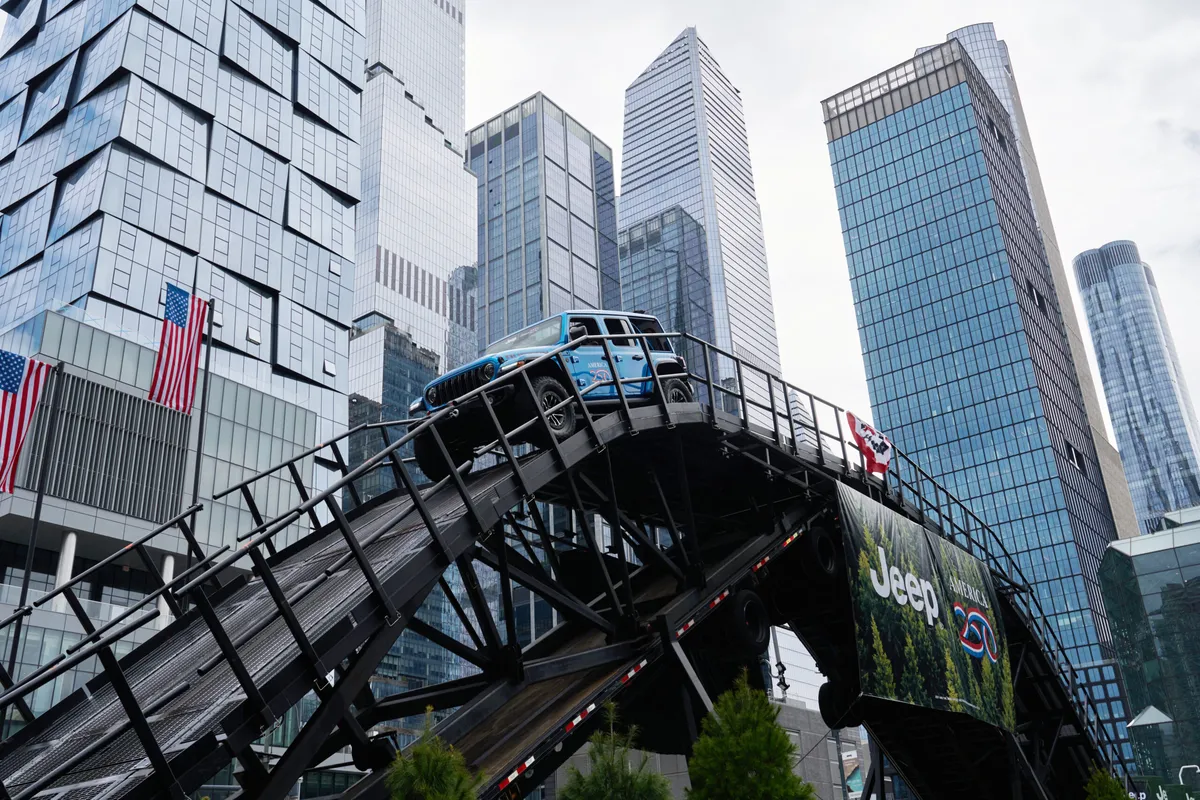
In a bold strategic pivot, Volkswagen AG is setting its sights on rugged SUVs and pickups to rejuvenate its struggling U.S. business. Chief Executive Officer Oliver Blume has identified a gap in the company’s lineup, particularly in body-on-frame vehicles, which are fundamental for American consumers who favor robust trucks and off-road capable SUVs. This shift comes not just as a response to declining sales in the U.S. but also as a part of a larger strategy to mitigate the impact of a deteriorating market in China, where VW has faced mounting challenges.
The U.S. automotive landscape is dominated by a few key players, particularly in the truck segment where models like the Ford F-150 and the Jeep Wrangler reign supreme. With VW currently holding only about 4% of the U.S. market share, the stakes are high. Blume's vision includes introducing new models under both the Volkswagen and Audi brands, specifically designed to meet the demands of American buyers.
Understanding the U.S. Market Dynamics
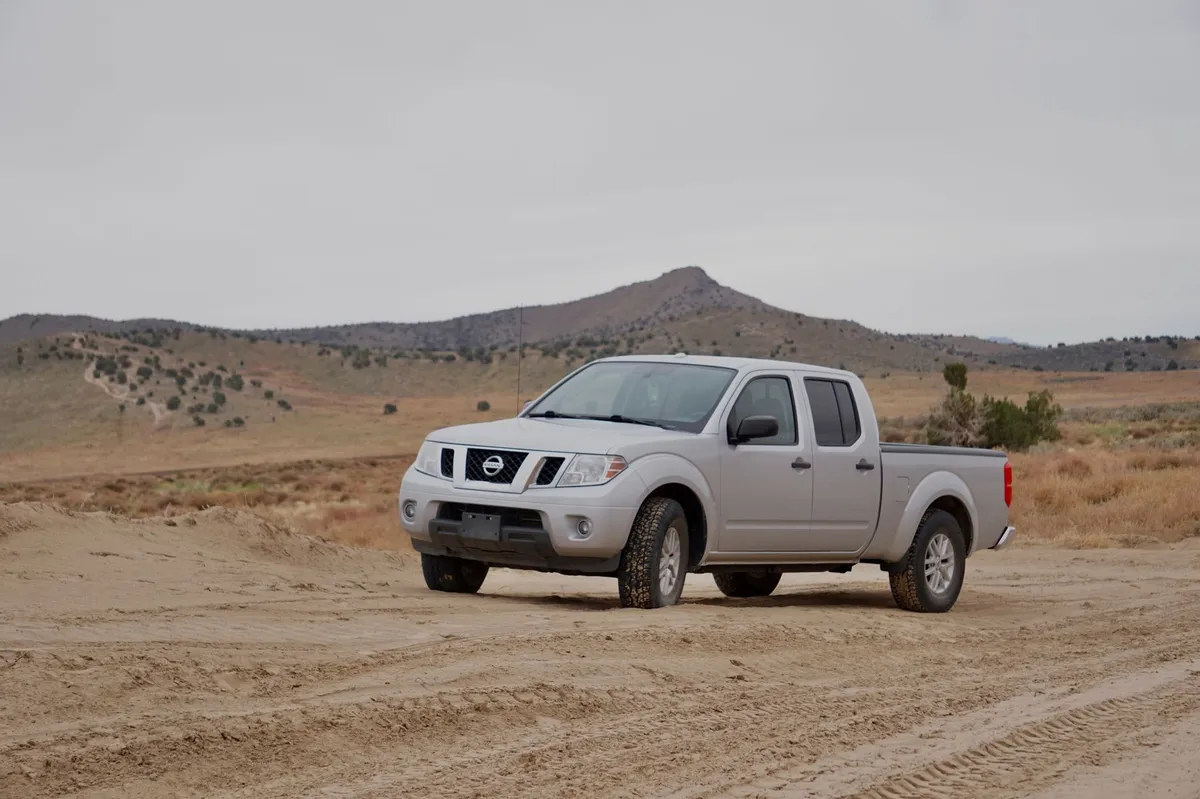
The U.S. automotive market is unique, characterized by a strong preference for body-on-frame vehicles that offer durability, towing capacity, and off-road capability. These vehicles are built on a robust ladder frame chassis, making them ideal for serious off-road enthusiasts and utility-focused consumers. Brands like Ford, General Motors, and Toyota have established formidable positions in this segment, making it challenging for newcomers like Volkswagen to penetrate the market.
Volkswagen's recent sales figures highlight the urgency of this strategic pivot. In the first half of the year, Audi's sales in the U.S. plummeted by 17%, while overall consumer interest in traditional sedans and smaller SUVs appears to be waning. As consumer preferences shift toward larger vehicles that offer more space and versatility, VW's reliance on lower-margin imports—like the Jetta sedan and Taos compact SUV—has become increasingly untenable.
New Models: The Road Ahead
Blume's comments during a recent investors' meeting underscored the potential for growth in the rugged SUV and pickup segments. He indicated that the company would focus on developing new models that leverage the construction techniques found in the Amarok pickup, which is already well-regarded in other markets. While the specifics of the new models remain under wraps, the intention is clear: VW aims to create vehicles that resonate with the American consumer.
Potential Models and Features
- Pickup Trucks: A body-on-frame pickup that can compete with the Ford F-150 and Ram 1500.
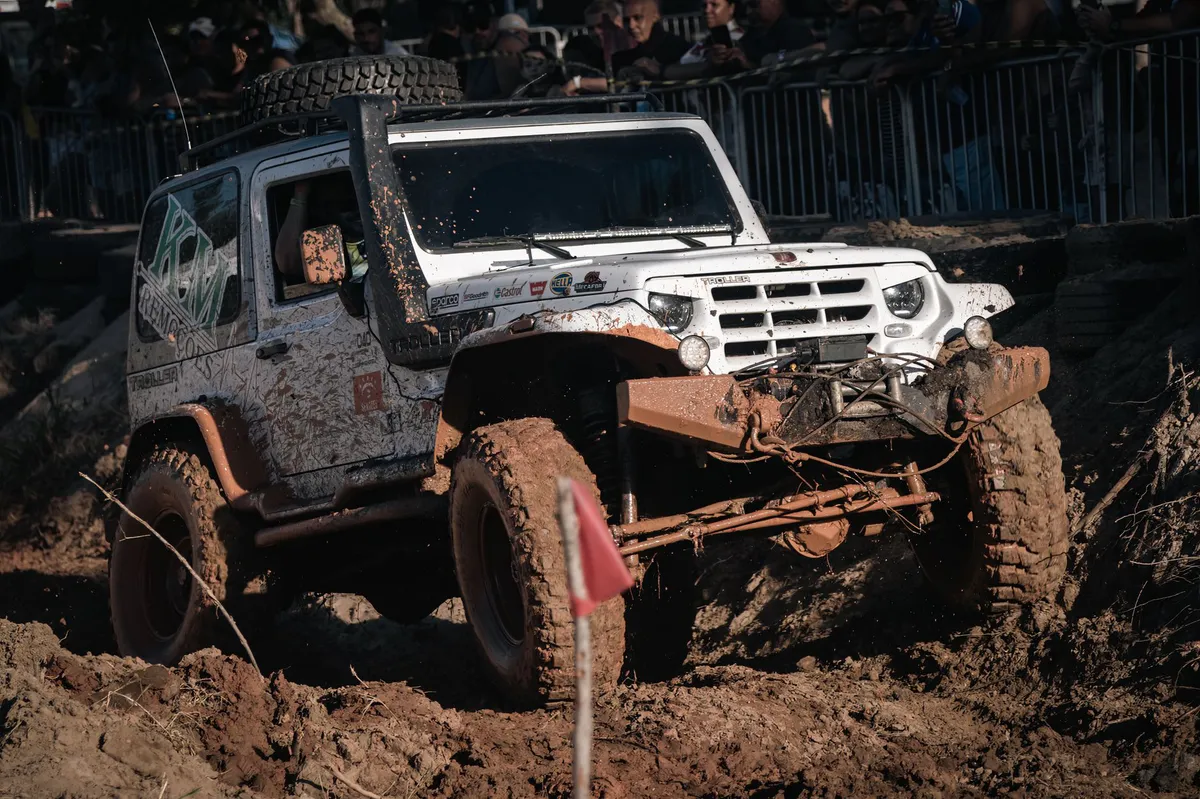
- Rugged SUVs: Models designed for off-road capabilities, akin to the Jeep Wrangler and Toyota 4Runner.
- Electrification: Incorporating electric powertrains into these models, aligning with global EV trends.
Manufacturing and Tariff Considerations
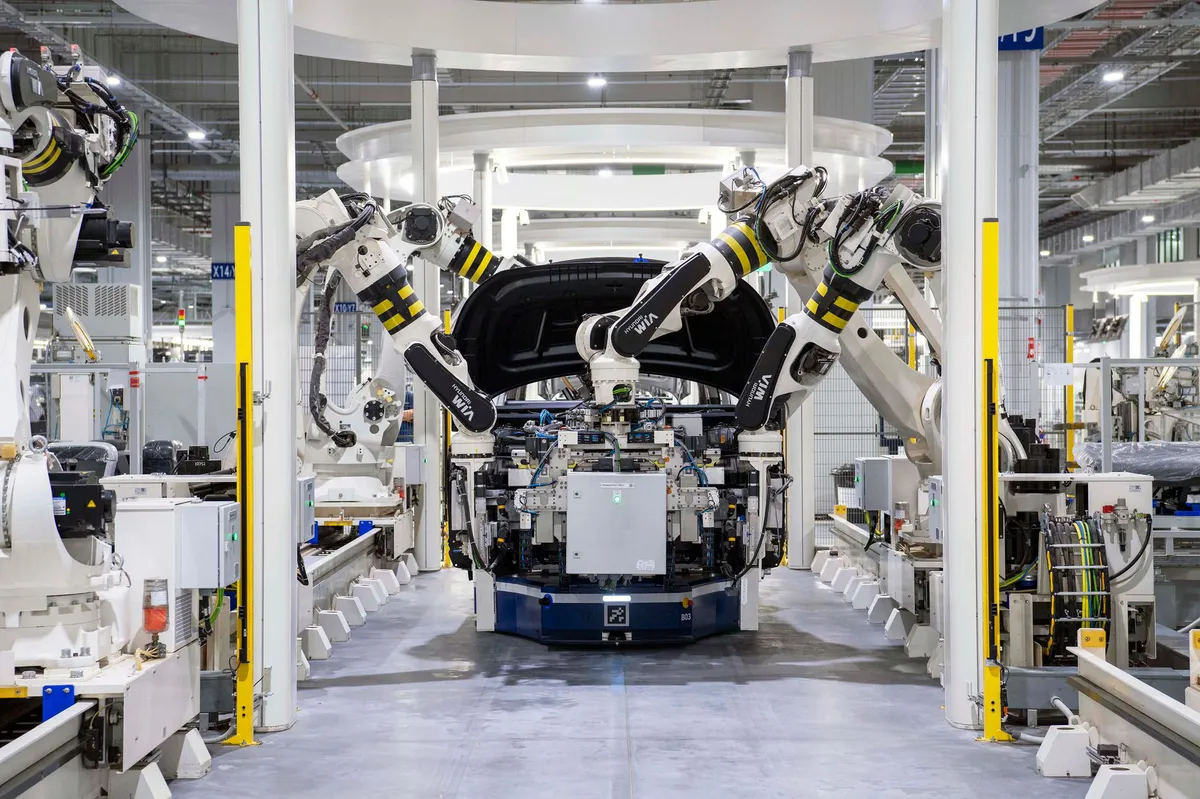
One of the critical aspects of VW's strategy involves shifting production to the U.S. This move is not just about creating jobs but also about navigating the complicated landscape of tariffs that currently impact imported vehicles. The U.S. imposes a hefty 25% tariff on many imported light trucks—a burden that VW aims to avoid by manufacturing locally.
By establishing a manufacturing base in South Carolina for its new Scout Motors brand, VW is positioning itself to produce vehicles that can circumvent these tariffs, thus enhancing its competitive edge. Scout is already developing two body-on-frame models: the Terra pickup and the Traveler SUV, which are set to launch in 2028. This strategic locale could allow Volkswagen to share technology and production capabilities between its brands in the future.
Challenges Ahead: Consumer Loyalty and Market Competition
While Volkswagen's ambitious plans hold promise, success in the truck and SUV segments is far from guaranteed. Pickup buyers tend to be fiercely loyal, often sticking with established brands that have a long history of performance and reliability in these categories. Furthermore, the competition is intense, with automakers like Ford and General Motors dominating the landscape.
Additionally, with many consumers gravitating toward smaller, more fuel-efficient SUVs—like the Toyota RAV4 and Honda CR-V—VW must also navigate the evolving consumer landscape. As preferences shift, it will be essential for Volkswagen to balance its offerings between rugged, body-on-frame vehicles and more versatile, fuel-efficient options.
Key Takeaways
- Volkswagen is targeting the rugged SUV and pickup market to boost its U.S. sales.
- New models will be produced in the U.S. to avoid import tariffs and improve margins.
- Consumer loyalty in the pickup segment presents a significant challenge for VW.
- The company is leveraging its Scout Motors brand to establish a new manufacturing base.
- VW aims to balance rugged vehicles with more fuel-efficient options to meet diverse consumer needs.
Frequently Asked Questions
What specific models is Volkswagen planning to introduce in the U.S.?
While Volkswagen has not disclosed specific model names, CEO Oliver Blume mentioned that the company is considering body-on-frame vehicles that would compete with existing American trucks and SUVs. These models are expected to cater to the preferences of American consumers, particularly in the rugged vehicle segment.
How will local manufacturing impact the pricing of VW vehicles?
By manufacturing in the U.S., Volkswagen aims to reduce its costs associated with tariffs on imported light trucks. This local production is expected to enhance the company's ability to offer competitive pricing on its new SUVs and pickups, which could attract a broader consumer base and potentially improve profit margins.
What are the risks associated with this strategy?
The primary risks include the entrenched loyalty of American pickup buyers, who often favor brands with a strong track record in the segment. Additionally, the market for rugged vehicles is highly competitive, and VW will need to effectively differentiate its offerings to capture consumer interest in a crowded marketplace.
When can we expect to see these new VW models on the market?
While specific launch dates have not been announced, the development of new models is underway, with production expected to ramp up as VW establishes its new manufacturing facility. The Scout Motors brand is set to begin sales in 2028, and it is anticipated that VW's new offerings will follow closely behind as the company aligns its strategy with the evolving U.S. market.
Comments
Private Equity's Influence on Insurance Broker Dynamics: A Closer Look
Recent leadership changes at Third Wave Insurance highlight the growing influence of private equity in the insurance brokerage sector. As seasoned executives transition into key roles, the implications for mergers and acquisitions in the industry are significant.
Related articles







Popular in Business Insurance
- Surging War-Risk Insurance Rates in the Strait of Hormuz: What It Means for Shipping
- Ross & Yerger Insurance Faces Class Action Over Data Breach Allegations
- Sompo Expands U.S. Workers' Compensation Portfolio with Service Insurance Acquisition
- Legal Battle Unfolds Over $1 Million Truck Crash Insurance Payout
- Howden Group's Ambitious Journey Toward IPO and Expansion