Court Revives Tubing Injury Case: A Deep Dive into Liability and Risk
A recent court ruling has reignited a serious injury claim against a Wisconsin resort following a tubing accident. This case raises significant questions about liability, safety standards, and the responsibilities of recreational facilities.
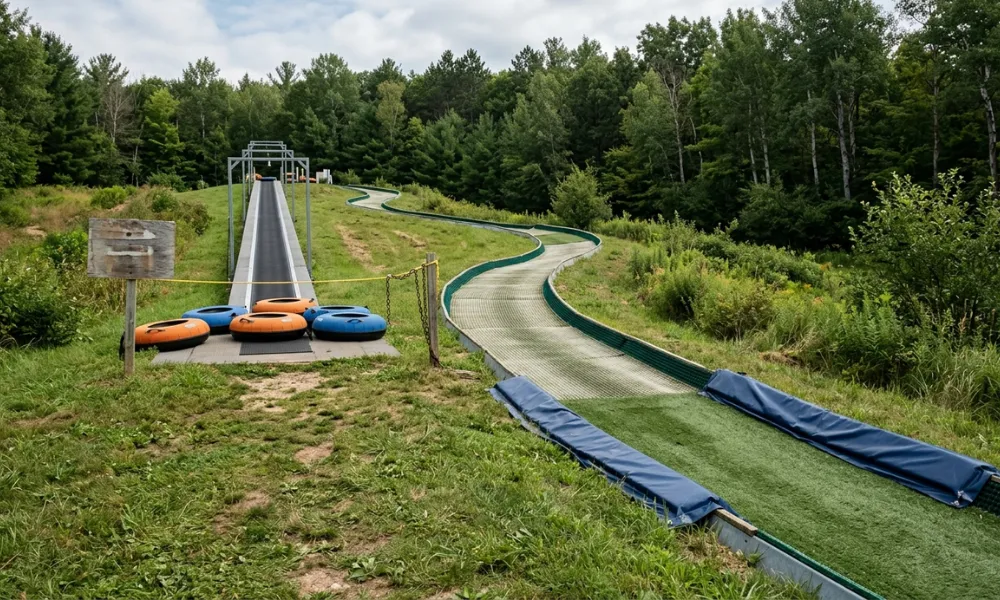
In a significant turn of events, a federal appeals court has revived a lawsuit against a Wisconsin resort, Mont du Lac Snowsports, following a serious injury sustained by a tubing rider. The US Court of Appeals for the Seventh Circuit ruled that a jury should evaluate whether the resort acted recklessly when a pass-holder was severely injured on a closed tubing slide. This case, which stems from an incident in June 2022, underscores critical issues surrounding liability in recreational activities, the safety measures that facilities are required to uphold, and the legal standards governing negligence and recklessness.
The injured party, along with two friends, visited Mont du Lac primarily to play disc golf. However, they decided to try the resort's tubing slides, unaware of the inherent dangers posed by a lack of proper safety protocols. In a surprising twist, the resort's front-desk manager provided ambiguous feedback when asked about the status of the closed slides, leading to disastrous consequences. The case highlights the blurred lines between personal accountability and the responsibilities of property owners to ensure safety.
Understanding the Incident
The events leading to the injury are critical to understanding the legal ramifications. The group arrived at Mont du Lac on a summer day in June, excited to explore the resort's offerings. However, the tubing slides were closed for safety reasons, a fact that was not communicated effectively to the guests. The situation escalated when the front desk manager, when questioned about the slides, simply stated, "I'm not going to say anything." This ambiguous statement left the group unclear about their permission to use the slides.
As the friends proceeded, they encountered a scene that appeared deceptively benign: a “Ride Closed” sign positioned awkwardly, deflated bumpers that served as protective barriers, and a conveyor belt that was not operational. The men took this lack of clear communication and safety measures as tacit approval to use the slides, which ultimately led to a catastrophic accident for one of them. The rider's tube slipped off the slide, resulting in severe injuries, including a broken spine, ribs, and hip. This incident raises alarms about the responsibilities of recreational facilities in clearly communicating safety protocols.
The Legal Landscape of Liability
The legal framework surrounding this case is multifaceted, involving local laws and interpretations of negligence. Under Wisconsin law, property owners owe a duty of care to their guests, but this duty can shift dramatically when it comes to trespassers. In this case, the district court initially ruled that the rider was a trespasser since he did not have explicit permission to use the closed slides. The law in Wisconsin dictates that property owners are only liable for injuries to trespassers if they have engaged in
Comments
Alliant Insurance Expands PEO Advisory Services in Florida's Booming Market
Alliant Insurance Services is enhancing its presence in Florida's vibrant Professional Employer Organization (PEO) market. With Mary Hayes joining as assistant vice president, the firm aims to assist businesses in navigating HR complexities and optimizing employee benefits.

Related articles







Popular in Business Insurance
- Surging War-Risk Insurance Rates in the Strait of Hormuz: What It Means for Shipping
- Ross & Yerger Insurance Faces Class Action Over Data Breach Allegations
- Sompo Expands U.S. Workers' Compensation Portfolio with Service Insurance Acquisition
- Legal Battle Unfolds Over $1 Million Truck Crash Insurance Payout
- Howden Group's Ambitious Journey Toward IPO and Expansion