Senator Warren Demands Accountability from Insurance Regulators Amid Wall Street Ties
Senator Elizabeth Warren is urging the National Association of Insurance Commissioners to clarify regulatory oversight of Wall Street's influence on insurance firms, particularly in light of a significant probe into Mark Walter's businesses. This article explores the implications of these developments for consumers and the insurance industry.
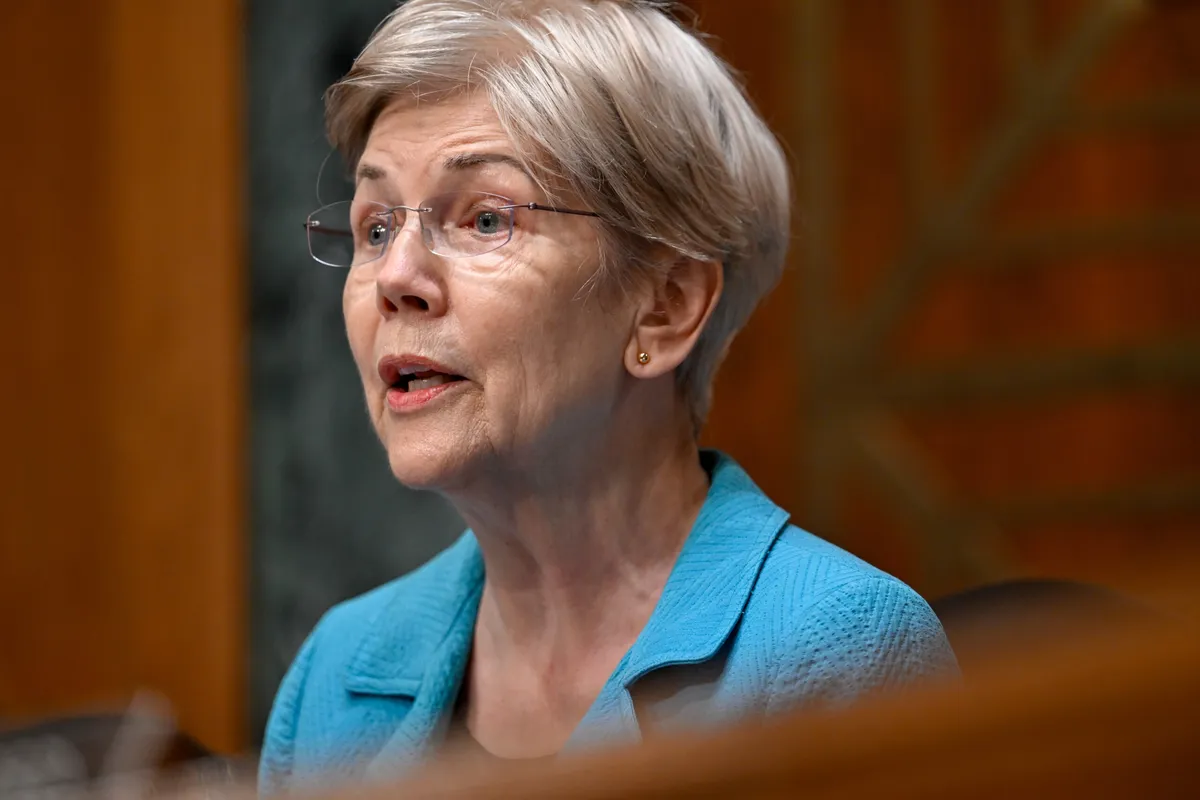
In a bold move to ensure accountability within the insurance sector, U.S. Senator Elizabeth Warren has taken a stand against the growing influence of Wall Street on insurance companies. Her recent correspondence with the National Association of Insurance Commissioners (NAIC) highlights potential regulatory gaps that could jeopardize consumer protections in an industry deeply intertwined with private credit markets. As investigations into Mark Walter's businesses unfold, the implications of these developments resonate throughout the insurance landscape, raising critical questions about transparency and oversight.
Senator Warren, the ranking member of the Senate Banking Committee, is particularly concerned about the implications of a probe into Walter's firms—Delaware Life Insurance Co. and Clear Spring Life and Annuity Co.—which reportedly failed to disclose over $20 billion in affiliated loans on their balance sheets. With the U.S. Department of Justice and Securities and Exchange Commission actively investigating these practices, Warren's inquiry into the NAIC raises significant concerns about whether current regulations are equipped to manage the evolving risks of a rapidly consolidating industry.

Understanding the Regulatory Landscape
The regulation of the U.S. insurance industry operates primarily at the state level, with individual state insurance commissioners overseeing their respective markets. While the NAIC acts as a standard-setting body, the decentralized model has drawn criticism from various quarters. Detractors argue that this fragmentation creates an uneven playing field, where insurers may strategically select jurisdictions that offer the most lenient regulatory environments.
State vs. Federal Oversight
Unlike the banking sector, where federal oversight is predominant, the insurance industry has historically relied on state-level regulation. This model has its advantages, including localized oversight that can be tailored to specific market conditions. However, it also raises concerns about regulatory arbitrage, where companies can shift their operations to states with less stringent regulations. As Senator Warren's letter underscores, the time may have come for a reevaluation of this approach in light of increasing complexities in the financial system.
The Mark Walter Probe: Unpacking the Allegations
The ongoing investigations into Mark Walter's businesses are at the heart of Warren's inquiries. Walter's firms, Delaware Life and Clear Spring Life, reportedly classified over $20 billion in loans as non-affiliated, thus circumventing disclosure requirements that are critical for maintaining transparency in financial reporting. While current regulations do not prohibit affiliated investments, they do mandate clarity and honesty in disclosures.
Potential Implications for Policyholders
If the investigations reveal systemic issues within these companies, the consequences could be far-reaching for both the firms involved and their policyholders. Consumers rely on insurance firms not only for coverage but also for financial security and transparency. The potential for undisclosed risks may undermine consumer confidence and could lead to tighter regulations across the board.

Warren’s Call for Enhanced Regulation
In her letter, Senator Warren explicitly urged the NAIC to assess whether other insurance companies may be engaging in similar practices as Walter's firms. She emphasized the need for enhanced regulatory frameworks to address the risks associated with the consolidation of the insurance market and its increasing ties to the broader financial system.
Proposed Regulatory Reforms
Warren's proposals highlight the necessity for both federal and state regulators to collaborate more closely. Possible reforms could include:
- Stricter disclosure requirements for affiliated investments.
- Enhanced scrutiny of insurance companies’ ties to private equity and other investment firms.
- Development of a unified federal framework that addresses the unique challenges of modern insurance markets.
- Regular assessments of the systemic risks posed by the growing entanglement of insurers with the financial sector.
Industry Reactions and Future Outlook
The NAIC has acknowledged receipt of Warren's letter and expressed eagerness to discuss its oversight measures regarding insurance companies' exposure to private credit. However, the response also reflects a commitment to maintaining the state-based regulatory model while ensuring policyholder protection. Critics of the current framework will be watching closely to see if the NAIC can effectively balance these competing interests.
The Role of Alternative Asset Managers
Compounding the complexity of the situation is the increasing role of alternative asset managers, such as Apollo Global Management, in the insurance industry. These firms have been acquiring significant stakes in life insurance companies, seeking to leverage the stable capital that these insurers provide to fund their private credit products. While this trend offers potential benefits, such as increased capital flow and investment opportunities, it also raises alarms about the systemic risks that could emerge from such interdependencies.

Key Takeaways
- Senator Warren is actively questioning the NAIC about its oversight of Wall Street’s influence on insurers.
- The ongoing probe into Mark Walter’s businesses raises serious concerns about regulatory gaps in the insurance industry.
- Potential reforms may include stricter disclosure requirements and federal oversight collaboration.
- The growing ties between insurers and alternative asset managers could create systemic risks.
Frequently Asked Questions
What is the NAIC, and what role does it play in insurance regulation?
The National Association of Insurance Commissioners (NAIC) is a collective of state insurance regulators in the U.S. Its primary function is to establish standards and guidelines for the insurance industry, facilitating cooperation among states to ensure consumer protection and market stability. While it does not have regulatory authority itself, it serves as a platform for standard-setting and best practices within the fragmented state-level regulatory framework.
Why are the investigations into Mark Walter's companies significant?
The investigations into Mark Walter's businesses are significant because they expose potential violations of disclosure regulations that could affect billions of dollars in loans. If these allegations are substantiated, they could lead to a reevaluation of regulatory practices across the insurance industry, impacting consumer trust and the overall integrity of financial markets.
How could potential regulatory reforms impact consumers?
Potential regulatory reforms aimed at increasing oversight and transparency in the insurance industry could have significant positive effects for consumers. Stricter disclosure requirements and enhanced scrutiny of affiliated investments could help protect policyholders from hidden risks, leading to greater confidence in their insurers and the products they offer. This could ultimately lead to a more stable and transparent insurance market.
What are the systemic risks associated with the growing ties between insurers and private equity firms?
The systemic risks associated with the growing ties between insurers and private equity firms include increased vulnerability to market fluctuations and the potential for conflicts of interest. As these entities become more intertwined, the risks that affect one sector could spill over into the other, potentially destabilizing both the insurance and broader financial markets. This interconnectedness necessitates careful regulatory oversight to prevent adverse consequences for policyholders and investors alike.
Comments
Alliant Insurance Expands PEO Advisory Services in Florida's Booming Market
Alliant Insurance Services is enhancing its presence in Florida's vibrant Professional Employer Organization (PEO) market. With Mary Hayes joining as assistant vice president, the firm aims to assist businesses in navigating HR complexities and optimizing employee benefits.
Related articles







Popular in Business Insurance
- Surging War-Risk Insurance Rates in the Strait of Hormuz: What It Means for Shipping
- Ross & Yerger Insurance Faces Class Action Over Data Breach Allegations
- Sompo Expands U.S. Workers' Compensation Portfolio with Service Insurance Acquisition
- Legal Battle Unfolds Over $1 Million Truck Crash Insurance Payout
- Howden Group's Ambitious Journey Toward IPO and Expansion