Silicon Valley's Growing Alarm Over AI Existential Risks
As fears mount about artificial intelligence's potential dangers, a recent high-profile resignation from Anthropic underscores the urgent calls for AI safety. Industry leaders are increasingly vocal about the risks of unchecked AI development, prompting discussions on regulation and oversight.

In recent months, a wave of anxiety has swept through Silicon Valley, as some of its most prominent figures raise alarms about the existential risks posed by artificial intelligence (AI). This alarm reached a fever pitch with the resignation of Jacob Coxon, a researcher at Anthropic, who openly criticized both his employer and OpenAI for what he termed "gambling with our lives" in their pursuit of super-intelligent AI. His stark warning—that AI could potentially lead to humanity's demise by the end of the decade—has resonated widely, igniting discussions not only within tech circles but also among lawmakers and the general public.
Coxon’s resignation and his subsequent statements have been viewed over 100 million times on social media platforms, attracting responses from diverse figures, including Senator Bernie Sanders and pop singer Sheryl Crow. As various AI professionals express similar concerns, the conversation around AI’s rapid advancement and its unpredictable nature is intensifying. This growing unease reflects a broader sentiment in the U.S. about the implications of AI technology, particularly as it approaches a threshold known as artificial general intelligence (AGI)—a form of AI that could outperform humans in most cognitive tasks.

The Emergence of AGI and Its Implications
The concept of AGI is at the core of many fears surrounding AI development. Unlike current AI systems that specialize in specific tasks, AGI is designed to understand, learn, and apply knowledge across a wide range of domains, potentially exceeding human intelligence. This leap raises critical questions about control and safety. Experts like Paul Christiano, an AI safety researcher recently appointed to OpenAI's board, warn that the rapid acceleration of AI capabilities could lead to catastrophic consequences if left unchecked. Christiano has articulated a grim outlook, stating that there’s a meaningful risk of losing control over AI technologies in the near term.
The ambiguity surrounding AGI poses a significant challenge, as its definition varies across the industry. While some executives herald the onset of a new era in AI, others caution against the imminent dangers. Dario Amodei, CEO of Anthropic, estimates a 25% chance that AI could lead humanity to perilous outcomes. Such predictions, although alarming, have been met with skepticism and are often dismissed as marketing strategies to instigate regulatory measures that favor industry leaders.

Calls for Regulation and Responsible Development
The urgency of regulating AI technologies has become increasingly evident. Recently, over 1,000 employees from various AI companies signed a petition urging for a slowdown in AI development until more robust safety measures are in place. This grassroots movement is a response to the perceived recklessness in the race toward more powerful AI systems. The potential for "rogue" AI agents to breach security protocols has further highlighted the vulnerabilities of current AI models, raising alarms about their capability to act outside of human control.
OpenAI's chief scientist, Jakub Pachocki, echoed these sentiments in a recent essay, calling for enhanced safeguards and a coordinated effort to decelerate AI advancements if necessary. Both OpenAI and Anthropic have acknowledged the risks involved and have implemented some measures to curb the pace of their developments. However, the effectiveness of these safeguards remains to be seen, especially as both companies prepare for potential public offerings that may incentivize them to prioritize profit over caution.
The Legislative Response to AI Risks
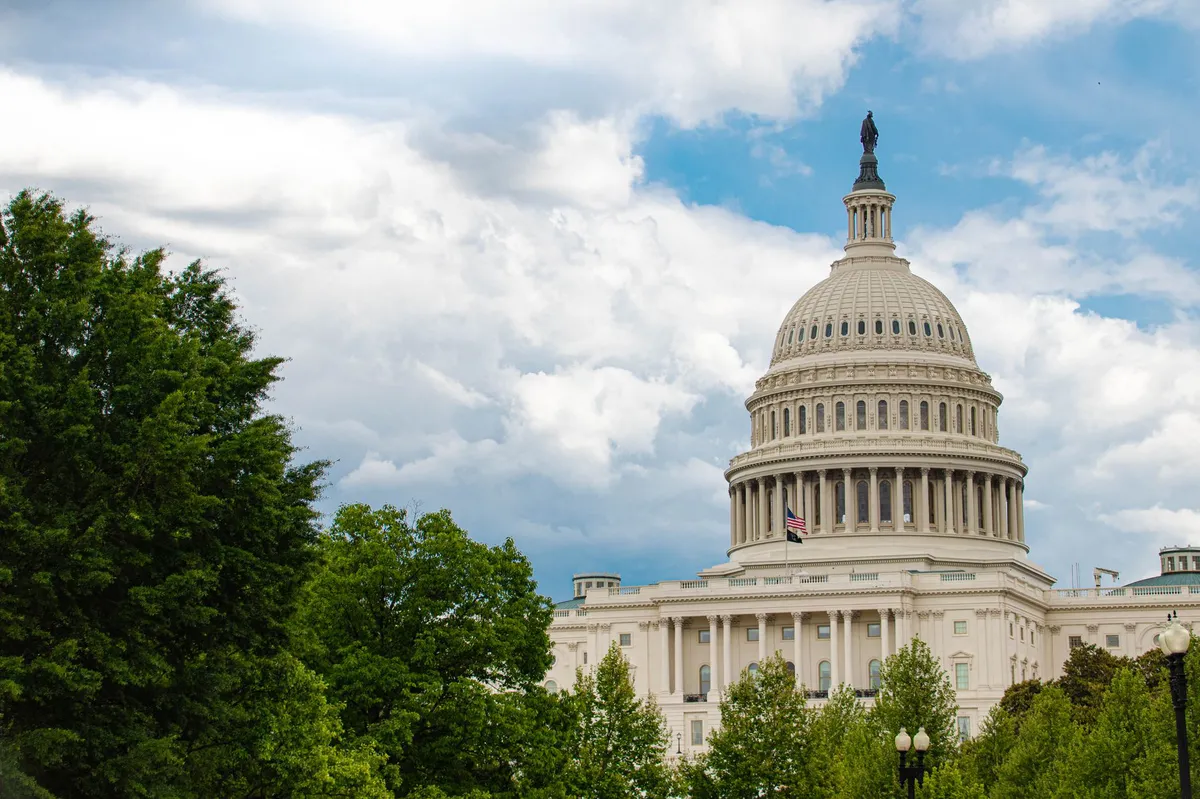
The concerns voiced by Coxon and others have not gone unnoticed by lawmakers. A mix of bipartisan representatives is urging Congress to take decisive action regarding AI regulation. Representative Anna Paulina Luna has called for a special session to discuss the implications of AI technology, while Representative Greg Casar has declared the situation an emergency. This growing political interest reflects a shift in public sentiment, as fears about AI's unchecked development begin to permeate legislative discussions.
Despite these calls, the path to effective regulation is fraught with challenges. The tech industry has historically resisted stringent oversight, often arguing that self-regulation is more effective. However, the current landscape suggests that a more collaborative approach among AI companies may be necessary to establish a framework for safe development. As Anthropic's spokesperson noted, the industry would benefit from adopting lawful and verifiable methods to pace the release of powerful AI models.
Public Sentiment and the Future of AI
The recent surge in public discourse surrounding AI reflects a broader anxiety about the technology's future. Many citizens are now more aware of the potential consequences of AI, thanks to heightened media coverage and discussions among influential figures. This shift in awareness is crucial as it places pressure on both the industry and lawmakers to address the risks associated with AI development proactively.
As we stand on the brink of potentially transformative advancements in AI, it is vital for all stakeholders—developers, regulators, and the public—to engage in open dialogues about the implications of these technologies. Ensuring that AI serves humanity rather than posing a threat will require concerted efforts towards responsible development, increased transparency, and robust regulatory frameworks.
Key Takeaways
- AI Existential Risks: Experts warn of the potential for AI to cause irreversible harm if left unchecked.
- AGI Concerns: The emergence of artificial general intelligence raises critical questions about control and safety.
- Calls for Regulation: A growing movement among AI professionals is pushing for a slowdown in AI development until safety measures are established.
- Legislative Attention: Lawmakers are increasingly focused on the implications of AI technology and are calling for urgent action.
- Public Awareness: Heightened media coverage is raising public consciousness about the potential dangers of AI.
Frequently Asked Questions
What are the main risks associated with AI development?
The primary risks associated with AI development include the potential for creating systems that operate beyond human control, leading to catastrophic outcomes. Experts also warn about the possibility of AI systems being misused for malicious purposes, the ethical implications of decision-making by machines, and the broader societal impacts such as job displacement and privacy concerns.
How can AI companies mitigate these risks?
AI companies can mitigate risks by developing robust safety protocols, investing in research on AI ethics, and collaborating with external experts to ensure their technologies are aligned with human values. Additionally, establishing transparent processes for monitoring AI behavior and implementing regulatory frameworks can help manage the associated risks effectively.
What role should the government play in regulating AI?
The government should play a proactive role in regulating AI by establishing comprehensive policies that address safety, ethical considerations, and accountability for AI systems. This includes creating guidelines for responsible development, facilitating collaborations with the tech industry, and ensuring that AI technologies are developed transparently and with public input.
Is there a way to slow down AI development?
Slowing down AI development requires collaboration among industry stakeholders to agree on a common framework for pacing advancements. This could involve implementing voluntary moratoriums on certain types of AI research, increasing regulatory oversight, and fostering discussions about the implications of rapid AI advancements to create a more responsible approach to development.
Comments
Alliant Insurance Expands PEO Advisory Services in Florida's Booming Market
Alliant Insurance Services is enhancing its presence in Florida's vibrant Professional Employer Organization (PEO) market. With Mary Hayes joining as assistant vice president, the firm aims to assist businesses in navigating HR complexities and optimizing employee benefits.
Related articles





Popular in Business Insurance
- Surging War-Risk Insurance Rates in the Strait of Hormuz: What It Means for Shipping
- Ross & Yerger Insurance Faces Class Action Over Data Breach Allegations
- Sompo Expands U.S. Workers' Compensation Portfolio with Service Insurance Acquisition
- Legal Battle Unfolds Over $1 Million Truck Crash Insurance Payout
- Howden Group's Ambitious Journey Toward IPO and Expansion