The Surge of Captive Insurance Amidst AI Data Center Growth
As AI data centers proliferate, captive insurance is becoming a crucial strategy for managing unique risks. This article delves into the transformative role of captives in the evolving insurance landscape.
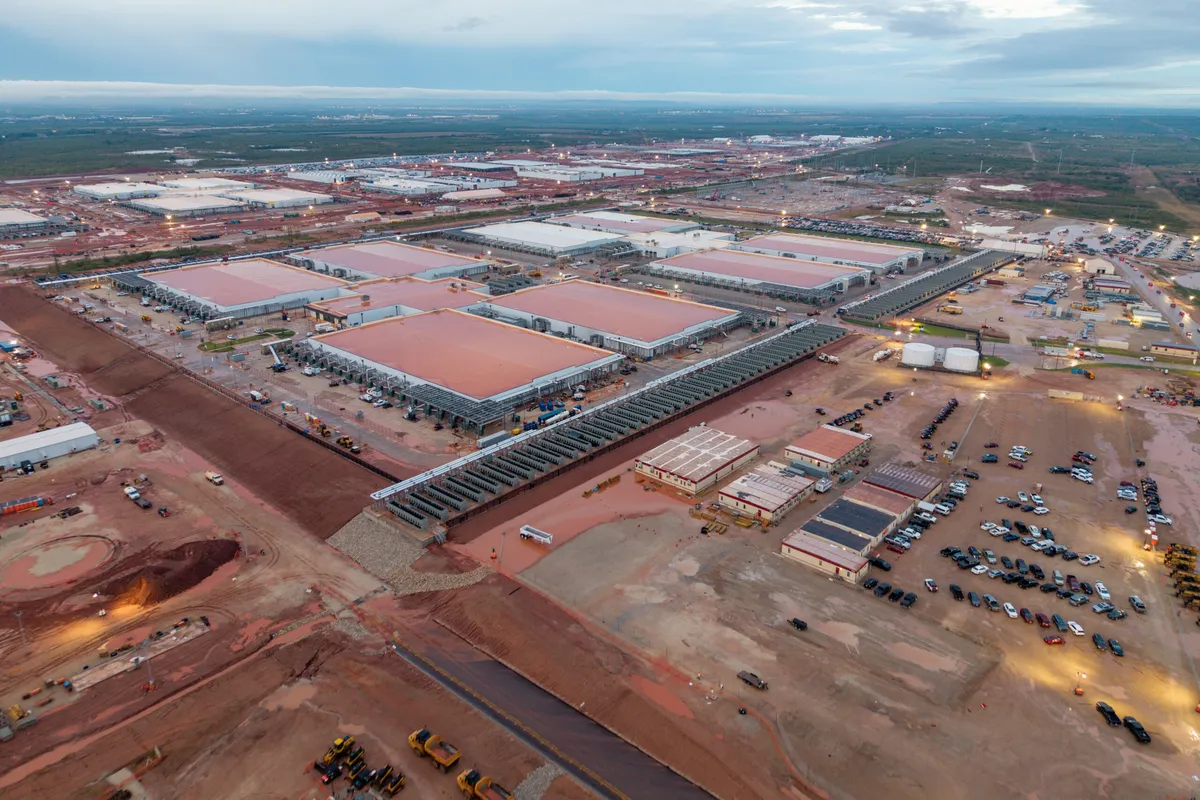
The rapid expansion of artificial intelligence (AI) data centers is not just revolutionizing technology but also reshaping the landscape of insurance. As these mega facilities emerge, companies are increasingly turning to captive insurance—a self-insurance model that allows businesses to manage their risks internally instead of relying on traditional insurers. This shift is indicative of a broader trend where businesses are rethinking their approach to risk management, particularly in sectors where conventional insurance options may fall short.
Captive insurance is no longer confined to high-risk industries like oil and gas; it is now gaining traction across various sectors, especially in the burgeoning field of AI. According to Michael Serricchio, the US and Canada captive solutions leader at Marsh, a leading insurance broker, the growth trajectory for captives is set to be explosive. As AI data centers require significant investment and face unique risks, captives are emerging as a viable solution for managing these complexities.

The Rise of AI Data Centers and Their Unique Risks
AI data centers, often characterized by their massive scale and high-value equipment, present a unique set of challenges for insurers. These centers typically house advanced technology, such as high-value graphics processing units (GPUs), which are essential for processing vast amounts of data. However, traditional insurance products may not adequately cover the specific risks associated with these assets.
The Scale of Investment
As companies invest trillions of dollars into AI infrastructure over the coming years, the need for innovative risk management solutions becomes increasingly critical. Many of these data centers are situated in regions that are prone to extreme weather conditions, such as tornadoes, floods, and drought, further complicating the insurance landscape.
Insurance Gaps
Despite the growing importance of AI data centers, there are notable gaps in coverage. For instance, standard business interruption insurance may include waiting periods of 12 to 24 hours before coverage kicks in, leaving companies vulnerable in the event of a power failure. As noted by S&P Global Ratings, these gaps highlight the need for self-insurance solutions that can be tailored to meet the unique demands of the technology sector.

What is Captive Insurance?
Captive insurance refers to a form of self-insurance where a company creates its own insurance company to manage its risks. This model allows firms to retain a portion of their risk rather than transferring it entirely to a third-party insurer. By doing so, companies can reinvest the premiums they would otherwise pay to traditional insurers, effectively turning insurance from a cost center into a potential profit center.
Benefits of Captives
- Cost Efficiency: Captives can reduce overall insurance costs by retaining risk and minimizing premium payments to external insurers.
- Customization: Companies can tailor their insurance policies to meet specific needs, addressing unique risks associated with their operations.
- Financial Flexibility: Premiums paid into a captive can be reinvested, providing businesses with greater financial control.
- Improved Risk Management: Captives enable companies to develop a deeper understanding of their risk exposures and implement better risk management strategies.

Transforming Risk Management Strategies
The shift towards captive insurance in the context of AI data centers reflects a broader trend in risk management. As traditional insurers face challenges in underwriting the unique risks associated with these facilities, companies are seeking alternative solutions to effectively manage their exposures.
Historical Context and Evolution
Captive insurance has its roots in industries like oil and gas, where companies faced significant environmental risks that were difficult to insure through conventional means. Over the past few decades, the model has evolved, with more than 6,000 captives globally, collectively writing approximately $240 billion in premiums. This represents a significant increase of nearly 20% from two years ago, indicating a growing acceptance of captives as a mainstream risk management tool.
Regulatory Developments
As the demand for captive insurance grows, regulatory frameworks are also evolving to accommodate this trend. For example, France introduced legislation in 2023 to promote the establishment of homegrown captives. Meanwhile, the UK is exploring competitive regulatory frameworks aimed at developing a domestic captive market. These movements could shift business away from traditional hubs like the US, Bermuda, and the Cayman Islands, creating new geographic centers for self-insurance.

Looking Ahead: The Future of Captive Insurance
The future of captive insurance, particularly in the context of AI data centers, appears promising. As companies like Meta Platforms Inc. explore innovative risk-retention strategies, the landscape for self-insurance will continue to evolve. For instance, Meta's Hyperion data-center campus presented unique challenges that necessitated a tailored solution beyond standard insurance products.
Collaboration with Reinsurers
The integration of captives into the broader insurance ecosystem is also becoming increasingly important. Reinsurers, who provide insurance for insurers, play a critical role in helping captives manage their risks. As the capacity of traditional insurers becomes stretched, it is essential for captives, along with other risk management tools such as catastrophe bonds and sidecars, to facilitate the necessary risk capacity to support continued growth in the AI sector.
Corporate Attitudes Toward Captives
With rising premiums and loss severity, businesses are increasingly exploring captives as a means to take control of their risk management strategies. As noted by Serricchio, many clients express frustration over paying property insurance premiums without ever making a claim, leading them to seek alternative solutions that offer more value and control over their risks.
Key Takeaways
- AI data centers are driving the growth of captive insurance due to unique risks and high-value equipment.
- Captives provide companies with cost efficiency, customization, and improved risk management.
- Regulatory changes are fostering the growth of captives worldwide.
- Collaboration with reinsurers is crucial for managing the risks associated with AI infrastructure.
- The trend towards captives reflects a broader shift in corporate attitudes towards risk management.
Frequently Asked Questions
What is the primary advantage of using captive insurance for businesses?
The primary advantage of captive insurance is that it allows businesses to retain a portion of their risk while managing their own insurance needs. This self-insurance model enables companies to customize their coverage, improve financial flexibility, and reduce overall insurance costs. By keeping premiums within the company, businesses can also invest those funds rather than treating them as sunk costs.
How does the rise of AI data centers impact traditional insurance markets?
The rise of AI data centers introduces unique risks that traditional insurance markets may struggle to underwrite adequately. These facilities often require high levels of investment and are susceptible to specific environmental and operational risks, leading companies to seek alternative solutions like captive insurance. This shift can create challenges for traditional insurers as they need to adapt their products to meet the evolving needs of businesses in high-tech sectors.
What regulatory changes are influencing the captive insurance market?
Recent regulatory developments, such as France's legislation promoting homegrown captives and the UK's exploration of competitive frameworks, are positively influencing the captive insurance market. These changes aim to create more favorable environments for establishing captives, potentially diverting business from traditional insurance hubs and leading to a more competitive global landscape for self-insurance.
What role do reinsurers play in the captive insurance ecosystem?
Reinsurers provide essential support to captives by offering additional risk management capacity. As traditional insurers face challenges in underwriting emerging risks, reinsurers help captives manage their exposures effectively. This collaboration is critical for ensuring that captives can handle the unique risks associated with AI data centers and other high-tech industries, facilitating continued growth and innovation in these sectors.
Comments
Alliant Insurance Expands PEO Advisory Services in Florida's Booming Market
Alliant Insurance Services is enhancing its presence in Florida's vibrant Professional Employer Organization (PEO) market. With Mary Hayes joining as assistant vice president, the firm aims to assist businesses in navigating HR complexities and optimizing employee benefits.
Related articles




Popular in Business Insurance
- Surging War-Risk Insurance Rates in the Strait of Hormuz: What It Means for Shipping
- Ross & Yerger Insurance Faces Class Action Over Data Breach Allegations
- Sompo Expands U.S. Workers' Compensation Portfolio with Service Insurance Acquisition
- Legal Battle Unfolds Over $1 Million Truck Crash Insurance Payout
- Howden Group's Ambitious Journey Toward IPO and Expansion