Understanding Social Media's Impact in Tornado Disaster Communication
A study from the University of Nebraska-Lincoln reveals the dual role of social media in tornado disaster communication, highlighting both its advantages and the persistent challenges faced by rural communities.
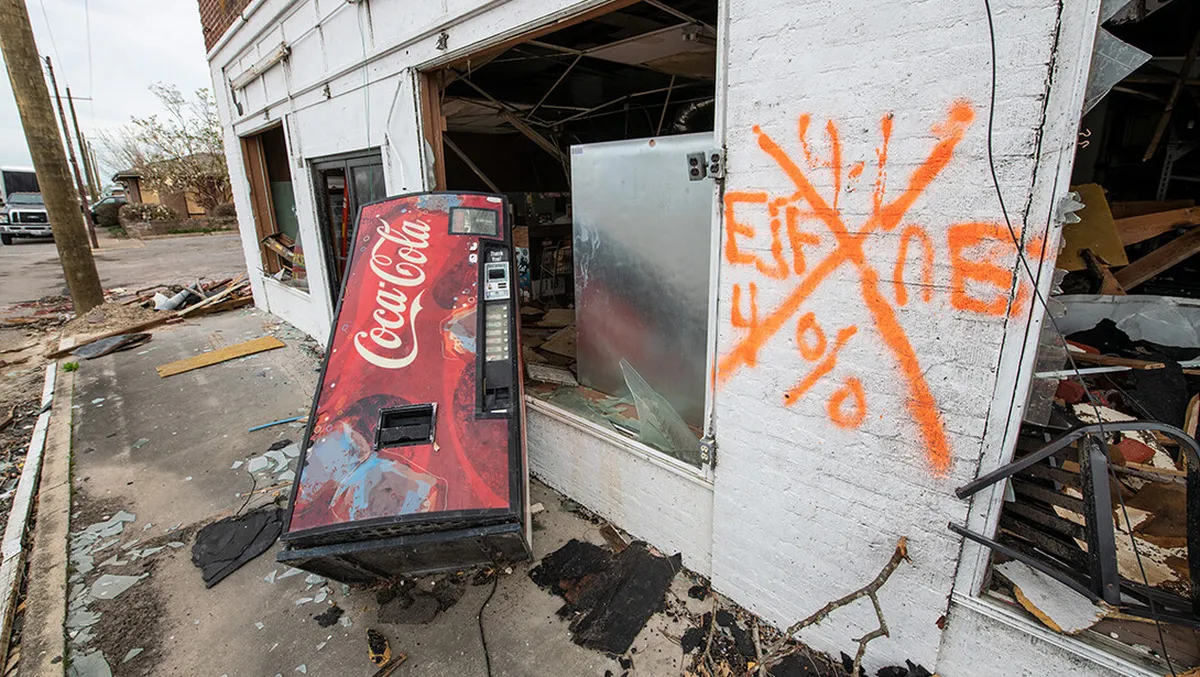
On March 24, 2023, a powerful EF-4 tornado wreaked havoc in Rolling Fork, Mississippi, claiming 17 lives and injuring many more. As the storm tore through this small rural community, social media emerged as a pivotal tool for disseminating critical information, from weather alerts to recovery resources. However, a detailed study conducted by media scholars at the University of Nebraska-Lincoln has illuminated not only the strengths of social media in crisis communication but also the significant gaps in communication that persist, particularly in rural and underserved areas.
This in-depth analysis, led by Professor Cory Armstrong alongside University of Alabama researcher Matthew Van Dyke, provides a comprehensive look at how digital platforms can facilitate information sharing during disasters, while also revealing the systemic barriers that hinder effective communication in vulnerable populations. With the growing frequency of extreme weather events, understanding these dynamics is crucial for improving emergency management strategies nationwide.
The Role of Social Media in Crisis Communication
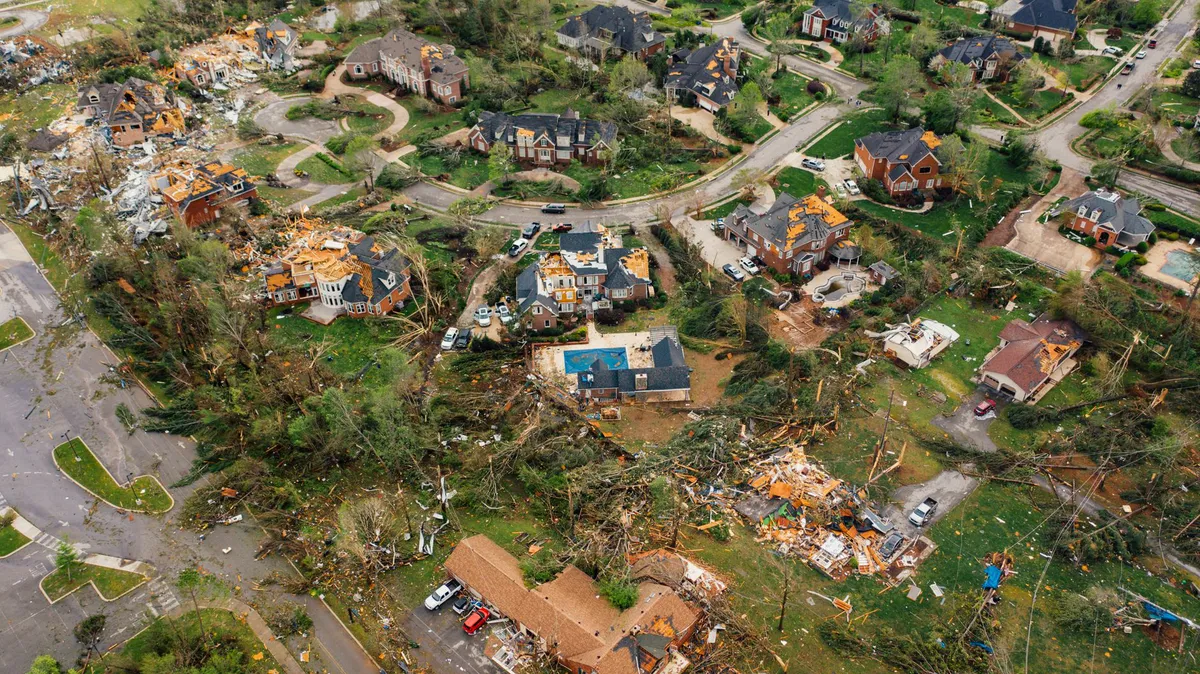
Social media platforms have transformed the landscape of disaster communication, allowing for rapid sharing of critical updates and fostering community engagement during emergencies. In the case of the Rolling Fork tornado, posts on platforms like X (formerly Twitter) were instrumental in spreading information about the impending disaster, damage reports, and recovery efforts. Armstrong and Van Dyke meticulously tracked social media activity over 120 days, spanning from two weeks before the tornado to early July 2023.
Phases of Social Media Activity
The researchers categorized social media posts into three distinct phases:
- Preparedness: Leading up to the storm, posts primarily focused on weather warnings and safety tips.
- Response: During the immediate aftermath, discussions centered on damage assessments and resources for affected individuals.
- Recovery: As the community began to rebuild, the conversation shifted towards recovery updates and support networks.
Throughout these phases, the study found that while weather information was actively shared during the preparedness and response stages, discussions about the tornado's aftermath and recovery surged, likely reflecting the distance from the nearest metropolitan news source. Rolling Fork is located over 85 miles from Jackson, Mississippi, which lacks over-the-air news stations.

Communication Gaps in Rural Areas
Despite the advantages of social media, the study underscored persistent communication challenges faced by rural communities like Rolling Fork. Interviews with emergency managers and weather officials revealed several barriers to effective information dissemination:
Barriers Identified
- Limited Broadband Access: Many rural areas struggle with inadequate internet connectivity, which can inhibit residents from receiving timely information during disasters.
- Fragmented Media Landscape: The proliferation of media channels leads to mixed messages and confusion, complicating the efforts to communicate vital information.
- Transient Populations: A significant portion of Rolling Fork's population lives in mobile homes, which can complicate evacuation and shelter strategies.
As Armstrong articulated, “It’s not one message that fits everything.” The challenge lies in creating tailored communication strategies that address the unique needs of diverse populations, particularly those who may not have access to the same resources as others.
Lessons Learned and Future Implications
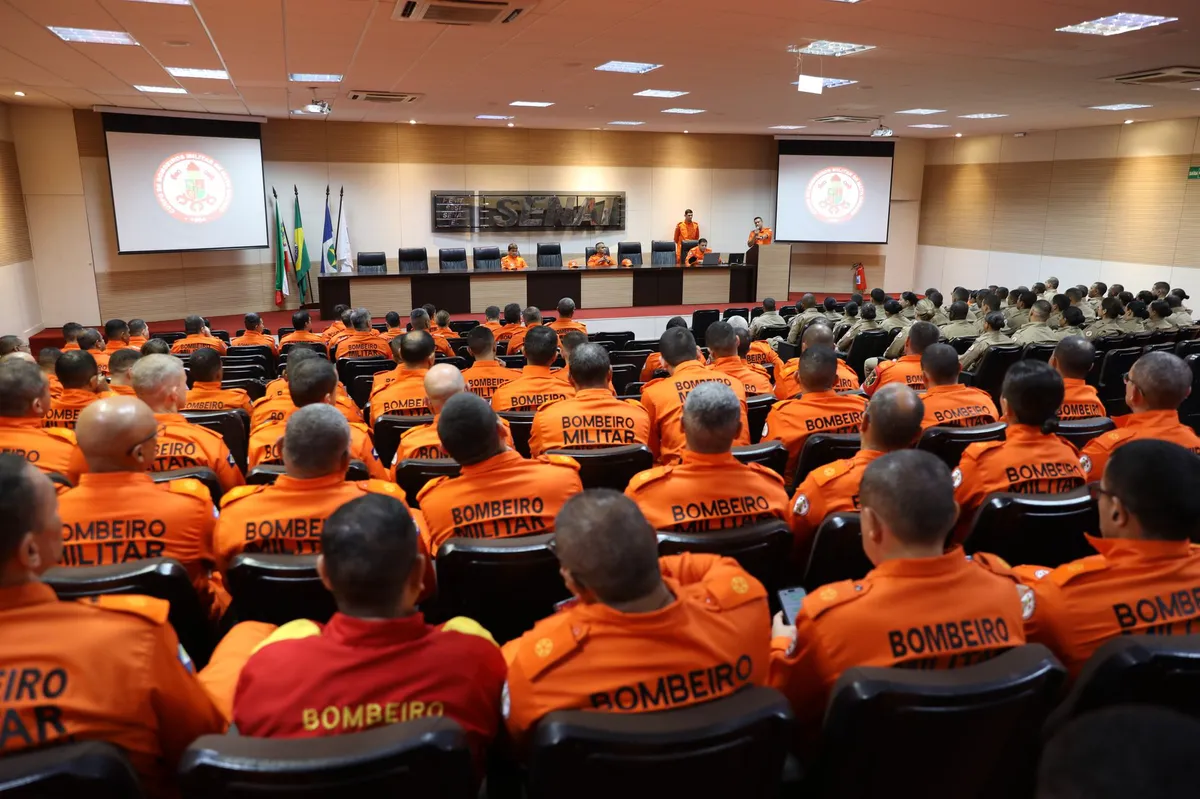
The insights gained from the Rolling Fork tornado case study are invaluable for emergency management agencies across the United States. Understanding the nuances of communication during disasters can lead to more effective strategies that ensure all community members receive crucial information in a timely manner.
Strategic Recommendations
Armstrong recommends the development of multi-faceted communication strategies that consider the various needs of rural and underserved communities, including:
- Pre-Disaster Preparedness: Engage these communities in preparedness training and develop localized communication plans.
- Resource Sharing: Foster collaboration between neighboring counties to share best practices and resources for disaster response.
- Community Engagement: Involve local leaders and organizations in the communication process to better reach transient populations.
“We have to be thinking about what are the messages that we give to people in underserved populations that are in communities that can’t evacuate,” Armstrong emphasized. This proactive approach can significantly enhance public safety and ensure that no one is left vulnerable during a disaster.
Expanding Research on Rural Communication
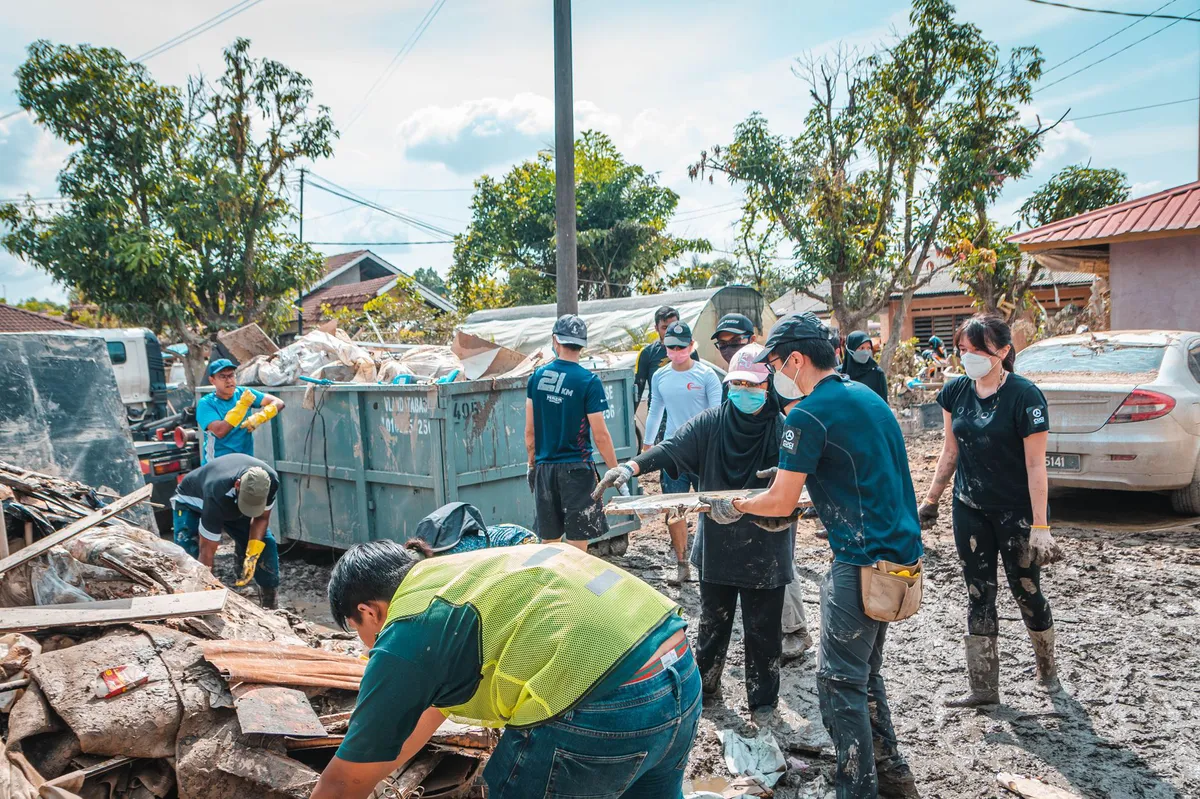
Building on the findings from the Rolling Fork tornado, Armstrong is expanding her research to explore communication strategies across various types of disasters, particularly in rural settings. This ongoing research aims to identify successful communication practices and develop frameworks that can be applied universally, regardless of the nature of the disaster.
Armstrong's commitment to understanding the intricacies of disaster communication reflects a growing recognition of the need for tailored approaches in emergency management. As climate change continues to influence the frequency and intensity of natural disasters, equipping rural communities with the tools and resources necessary for effective communication will be paramount.
Key Takeaways
- Social media plays a critical role in disseminating information during tornado disasters, but communication gaps remain.
- Rural communities face unique challenges, including limited broadband access and fragmented media landscapes.
- Tailored communication strategies are essential for effectively reaching all populations, particularly vulnerable groups.
- Lessons from the Rolling Fork tornado can inform emergency management practices nationwide.
- Ongoing research is needed to develop effective communication frameworks for diverse disaster scenarios.
Frequently Asked Questions
How can social media improve disaster communication?
Social media serves as a real-time platform for sharing critical information during disasters, allowing organizations and individuals to quickly disseminate alerts and updates. It enables two-way communication, where affected individuals can share their experiences and needs, creating a more responsive and engaged community. However, its effectiveness largely depends on the accessibility of digital platforms in the affected areas.
What are the main barriers to effective disaster communication in rural areas?
Rural areas often grapple with limited broadband access, which restricts residents’ ability to receive timely information. Additionally, a fragmented media landscape can lead to mixed messages and confusion. Understanding the demographic and socioeconomic factors, such as transient populations living in mobile homes, is also crucial for developing effective communication strategies.
What steps can communities take to prepare for disasters?
Communities can engage in pre-disaster preparedness training, develop localized communication plans, and foster collaboration among neighboring regions to share resources and strategies. Involving local leaders and organizations in the communication process can help effectively disseminate information and ensure that all community members are informed and prepared.
Why is ongoing research important in disaster communication?
Ongoing research is essential to identify successful communication practices and develop frameworks that can be applied across different types of disasters. As climate change continues to impact the frequency and severity of natural disasters, understanding effective communication strategies will be crucial to enhance public safety and resilience in vulnerable communities.
Comments
NFP Expands Wealth Management Footprint with Total Benefits Advisors Acquisition
NFP's recent acquisition of Total Benefits Advisors marks a strategic move to enhance its wealth management services in the Cleveland area, reflecting broader trends in the advisory landscape.

Related articles



Popular in Business Insurance
- Surging War-Risk Insurance Rates in the Strait of Hormuz: What It Means for Shipping
- Ross & Yerger Insurance Faces Class Action Over Data Breach Allegations
- Sompo Expands U.S. Workers' Compensation Portfolio with Service Insurance Acquisition
- Legal Battle Unfolds Over $1 Million Truck Crash Insurance Payout
- Howden Group's Ambitious Journey Toward IPO and Expansion