Keystone Pipeline Operator Faces $26.9M Penalty for Kansas Spill
The operator of the Keystone Pipeline System has agreed to a substantial penalty following a significant oil spill in Kansas. This article delves into the details of the settlement, the environmental impact, and the broader implications for pipeline safety.
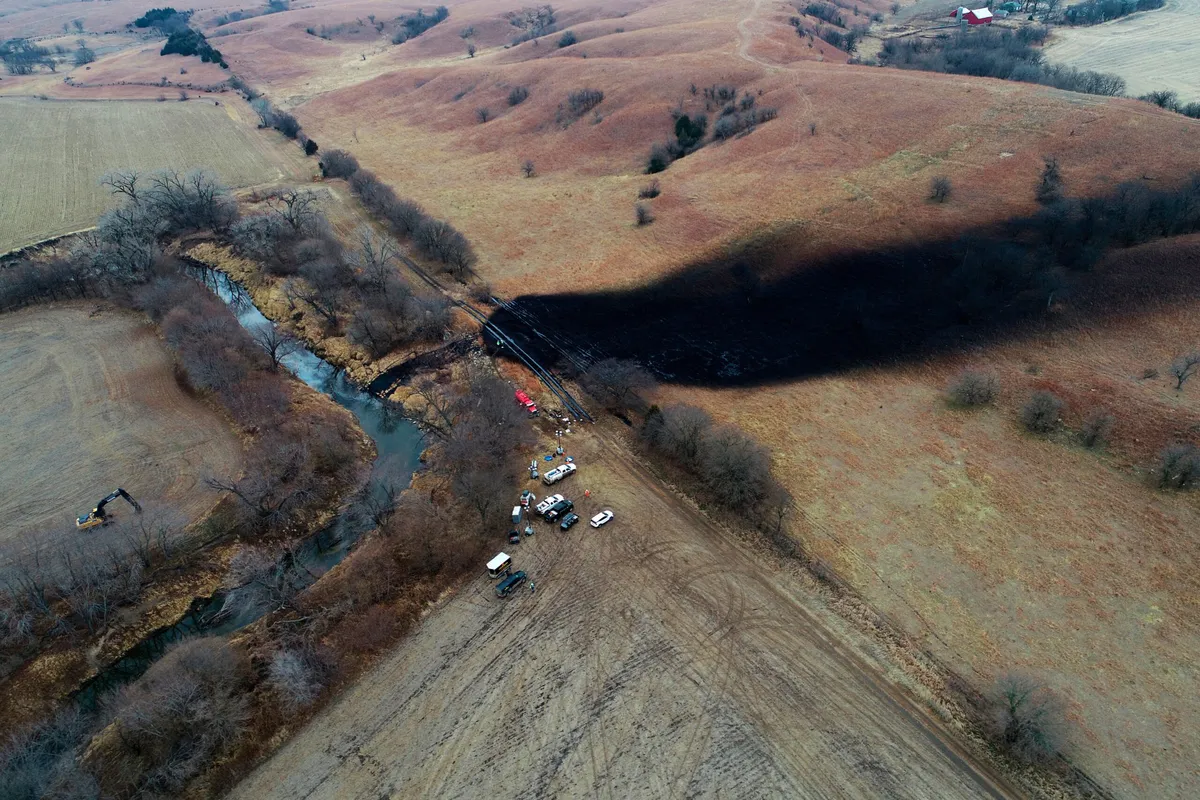
The Keystone Pipeline System, a vital conduit for North American crude oil, has recently found itself embroiled in controversy following a catastrophic oil spill in Kansas. The operator, South Bow, has agreed to pay a staggering $26.9 million civil penalty as part of a proposed legal settlement with the U.S. government. This settlement not only aims to hold the company accountable but also mandates a further $40 million investment into preventative measures intended to avert future spills. This incident marks a pivotal moment in the ongoing discourse about pipeline safety and environmental protection.
On December 9, 2022, the Keystone Pipeline ruptured, resulting in the discharge of nearly 13,000 barrels of heavy crude oil into a creek in Washington County, Kansas. This spill has been categorized as the largest onshore crude pipeline disaster in the United States in nearly a decade, eclipsing all previous spills from the same pipeline system combined, according to a report by the U.S. Government Accountability Office. The magnitude of the spill is staggering, equating to the volume of an Olympic-sized swimming pool, and has raised serious concerns regarding the infrastructure's integrity and the regulatory measures in place to safeguard the environment.
The Financial Fallout: Understanding the Settlement
The proposed settlement, which awaits judicial approval following a 30-day public comment period, aims to address violations of both U.S. and Kansas clean water laws. As part of the agreement, South Bow is also set to pay an additional $3 million for environmental restoration efforts. The implications of this settlement extend beyond financial penalties; it represents a significant step towards accountability in the energy sector, especially as concerns about environmental degradation continue to mount.
EPA's assistant administrator for enforcement, Jeffrey Hall, emphasized the severity of the environmental damage caused by the spill, stating, "The oil spill blanketed land and water, rendering the waterway lifeless and useless and requiring extensive cleanup and remediation." This statement underscores the critical role that regulatory bodies play in enforcing compliance among operators to protect natural resources.
Environmental Impact: A Closer Look
The ramifications of the spill extend well beyond financial penalties. The immediate environmental damage was extensive; more than 2,700 animals were reported harmed or killed, and the incident placed significant strain on local ecosystems. Among the affected wildlife is the endangered long-eared bat, a species that relies on healthy habitats to thrive.
Long-term Ecosystem Effects
Environmental scientists are now tasked with assessing the long-term effects of the spill on the local ecosystem. The cleanup process is not simply an immediate response but rather a prolonged effort to restore the affected areas. This includes monitoring soil and water quality, reintroducing native species, and ensuring that the habitats can support wildlife once again.
One of the critical findings from an engineering consulting firm in May 2023 revealed that a bend in the pipeline where the spill occurred had been "overstressed" since its installation in 2010. This raises questions about the construction practices and ongoing maintenance protocols that were followed by South Bow and the implications for pipeline integrity going forward.

Regulatory Landscape: Implications for the Future
This incident comes amid a broader scrutiny of pipeline safety regulations. The significant penalties levied against South Bow may signal a shift in how regulatory bodies approach compliance and enforcement. As public awareness of environmental issues grows, companies may face increasing pressure to not only adhere to existing regulations but to also adopt more rigorous safety measures.
The Keystone system, which spans 2,689 miles and transports thick Canadian tar sands oil to refineries across the central United States, is now under heightened scrutiny. Following the spill, South Bow has claimed to have conducted over 12,000 miles of pipeline inspections and 400 excavations to assess and repair potential vulnerabilities. However, the effectiveness of these measures will likely be closely monitored by regulatory agencies and environmental advocates alike.
- Regulatory Compliance: Increased scrutiny and enforcement actions against pipeline operators.
- Investment in Safety: The necessity for operators to invest in preventative measures and infrastructure upgrades.
- Environmental Restoration: Ongoing efforts to restore damaged ecosystems and wildlife habitats.

Community Impact and Public Perception
The spill has sparked conversations about the social responsibility of energy companies and their obligation to local communities. While no workers or residents were directly injured in the incident, the psychological and economic impacts on the local community are profound. Residents may experience anxiety about the safety of their local environment and water supply, despite assurances from the company that public water sources were unaffected.
Community Response and Advocacy
Local advocacy groups have emerged, demanding greater transparency from pipeline operators and more stringent regulations to prevent future incidents. The spill has galvanized community members to engage more actively in discussions related to environmental protection and energy policy. This incident serves as a reminder of the delicate balance between energy needs and environmental stewardship.
Key Takeaways
- South Bow, operator of the Keystone Pipeline, faces a $26.9 million penalty for a major oil spill in Kansas.
- The spill, releasing nearly 13,000 barrels of crude oil, is the largest in nearly a decade.
- More than 2,700 animals were harmed, highlighting the environmental repercussions.
- The proposed settlement includes a requirement for $40 million in future preventative measures.
- Public scrutiny and regulatory pressures on pipeline operators are expected to intensify.
Frequently Asked Questions
What caused the Keystone Pipeline spill in Kansas?
The Keystone Pipeline spill was attributed to a rupture that occurred on December 9, 2022. Investigations revealed that a bend in the pipeline had been "overstressed" since its installation, leading to structural vulnerabilities. Soil under the pipeline was also reported to be improperly compacted, indicating potential maintenance oversights that contributed to the incident.
How will the $26.9 million penalty be used?
The $26.9 million civil penalty will be directed towards addressing violations of clean water laws and funding environmental restoration projects. Additionally, South Bow is required to invest $40 million into preventative measures aimed at enhancing pipeline safety and reducing the likelihood of similar incidents in the future.
What are the potential long-term effects of the spill on the environment?
The long-term effects of the spill on the environment can be significant. The immediate impact included the death and harm of over 2,700 animals, alongside extensive damage to local ecosystems. Restoration efforts will be essential in monitoring soil and water quality, reintroducing native species, and rehabilitating habitats to ensure ecological balance is restored over time.
What are the broader implications of this incident for pipeline safety regulations?
This incident may serve as a catalyst for reevaluating pipeline safety regulations across the industry. As public awareness of environmental issues heightens, energy companies may face increased scrutiny, resulting in more stringent regulations and enforcement actions aimed at ensuring compliance and protecting the environment.
Comments
NFP Expands Wealth Management Footprint with Total Benefits Advisors Acquisition
NFP's recent acquisition of Total Benefits Advisors marks a strategic move to enhance its wealth management services in the Cleveland area, reflecting broader trends in the advisory landscape.

Related articles






Popular in Business Insurance
- Surging War-Risk Insurance Rates in the Strait of Hormuz: What It Means for Shipping
- Ross & Yerger Insurance Faces Class Action Over Data Breach Allegations
- Sompo Expands U.S. Workers' Compensation Portfolio with Service Insurance Acquisition
- Legal Battle Unfolds Over $1 Million Truck Crash Insurance Payout
- Howden Group's Ambitious Journey Toward IPO and Expansion