How AI is Transforming the Insurance Workforce: Job Cuts and Future Skills
As insurance companies increasingly adopt AI, workforce reductions are on the rise. This article explores the implications of these changes, the skills that will be in demand, and how firms can navigate this transition effectively.
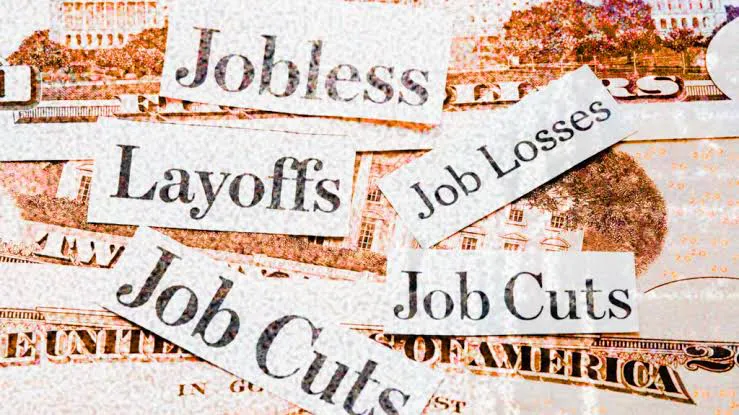
The insurance industry is undergoing a seismic shift as artificial intelligence (AI) technologies become more integrated into everyday operations. While AI promises to streamline processes and increase efficiency, it has also triggered significant workforce reductions across the sector. As firms grapple with the complexities of implementing AI, the challenge lies not only in how they adapt their workforce but also in how they redefine the skill sets required for the future.
According to recent research from Gartner, approximately 80% of organizations that have adopted autonomous business capabilities have downsized their workforce. This trend raises critical questions about the long-term implications of AI on employment within the insurance industry. Are these job cuts a necessary step toward progress, or are companies prematurely sacrificing human capital in pursuit of technological efficiencies?
The AI Paradox: Job Cuts Amid Promising Returns
Insurers have been linking workforce reductions directly to the implementation of AI, yet emerging studies indicate that cutting jobs may not yield the anticipated returns. In fact, firms experiencing stronger financial outcomes from AI adoption reported nearly identical rates of job cuts as those with less favorable results. This paradox highlights the complexity of the relationship between technology investment and workforce management.
Since the end of 2024, tens of thousands of positions have been eliminated across insurers, brokers, and health plans. For instance, Acrisure announced a significant reduction of 2,250 jobs in May 2026, representing about 11% of its global workforce. This followed an earlier cut of 400 roles in October 2025, primarily in accounting and back-office operations. Similarly, Allianz plans to cut up to 1,800 positions in its travel insurance division due to automation, while Munich Re’s ERGO is set to reduce its workforce by around 1,000 by 2030.

Shifting Skill Sets: The New Employee Landscape
Peter McMurtrie, a partner in West Monroe's insurance practice, emphasizes that these changes should not be seen merely as machines replacing workers. Instead, automation is evolving the skill sets that insurance companies require from their employees. For over a decade, the industry has been automating repetitive tasks, but AI is now accelerating this process, enhancing the quality of automation.
As a result, the focus is shifting toward roles that demand complex decision-making, judgment, and customer interaction. Areas such as transactional claims processing, customer service, and underwriting support are increasingly becoming automated, requiring insurers to rethink their workforce strategies.
Future Skills in Demand
The transformation necessitates a workforce equipped with new capabilities. The following skills are likely to be in high demand:
- Technical Proficiency: Understanding AI tools and data analytics.
- Complex Problem-Solving: Ability to navigate and make decisions in intricate scenarios.
- Customer Engagement: Skills in managing relationships and providing personalized service.
- Adaptability: Willingness to learn and adjust to new technologies and processes.
The Dangers of Premature Workforce Reductions
Despite the push for AI integration, experts caution against hasty workforce reductions. Gartner analyst Helen Poitevin warns that while cutting jobs may seem like a method to save costs, it does not inherently guarantee a return from AI investments. Companies that reported improvements were more likely to invest in employee training, redesigning roles, and creating operating models that enable human oversight of automated systems.
In light of this, the most effective insurers are not merely cutting costs but are reinvesting those savings into AI and digital capabilities. McMurtrie asserts that successful companies are adopting a self-funding approach to transformation, utilizing efficiency gains to build the necessary capabilities for competitiveness in a rapidly evolving market. However, this strategy hinges on the realization of projected savings.

Measuring the Impact: AI Budgeting and Workforce Strategy
According to Bain & Company's 2026 Automation and AI Pathfinder Survey, nearly 40% of companies measuring AI cost savings reported reductions below 10%, despite setting higher targets. Nonetheless, the majority of firms plan to increase their AI budgets, with 90% indicating an intent to do so. Importantly, 44% of these organizations expect to fund investments in generative and agentic AI through savings from prior automation initiatives.
The combination of job cuts and less-than-expected savings presents a risk for companies that may prematurely eliminate capacity before new systems can reliably take over. Gartner researchers caution against imposing hiring freezes or headcount reductions in anticipation of AI benefits before these capabilities are fully operational.
The Shift in Talent Acquisition
As a result, hiring practices are likely to become more selective. Demand is shifting toward employees who can blend technical skills with traditional insurance expertise. This new talent pool will be crucial for navigating the complexities brought on by AI integration.
McMurtrie reiterates the importance of a balanced approach: “The future belongs to insurance professionals who combine deep industry knowledge with technology, rather than choosing one over the other.” Companies must focus on cultivating this hybrid talent to thrive in the new landscape.

Key Takeaways
- Job Cuts Surge: Many insurance firms are reducing their workforce as they adopt AI technologies.
- New Skills Required: The industry is shifting toward roles that emphasize complex decision-making and customer engagement.
- Careful Workforce Management: Companies should avoid hasty job cuts that could jeopardize their ability to operate effectively.
- Invest in Talent: Successful firms are reinvesting in employee training and development to ensure a smooth transition.
- Hybrid Expertise: The future workforce will need a blend of technical skills and insurance knowledge.
Frequently Asked Questions
How are insurance companies using AI?
Insurance companies are implementing AI to automate repetitive tasks, enhance operational efficiency, and improve decision-making processes. This technology can streamline claims processing, underwriting, and customer service functions, allowing firms to operate more effectively and reduce costs.
What types of jobs are being cut in the insurance sector?
Job cuts in the insurance sector primarily affect roles that involve repetitive tasks, such as claims processing, back-office support, and customer service. As these functions become automated, the demand for traditional roles is decreasing, leading to significant layoffs across various companies.
What skills will be important for future insurance professionals?
Future insurance professionals will need a combination of technical expertise in AI and data management, along with strong problem-solving abilities and customer engagement skills. The ability to adapt to new technologies and processes will also be crucial for success in the evolving landscape of the industry.
How can companies ensure a successful transition to AI?
To ensure a successful transition to AI, companies should focus on training their existing workforce, redesigning roles to accommodate new technologies, and maintaining a balance between automation and human oversight. Investing in employee development and fostering a culture of adaptability will be key to navigating this transformation effectively.
Comments
Coalition Launches Enhanced Cyber Insurance for Large Enterprises
In response to growing digital threats, Coalition introduces Active Cyber Insurance for Enterprises, offering up to $25 million in coverage for large U.S. businesses. This innovative solution comes on the heels of a strategic partnership with Allianz, aiming to bolster cyber resilience in an increasingly complex threat landscape.

Related articles





Popular in Business Insurance
- Surging War-Risk Insurance Rates in the Strait of Hormuz: What It Means for Shipping
- Ross & Yerger Insurance Faces Class Action Over Data Breach Allegations
- Sompo Expands U.S. Workers' Compensation Portfolio with Service Insurance Acquisition
- Legal Battle Unfolds Over $1 Million Truck Crash Insurance Payout
- Howden Group's Ambitious Journey Toward IPO and Expansion