OpenAI Responds to Apple’s Trade Secret Lawsuit: Key Insights and Implications
OpenAI has publicly responded to Apple's recent lawsuit, which alleges trade-secret theft. This article explores the claims, OpenAI's defense, and the broader implications for the tech industry.
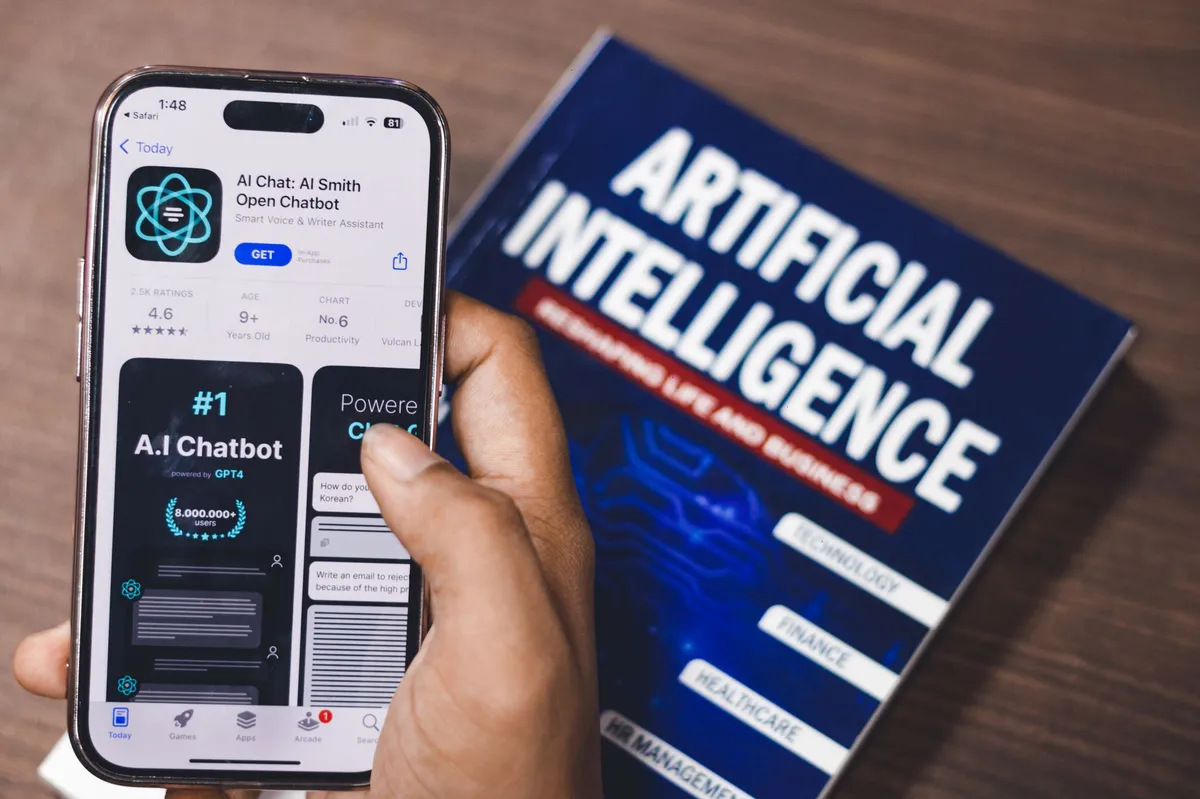
In a high-stakes legal battle, OpenAI has found itself on the defensive after Apple Inc. filed a lawsuit accusing the artificial intelligence company of stealing trade secrets. The suit, which was filed just days ago, alleges that OpenAI's chief hardware officer, a former head of iPhone design, engaged in unethical practices to recruit Apple employees and gain access to proprietary technology. OpenAI's response has been firm: they claim to be unaware of any evidence that supports the allegations made by Apple. This situation not only highlights the fierce competition in the technology sector but also raises important questions about intellectual property and employee mobility.
As companies like OpenAI and Apple continue to push the boundaries of innovation, the implications of this lawsuit are far-reaching. The accusations of trade-secret theft come amid a growing focus on the ethical considerations surrounding artificial intelligence and the protection of intellectual property in an increasingly competitive landscape. Understanding the complexities of this case is essential for stakeholders in the tech industry, as well as consumers who rely on these companies for cutting-edge products and services.
The Allegations: What Apple Claims
Apple's lawsuit revolves around serious allegations of trade-secret theft, suggesting that OpenAI's hardware team is built on a foundation of unethical practices. According to Apple, the issues began when their former iPhone engineer, who transitioned to OpenAI earlier this year, allegedly hacked into Apple’s systems to access confidential engineering presentations and other sensitive information. This breach is described as a severe violation of trust and security within Apple's highly secretive environment.
Moreover, the lawsuit claims that OpenAI's chief hardware officer persuaded Apple employees to bring crucial components related to Apple products to job interviews, which Apple argues constitutes a direct attempt to poach its talent and proprietary technology. Additionally, Apple alleges that OpenAI created processes to help its employees circumvent security measures meant to protect trade secrets. These practices, if proven true, could have significant repercussions not only for OpenAI but also for the tech industry as a whole.
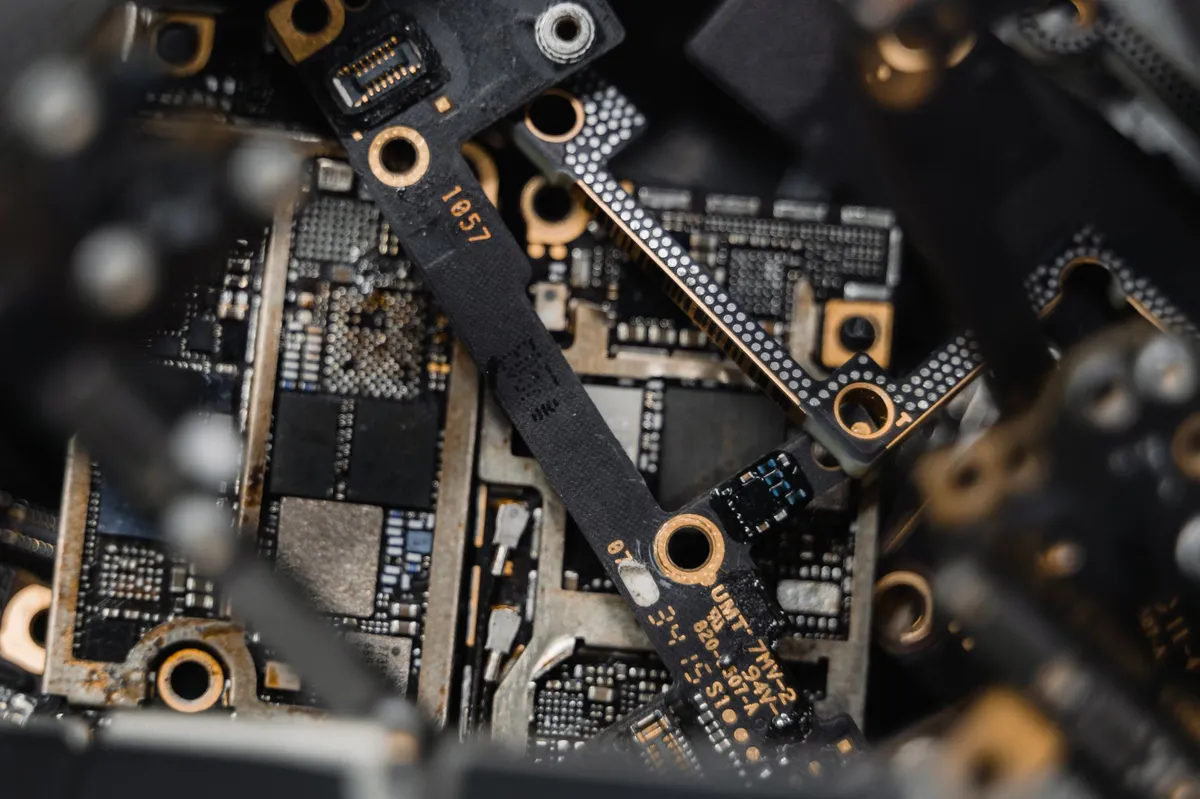
OpenAI's Response: A Defense Against the Claims
OpenAI has responded strongly to Apple's allegations, stating that they are unaware of any evidence suggesting that the lawsuit has merit. In a public statement, OpenAI stressed its commitment to fair competition and innovation, asserting that their focus remains on developing technology that empowers users globally. The company emphasized that it has no interest in stealing trade secrets from competitors.
OpenAI's position is rooted in the belief that the tech industry thrives on fair competition and that employees should have the freedom to pursue opportunities wherever they choose. By distancing itself from the alleged actions of its hardware chief, OpenAI aims to maintain its reputation as a leader in ethical AI development. The firm’s response indicates a willingness to fight back against what it perceives as unfounded claims while underscoring its commitment to innovation.

The Legal Landscape: Trade Secrets and Employee Mobility
This lawsuit brings to light important issues surrounding trade secrets and employee mobility, particularly in the tech sector. Trade secrets are defined as confidential business information that provides a competitive edge, and their protection is crucial for companies that invest heavily in research and development. The legal framework surrounding trade secrets is complex, with variations across states and jurisdictions.
The Uniform Trade Secrets Act (UTSA) provides a foundation for trade secret protection in many states, but the specifics of each case can vary widely. Companies must demonstrate that they have taken reasonable measures to protect their trade secrets and that the information in question is indeed confidential. In cases of alleged theft, the burden of proof typically lies with the accuser, in this case, Apple.
Employee mobility is another contentious issue, as many tech companies actively recruit talent from their competitors to gain insights and expertise. While employees are generally free to leave for new opportunities, they must do so without taking proprietary information with them. This balance between fostering innovation and protecting intellectual property is delicate and often leads to legal disputes.
Implications for the Tech Industry
The outcome of this lawsuit could set significant precedents for the tech industry as a whole. If Apple’s claims are substantiated, it could result in stricter scrutiny of employee recruitment practices and trade secret protections. On the other hand, if OpenAI prevails, it may reinforce the notion that ethical competition and innovation should take precedence over restrictive practices aimed at protecting proprietary information.
This case also underscores the broader implications of competition in the tech sector. As companies like OpenAI push the envelope on artificial intelligence, the need for clear guidelines and regulations becomes more pressing. Stakeholders must consider how best to protect their intellectual property while fostering an environment that encourages collaboration and innovation.

Key Takeaways
- Allegations of Trade Secret Theft: Apple has accused OpenAI of stealing proprietary technology and recruiting employees unethically.
- OpenAI's Defense: OpenAI claims to be unaware of any evidence supporting Apple’s lawsuit and emphasizes its commitment to fair competition.
- Legal Framework: The case highlights the complexities of trade secret laws and employee mobility in the tech sector.
- Industry Implications: The lawsuit's outcome may set important precedents for how companies protect intellectual property.
Frequently Asked Questions
What are trade secrets, and why are they important?
Trade secrets refer to confidential business information that gives a company a competitive advantage. This can include processes, formulas, designs, or any information that is not generally known to the public. Protecting trade secrets is crucial for companies, especially in industries like technology, where innovation and proprietary information are key to maintaining market leadership. Legal protections ensure that companies can safeguard their investments in research and development.
How does employee mobility impact trade secret protection?
Employee mobility can present challenges for companies in protecting their trade secrets. When employees transition from one company to another, they may take valuable knowledge and insights with them. While employees have the right to seek new opportunities, they must refrain from transferring proprietary information. Companies often implement non-disclosure agreements (NDAs) and non-compete clauses to mitigate risks, but enforcing these agreements can be complex and varies by jurisdiction.
What could be the potential consequences for OpenAI if Apple wins the lawsuit?
If Apple successfully proves its allegations against OpenAI, the consequences could be severe. OpenAI may face financial penalties, be required to cease certain operations, or even be forced to change its hiring practices. A ruling against OpenAI could also damage its reputation and undermine trust with potential partners and investors. Additionally, it may encourage other companies to pursue similar legal actions, creating a ripple effect across the industry.
How can companies protect their trade secrets?
To effectively protect trade secrets, companies should implement robust security measures, such as access controls, employee training, and confidentiality agreements. Establishing a culture of trust and ethical behavior is also essential. Regular audits and monitoring can help identify potential vulnerabilities. Furthermore, companies should be prepared to take legal action if they suspect a breach of their trade secrets to deter future incidents.
Comments
Coalition Launches Enhanced Cyber Insurance for Large Enterprises
In response to growing digital threats, Coalition introduces Active Cyber Insurance for Enterprises, offering up to $25 million in coverage for large U.S. businesses. This innovative solution comes on the heels of a strategic partnership with Allianz, aiming to bolster cyber resilience in an increasingly complex threat landscape.

Related articles






Popular in Business Insurance
- Surging War-Risk Insurance Rates in the Strait of Hormuz: What It Means for Shipping
- Ross & Yerger Insurance Faces Class Action Over Data Breach Allegations
- Sompo Expands U.S. Workers' Compensation Portfolio with Service Insurance Acquisition
- Legal Battle Unfolds Over $1 Million Truck Crash Insurance Payout
- Howden Group's Ambitious Journey Toward IPO and Expansion