Final Stages of Air India Crash Investigation: What We Know So Far
As the investigation into the tragic Air India crash nears completion, key findings and analysis are being revealed. This article explores the implications of the cockpit voice recorder and psychological evaluations.

The investigation into the catastrophic Air India crash that claimed the lives of 260 individuals is entering its final phases, as reported by India’s Aircraft Accident Investigation Bureau (AAIB). This tragic event, which occurred shortly after takeoff from Ahmedabad, has left families and the aviation community seeking answers. As investigators sift through the cockpit voice recorder transcripts and psychological evaluations of the crew, the findings could reshape how safety protocols are approached in aviation.
The recent updates indicate that the AAIB has made significant strides in the investigation, conducting interviews with pilots, technical personnel, and air traffic controllers, all while facing the daunting task of separating fact from speculation. As the investigation approaches completion, it is essential to understand the broader implications of these findings, not only for Air India but for the global aviation industry.
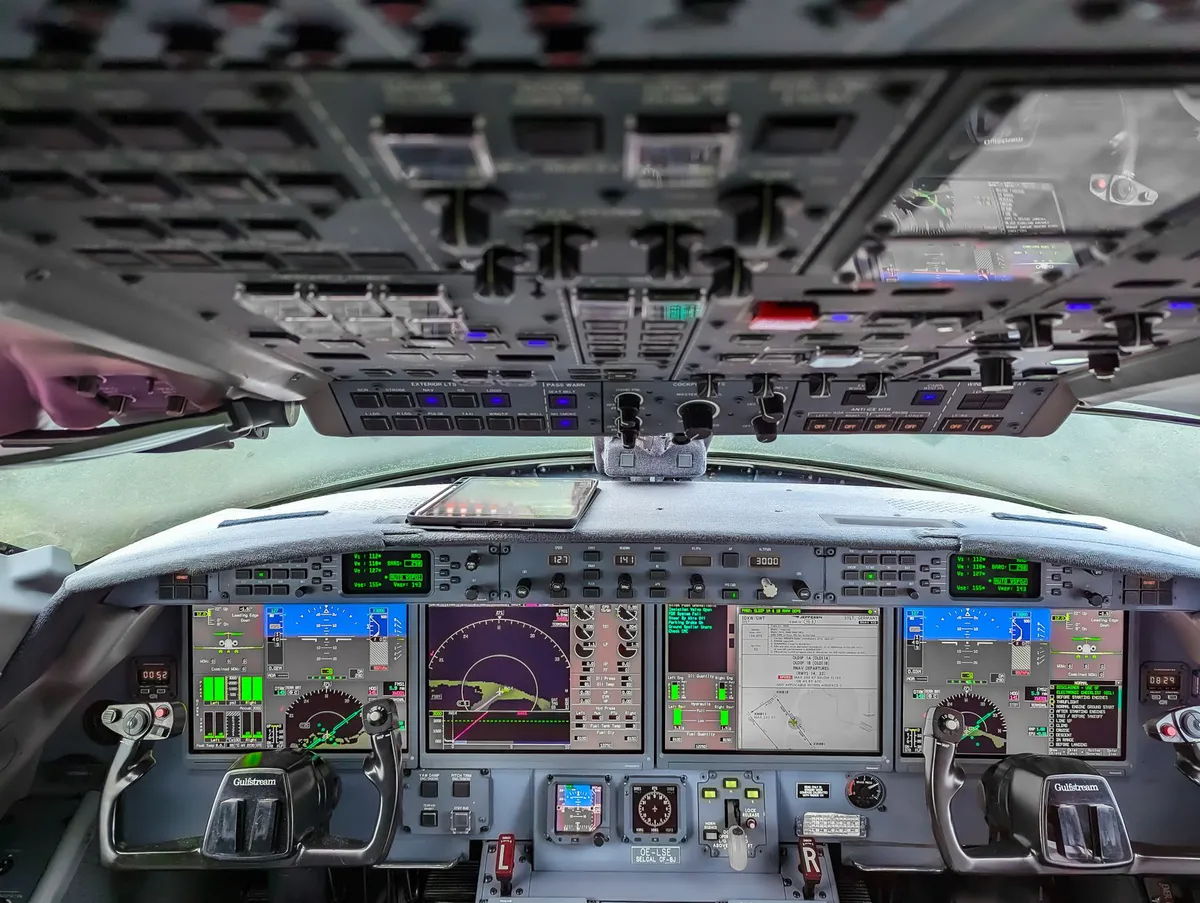
Understanding the Investigation Process
The AAIB has a structured methodology for investigating aviation accidents, which includes gathering evidence, interviewing witnesses, and analyzing data. A significant part of this process involves reviewing the cockpit voice recorder, which captures critical dialogue between pilots during flight. In this case, the recording reportedly suggested that the captain may have cut the fuel flow to the engines—an act that could have precipitated the crash.
The Role of Cockpit Voice Recorders
Cockpit voice recorders (CVRs) are crucial in understanding the circumstances leading up to an aviation incident. These devices record conversations between pilots and can offer insights into decision-making processes during critical moments. The AAIB is currently analyzing the transcripts of the CVR to ascertain the sequence of events and the mental state of the flight crew at the time of the crash.
Psychological Autopsy: A New Approach in Aviation Safety
One of the notable aspects of this investigation is the psychological autopsy conducted on the crew. This procedure involves examining the psychological state of individuals involved in the incident to identify any factors that might have influenced their actions. Although specific findings from the psychological reviews have not yet been disclosed, the AAIB has highlighted its importance in understanding the human factors that could contribute to aviation accidents.
Challenges in the Investigation
The investigation process has not been without its challenges. The AAIB has mentioned that media speculation surrounding pilot culpability has led to witnesses becoming “restrictive and non-responsive.” This highlights the delicate balance investigators must maintain to ensure transparency while protecting the integrity of the probe. Furthermore, the AAIB is still awaiting data from the engine monitoring unit and is assessing organizational factors that may have played a role in the crash.

Legal Implications and Familial Impact
With the investigation underway, legal ramifications are beginning to surface. One poignant aspect of the probe is the emotional toll on the families of the flight crew. Pushkar Raj Sabharwal, father of the captain, expressed distress over implications made during early investigations suggesting his son’s actions may have led to the crash. His subsequent lawsuit has emphasized the need for sensitivity and clarity throughout the investigative process.
Impact on Air India and Regulatory Bodies
The findings from this investigation will not only affect Air India but could also lead to changes in regulations and safety protocols across the aviation industry. The U.S. National Transportation Safety Board (NTSB) is among the agencies that will receive the draft final report, indicating the international implications of the case. Aviation authorities worldwide may look to these findings to enhance safety measures and prevent future tragedies.

What’s Next for the Investigation
As the AAIB states, the investigation is currently in the analysis phase, with a draft report expected to be circulated by October. This report will undergo review by participating countries, which may offer additional insights or request clarifications. The final publication of the report could lead to significant changes in pilot training, aircraft maintenance protocols, and regulatory oversight.
Public Interest and Media Coverage
The media has played a critical role in shaping public perception of the investigation. However, the AAIB has cautioned against premature conclusions drawn from speculative reporting. The aviation community, along with the general public, is relying on the thoroughness of the investigation to provide clarity and prevent similar accidents in the future.

Key Takeaways
- The investigation into the Air India crash is nearing completion. Findings from the cockpit voice recorder and psychological evaluations are critical.
- Legal challenges are emerging as families of victims seek answers and accountability.
- International implications could arise from the findings, affecting aviation safety regulations globally.
- Transparency and thoroughness in the investigation are vital to restoring public trust in aviation safety.
Frequently Asked Questions
What is a psychological autopsy and why is it conducted?
A psychological autopsy is an investigative technique used to understand a person's mental state before a critical incident, such as an aviation accident. This is done by reviewing various factors including personal history, psychological evaluations, and situational pressures. In aviation, it helps to identify human factors that may contribute to errors in judgment or decision-making during flight.
How does the cockpit voice recorder contribute to investigations?
The cockpit voice recorder (CVR) captures all audio in the cockpit, including pilot conversations, alarms, and ambient sounds. Analyzing the CVR can reveal critical details about the pilots' actions leading up to an incident, helping investigators understand the sequence of events and the decision-making process during the flight.
What are the implications of this investigation for Air India?
The findings from this investigation could lead to significant changes in Air India’s operational protocols, training programs, and safety measures. Depending on the conclusions drawn, there may also be legal ramifications and a shift in how the airline approaches risk management and crew training in the future.
Why is the AAIB’s investigation significant for global aviation?
The findings of the AAIB’s investigation into the Air India crash could have far-reaching implications for the entire aviation industry. If systemic issues are identified, it may prompt regulatory bodies around the world to revise safety standards, training protocols, and emergency response procedures, ultimately enhancing the safety of air travel for everyone.
Comments
Revolutionizing Wildfire Risk Modeling: The Delos Approach
Delos Insurance Solutions is redefining wildfire risk assessment by moving away from traditional historical data reliance and embracing a science-based, human-centric model. This innovative approach not only enhances prediction accuracy but also prepares the industry for the realities of climate change and human impact.

Related articles







Popular in Business Insurance
- Surging War-Risk Insurance Rates in the Strait of Hormuz: What It Means for Shipping
- Ross & Yerger Insurance Faces Class Action Over Data Breach Allegations
- Sompo Expands U.S. Workers' Compensation Portfolio with Service Insurance Acquisition
- Legal Battle Unfolds Over $1 Million Truck Crash Insurance Payout
- Howden Group's Ambitious Journey Toward IPO and Expansion