Revolutionizing Wildfire Risk Modeling: The Delos Approach
Delos Insurance Solutions is redefining wildfire risk assessment by moving away from traditional historical data reliance and embracing a science-based, human-centric model. This innovative approach not only enhances prediction accuracy but also prepares the industry for the realities of climate change and human impact.

In an era marked by increasingly volatile climate conditions and devastating wildfires, the insurance industry faces a critical challenge: accurately assessing wildfire risk to protect insured properties and lives. Traditional wildfire risk modeling has primarily relied on historical loss data, which often fails to capture the complexities of fire behavior in areas previously deemed low-risk. Delos Insurance Solutions, however, is turning the tide on this outdated methodology. By employing a science-based risk assessment model, Delos is not only identifying potential risks in overlooked areas but also setting a new standard for how insurers approach wildfire threats.
Andrew Notohamiprodjo, chief data officer at Delos, explains that the conventional method of treating fire as a general peril has led to significant gaps in risk assessment. He states, "The majority of losses don't happen in that general 85% of behavior; it happens at the 1% of the 1%." With catastrophic fires striking places previously considered safe, such as the Palisades and the region affected by the Camp Fire, it is evident that a reevaluation of risk modeling is overdue.
Understanding the Limitations of Historical Data
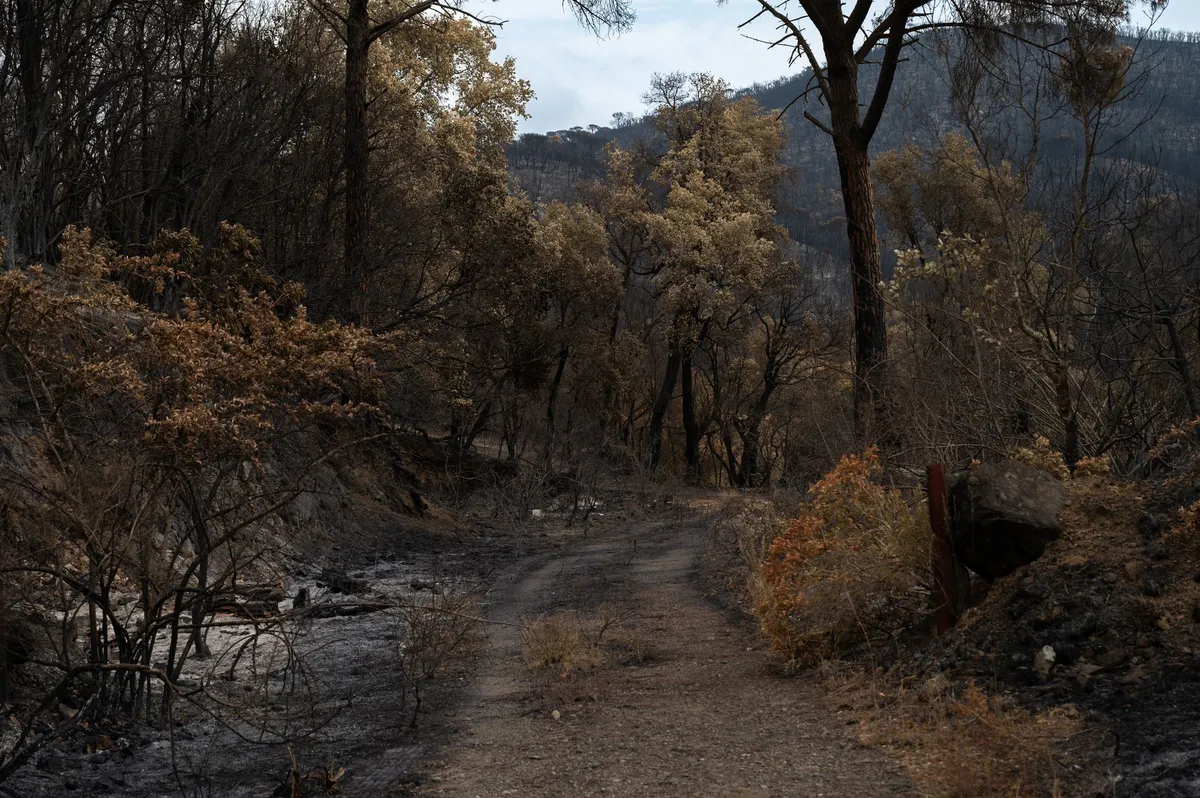
Wildfire risk modeling has historically utilized data from past incidents to predict future occurrences, which poses several limitations. Areas that have not experienced significant fires may be incorrectly categorized as low-risk, while regions with a single past event may be overrepresented in risk assessments. Notohamiprodjo notes that this discrepancy can result in misguided insurance premiums and coverage decisions.
For instance, the Palisades area was flagged as a lower-risk zone simply because no large fires had occurred there since 1985. Conversely, Oakland was identified as a high-risk area due to a single historical event, despite subsequent mitigation efforts. This inconsistency highlights the need for a more dynamic and comprehensive risk assessment model.
A Science-Based Approach to Wildfire Risk
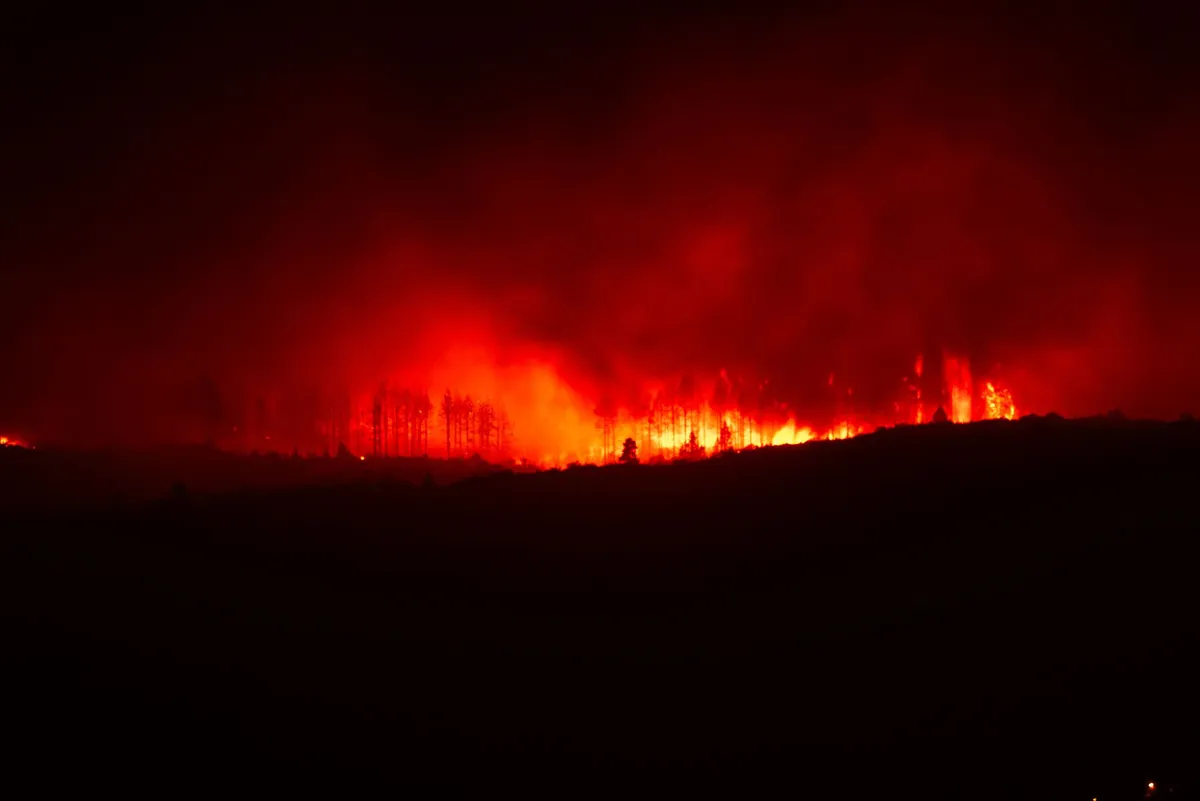
Delos Insurance Solutions has developed a robust wildfire risk model in collaboration with a research think tank, focusing on simulating the worst-case scenarios for specific locations rather than relying on historical data alone. This innovative model incorporates a variety of factors, including:
- Human Ignition Sources: Recognizing that approximately 85% of all wildfires are human-caused, the model integrates data on human activities that could lead to fire ignition.
- Suppression Response: Evaluating the effectiveness of local firefighting capabilities and response times is crucial for assessing risk accurately.
- Evacuation Behavior: Understanding how residents are likely to respond in emergency situations can influence risk levels.
- Property Protection Efforts: Analyzing how well properties are equipped to withstand wildfires can significantly alter risk assessments.
This multidimensional approach allows Delos to create a more accurate representation of wildfire risk. Notohamiprodjo emphasizes that science plays a pivotal role throughout the modeling process, with a dedicated team reviewing every aspect of the model's outputs to ensure accuracy.
The Role of Technology in Wildfire Modeling
Delos has harnessed advanced technology to enhance its risk modeling capabilities. The company operates a cloud-based data lakehouse and machine learning infrastructure, enabling scientists to run numerous simulation models efficiently. This technological foundation streamlines the review process and allows for a more agile response to emerging risks.
According to Notohamiprodjo, the advent of large language models (LLMs) has improved cross-departmental communication and expedited the analysis of log outputs. AI technology assists in sifting through vast amounts of data to identify meaningful signals, allowing teams to focus on critical insights rather than getting lost in the noise of excessive information. Notohamiprodjo states, "What AI allows Delos to do is scale the busy work," indicating that this capability is vital in maintaining an edge in wildfire catastrophe modeling.

The Future of Wildfire Risk Assessment
As Delos looks to expand its wildfire risk model across various catastrophe-prone regions in the western United States, the existing model, which has been operational for about two years, requires minimal adjustments for broader applications. Notohamiprodjo highlights that while the wildfire model is specifically tailored for fire risk, it is part of a larger suite of tools that include hazard assessment, probable maximum loss calculations, pricing strategies, and underwriting products.
However, Notohamiprodjo is clear that the wildfire model will not be retrofitted to address other perils such as floods, hurricanes, or earthquakes. Instead, he advocates for a specialization approach, asserting that each peril should be modeled by experts in that specific field. He states, "Flood people are modeling flood, not health actuaries being asked to pivot," emphasizing the importance of having specialists dedicated to understanding the nuances of their respective risks.
Key Takeaways
- Delos Insurance is pioneering wildfire risk modeling by moving away from historical data reliance.
- The company's approach incorporates human behavior and response factors into risk assessments.
- Advanced technology and AI are enhancing the efficiency of risk modeling processes.
- Specialization is crucial; each peril requires dedicated experts to ensure accuracy in risk assessments.
- The future of insurance modeling lies in a solid foundation of scientific expertise and innovative technology.
Frequently Asked Questions
What makes Delos's wildfire risk model different from traditional methods?
Delos's wildfire risk model diverges from traditional methods by abandoning the reliance on historical loss data. Instead, it focuses on a science-based framework that simulates worst-case scenarios and incorporates human factors, such as ignition sources and evacuation behaviors, providing a more nuanced understanding of wildfire risk.
How does technology play a role in Delos's risk modeling?
Technology is integral to Delos's risk modeling approach. The company utilizes a cloud-based data lakehouse and machine learning operations that allow for efficient simulation modeling and data analysis. AI tools enhance communication and streamline the review process, enabling scientists to focus on critical insights while automating routine tasks.
Why is specialization important in peril modeling?
Specialization is vital in peril modeling because each type of risk—be it wildfire, flood, or earthquake—has unique characteristics and factors that influence its behavior. Having experts dedicated to specific perils ensures that risk assessments are accurate and informed by the latest research and techniques relevant to that peril.
What can insurers learn from Delos's approach to wildfire risk?
Insurers can learn the importance of adopting innovative and science-based approaches to risk assessment. By moving beyond outdated methodologies and embracing technology and specialization, insurance companies can better prepare for emerging risks, improve their underwriting processes, and ultimately offer more effective coverage to policyholders.
Comments
The Crucial Role of APIs in Insurance Transformation
As the insurance industry rushes to adopt AI and cloud technologies, the often-overlooked role of application programming interfaces (APIs) is becoming critical. Understanding how APIs function can make or break a carrier's transformation efforts.

Related articles





Popular in Business Insurance
- Surging War-Risk Insurance Rates in the Strait of Hormuz: What It Means for Shipping
- Ross & Yerger Insurance Faces Class Action Over Data Breach Allegations
- Sompo Expands U.S. Workers' Compensation Portfolio with Service Insurance Acquisition
- Legal Battle Unfolds Over $1 Million Truck Crash Insurance Payout
- Howden Group's Ambitious Journey Toward IPO and Expansion