New Electric Vehicles Revitalize U.S. Market Amid Challenges
Toyota and Subaru's new EV models are breathing life into a struggling electric vehicle market in the U.S., amidst rising gas prices and shifting consumer preferences.
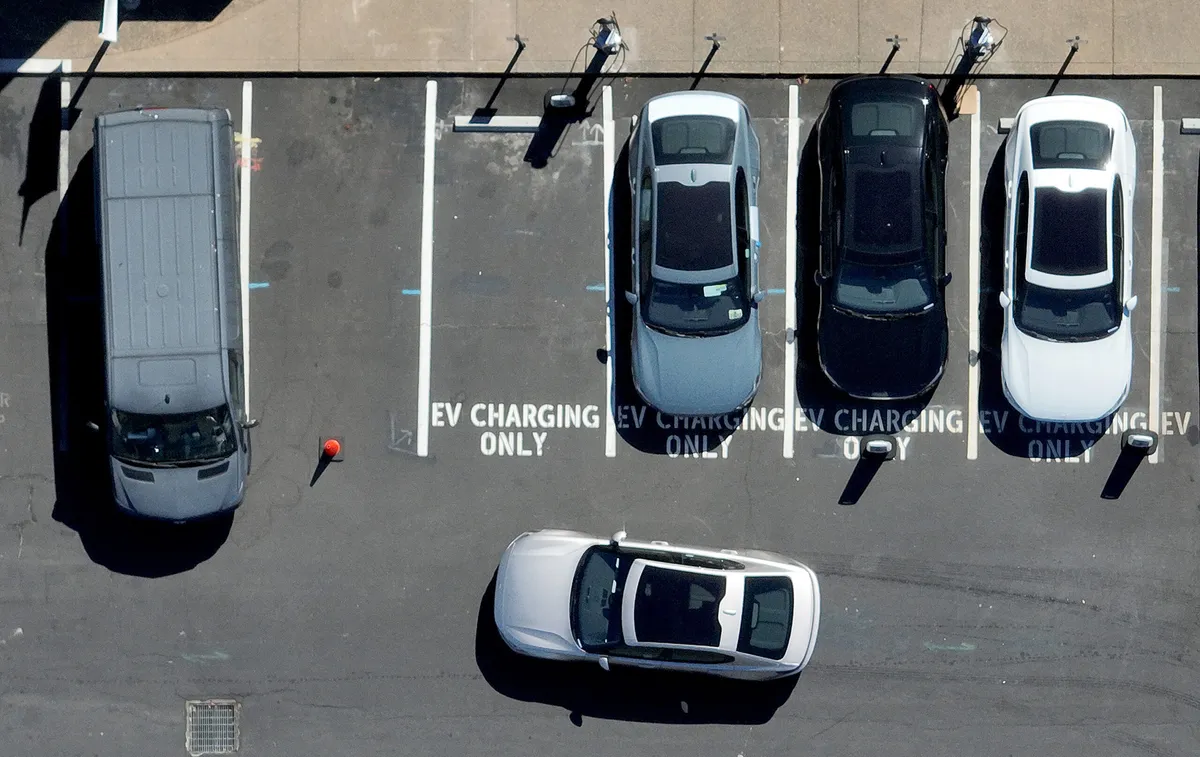
The U.S. electric vehicle (EV) market is experiencing a resurgence, thanks to the recent launch of innovative models from major manufacturers like Toyota and Subaru. After a tumultuous period marked by fluctuating demand and external economic pressures, these new entrants are poised to invigorate consumer interest in battery-powered vehicles. In the second quarter of 2026 alone, Toyota’s EV sales tripled, with the introduction of models such as the BZ Woodland and C-HR, while Subaru’s new Trailseeker and Uncharted models contributed to a doubling of its EV sales. This revival signals a pivotal moment for the EV sector, hinting at a potential shift in consumer sentiment towards more sustainable automotive solutions.
The total sales of battery-powered vehicles in the U.S. reached 247,226 units during this quarter, marking a 15% increase over the first quarter of the year—a period typically characterized by slower sales. Although this figure reflects a decline of over 20% compared to the same quarter last year, it represents a significant recovery amidst broader industry challenges, particularly as federal incentives that have historically bolstered EV sales are waning.
Understanding the Market Shift
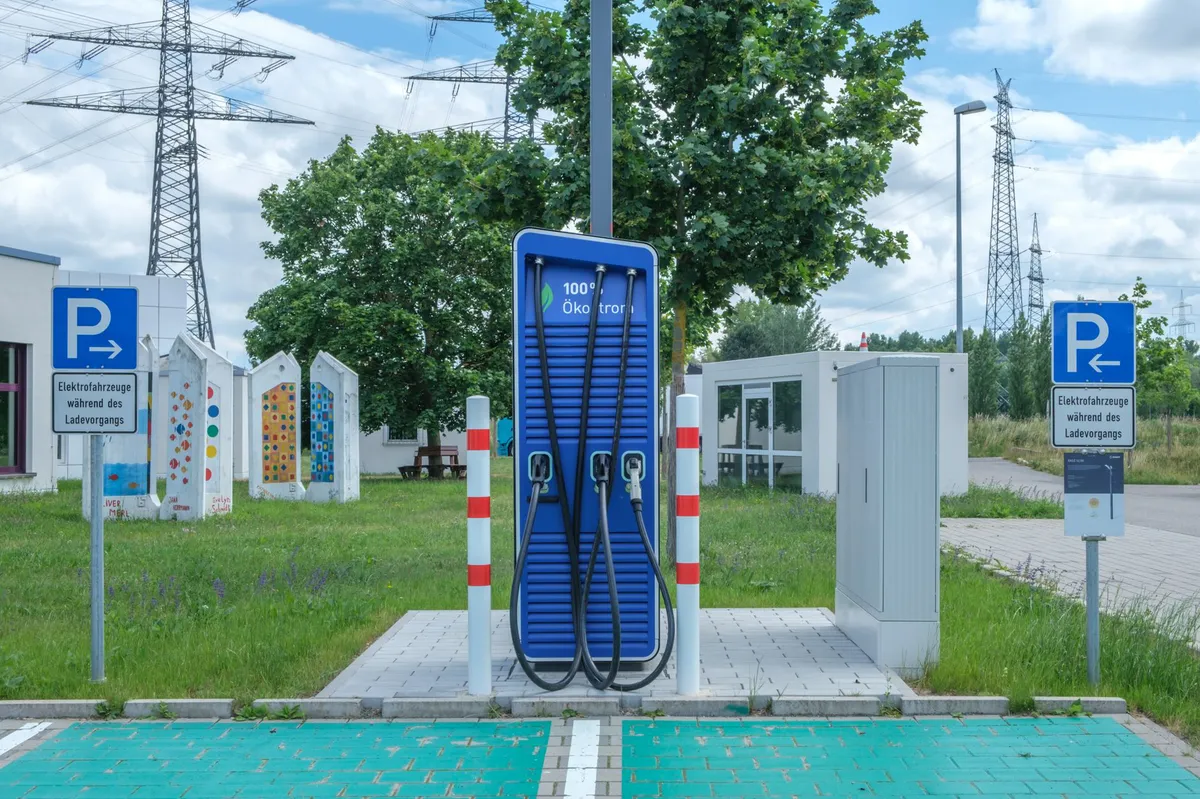
As the EV landscape evolves, various factors are influencing consumer behavior and market dynamics. Analysts have noted that the current geopolitical climate, particularly the ongoing conflict in Iran, has led to increasing prices at the gas pump. This situation has prompted consumers to reevaluate their transportation choices, with many turning to electric vehicles as a cost-effective alternative. According to Jess Senger, a senior research associate at Plug In America, consumers are increasingly drawn to the merits of EVs beyond just financial incentives.
The Role of Consumer Sentiment
Recent surveys indicate that 95% of EV owners find their cars to be cheaper to fuel and maintain compared to traditional gasoline vehicles. Furthermore, households that own both electric and gas-powered cars are reportedly driving their EVs more frequently. This shift in consumer sentiment is critical as it hints at a growing acceptance of EV technology, which has often been perceived as a niche market reserved for affluent buyers.
The Impact of New Models
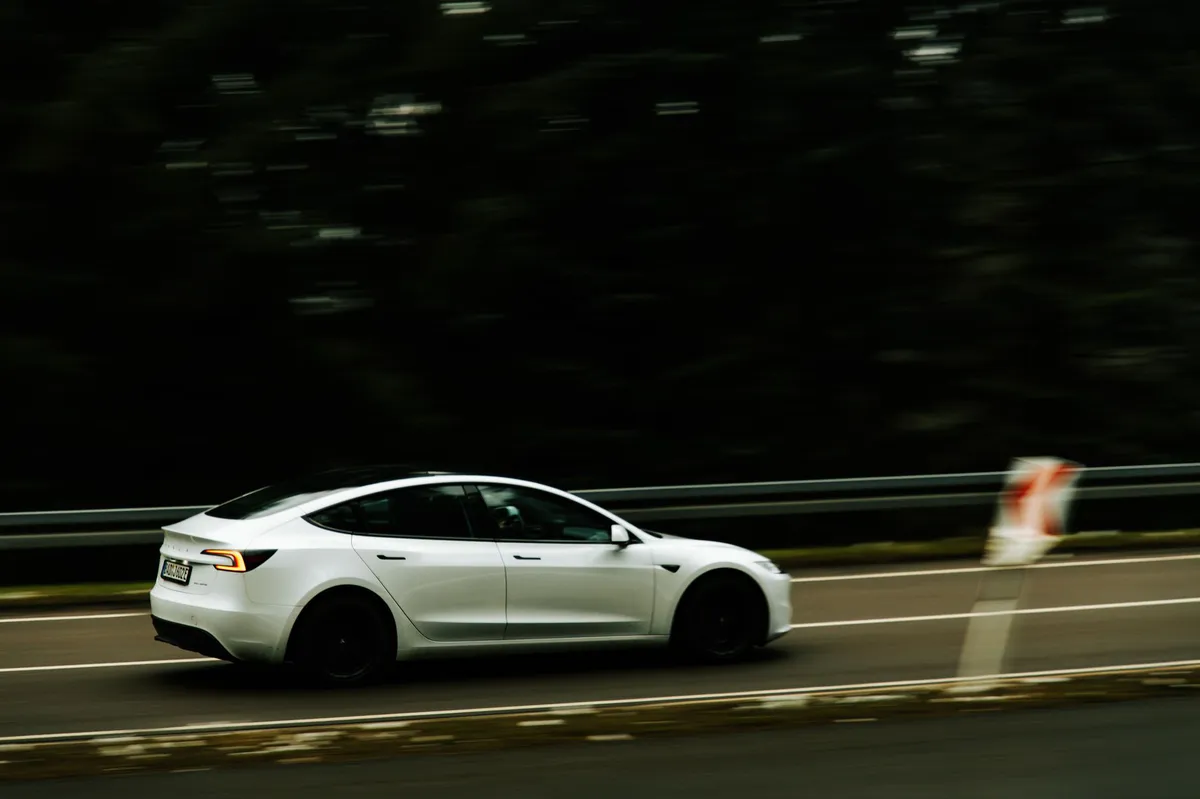
The introduction of new, family-friendly electric vehicles has played a significant role in driving sales. Models like Kia’s EV9 and Hyundai’s Ioniq 9, both featuring spacious interiors and three rows of seating, have attracted a large number of buyers—7,200 sales combined in the last quarter, more than double the previous year’s figures. This trend underscores the importance of offering versatile options that cater to a broader audience, particularly families looking for sustainable transportation solutions.
Regulatory and Economic Influences
The EV market is also grappling with regulatory shifts and economic influences. The previous administration’s rollback of federal incentives and clean-air regulations has had lasting effects on the industry. Nick Nigro, founder of Atlas Public Policy, highlights that current sales figures could potentially be double if not for those policy changes. The integration of new models from established players like Ford and Rivian is anticipated to further stimulate market demand, especially as consumers navigate the uncertainties in the fossil fuel market.
Used EV Market Thrives
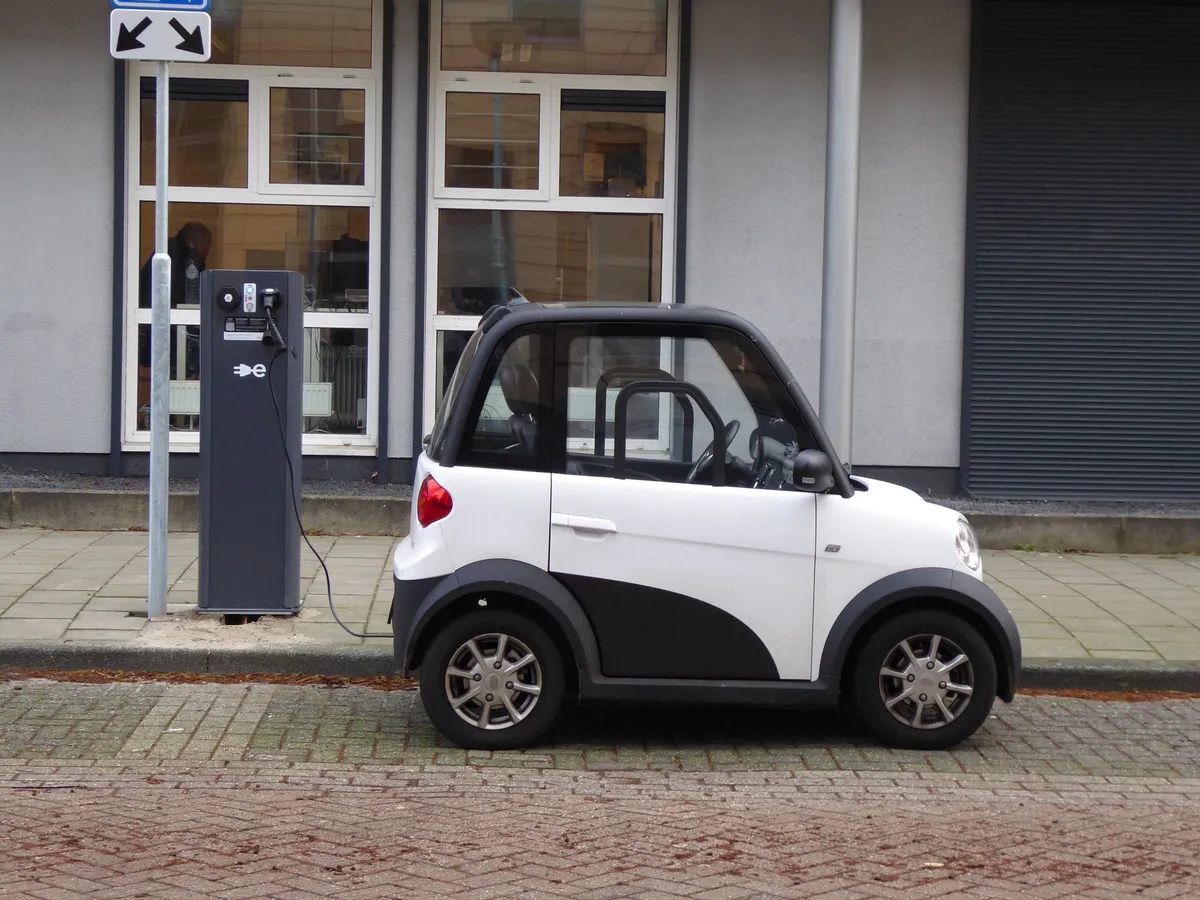
Interestingly, the second quarter of 2026 saw a substantial rise in used electric vehicle transactions, with a staggering 22% increase compared to the previous year. This surge in demand has contributed to a significant uptick in used EV prices, which have risen by 12% to an average of $38,342. This price point is notable as it remains competitive with used gas vehicles, making EVs more accessible to a wider range of consumers. The current state of the used EV market is an encouraging indicator of the growing acceptance of electric vehicles in the mainstream automotive landscape.
Shifting Perceptions
The evolving perception of electric vehicles is evident as stereotypes of EVs as luxury items for the wealthy are being challenged. The increasing availability of used EVs and their competitive pricing are key factors in altering consumer attitudes. The maturation of the pre-owned market serves as an important barometer for consumer confidence in EVs, suggesting that the narrative surrounding electric vehicles is shifting towards inclusivity and accessibility.
Key Takeaways
- New EV Models: Toyota and Subaru's latest offerings have significantly boosted sales.
- Consumer Sentiment: 95% of EV owners report lower fueling and maintenance costs compared to gas vehicles.
- Used EV Growth: Transactions for used EVs surged 22% in the second quarter of 2026.
- Market Dynamics: Rising gas prices and geopolitical tensions are influencing consumer choices.
- Shifting Perceptions: The stereotype of EVs being solely for wealthy individuals is changing.
Frequently Asked Questions
What are the new EV models launched by Toyota and Subaru?
In the second quarter of 2026, Toyota launched the BZ Woodland and C-HR, which contributed to a significant increase in its EV sales. Similarly, Subaru introduced the Trailseeker and Uncharted models, which helped double its EV sales during the same period. These new models are designed to cater to a wider audience, particularly families.
How are rising gas prices affecting EV sales?
The ongoing rise in gas prices, driven by geopolitical uncertainties, has prompted consumers to consider alternatives to traditional gasoline-powered vehicles. As a result, many are turning to electric vehicles, which are perceived to offer lower fuel and maintenance costs. This trend is evidenced by the increasing sales of new EV models and the growing interest in used EVs.
Why is the used EV market performing well?
The used EV market has experienced a 22% increase in transactions compared to the previous year, driven by rising demand and limited supply. Consequently, prices for used EVs have surged, making them a more attractive option for consumers. The average transaction price for a used EV has risen to $38,342, which is competitive with used gas vehicles, further encouraging buyers to consider electric options.
What impact do federal incentives have on EV sales?
Federal incentives have historically played a crucial role in supporting EV sales by making them more affordable for consumers. However, the rollback of these incentives in recent years has created challenges for the market. Analysts believe that without additional support, EV sales may stagnate. The introduction of new models and rising gas prices may help counter some of these challenges, but the lack of incentives remains a concern for potential buyers.
Comments
Revolutionizing Wildfire Risk Modeling: The Delos Approach
Delos Insurance Solutions is redefining wildfire risk assessment by moving away from traditional historical data reliance and embracing a science-based, human-centric model. This innovative approach not only enhances prediction accuracy but also prepares the industry for the realities of climate change and human impact.

Related articles







Popular in Business Insurance
- Surging War-Risk Insurance Rates in the Strait of Hormuz: What It Means for Shipping
- Ross & Yerger Insurance Faces Class Action Over Data Breach Allegations
- Sompo Expands U.S. Workers' Compensation Portfolio with Service Insurance Acquisition
- Legal Battle Unfolds Over $1 Million Truck Crash Insurance Payout
- Howden Group's Ambitious Journey Toward IPO and Expansion