Extreme Heat Waves Push Power Grids to the Limit Across the U.S.
As the U.S. grapples with extreme heat waves, power grids are under severe strain. This article explores the implications of rising temperatures, air quality issues, and the challenges faced by states like New York and California.
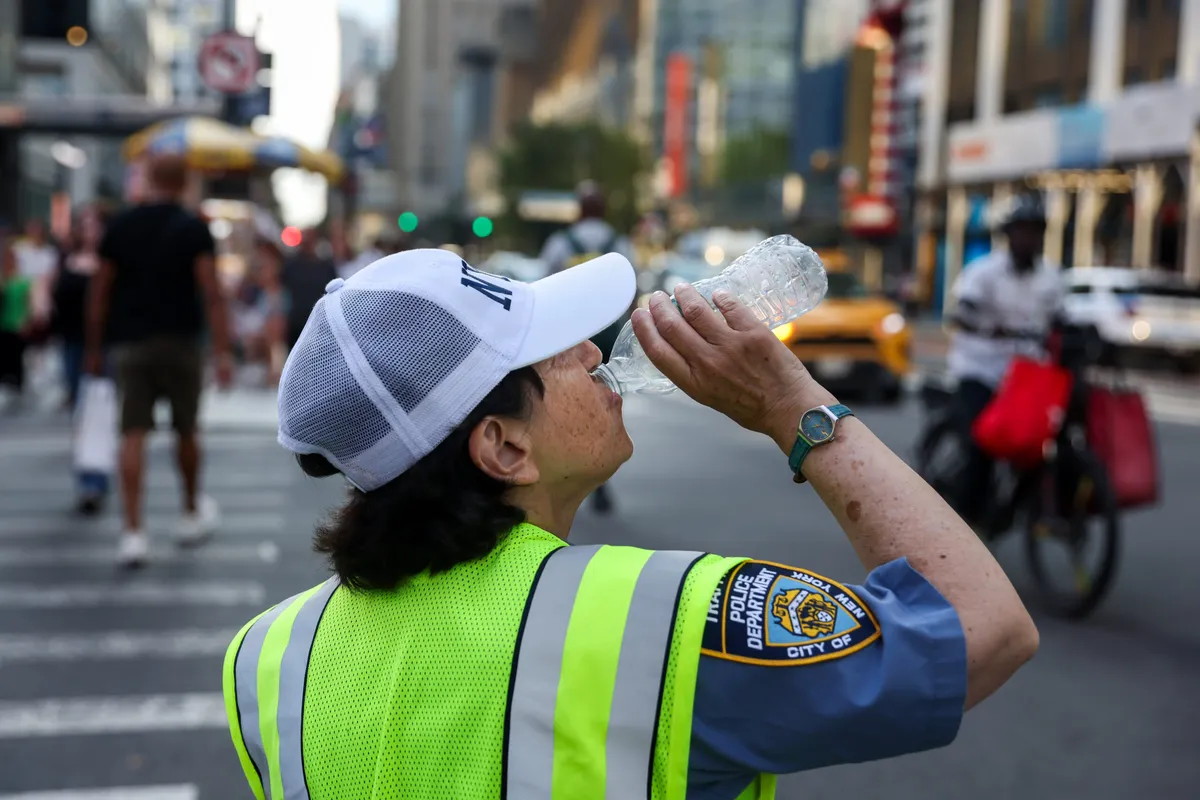
As summer descends upon the United States, so do the unforgiving temperatures that send communities scrambling for relief. Recent heat waves have pushed power grids to their limits in states like New York and California, raising concerns about electricity supply, public health, and environmental safety. With heat indices soaring into dangerous levels, the effects of this extreme weather not only impact energy consumption but also introduce a host of challenges including air quality deterioration, increased wildfire risks, and potential disruptions in transportation and logistics. In this article, we will explore how these extreme heat events manifest, their implications for power infrastructure, and what individuals and communities can do to mitigate risks.
Understanding the Heat Wave Crisis
This summer has seen some of the highest recorded temperatures across various regions in the U.S., with forecasts predicting that cities like Washington, D.C., and New York may experience heat indices exceeding 100°F (38°C). Bob Oravec, a senior forecaster at the U.S. Weather Prediction Center, noted that this week could be among the hottest for New York City, creating an urgent need for cooling measures.
In California, the situation is similarly dire, with parts of Southern California facing extreme heat warnings. The National Weather Service has predicted temperatures reaching as high as 95°F in downtown Los Angeles. Such heat not only prompts increased electricity demand but also raises health risks, particularly for vulnerable populations such as the elderly and those with pre-existing health conditions.

Power Grids Under Stress
PJM Interconnection, which oversees the electricity supply in the Mid-Atlantic and Midwest regions, has issued a hot weather alert as demand for electricity surges. As residents crank up their air conditioning units to cope with the sweltering heat, the strain on power grids becomes increasingly evident. With many utilities operating on thin margins, the risk of outages rises during these extreme weather events.
Moreover, New Jersey Transit has cautioned riders about potential delays due to heat-related issues affecting train operations. These disruptions can ripple through communities, affecting businesses and daily commuters alike. The challenges posed by extreme heat extend beyond mere discomfort; they can lead to significant economic losses and strain public services.
Environmental Impact and Air Quality Concerns
As temperatures rise, so does the risk of environmental crises. Wildfire smoke from ongoing fires in Canada has already begun to affect air quality across the Midwest and Northeast, with air quality alerts issued for several states, including New York. Residents with respiratory issues or heart conditions are particularly vulnerable to the adverse effects of poor air quality.
According to the U.S. Environmental Protection Agency (EPA), poor air quality can exacerbate health conditions, leading to increased hospital admissions and healthcare costs. The smoke from wildfires not only contributes to deteriorating air quality but also serves as a stark reminder of the broader implications of climate change and extreme weather events.
Wildfire Risks in California
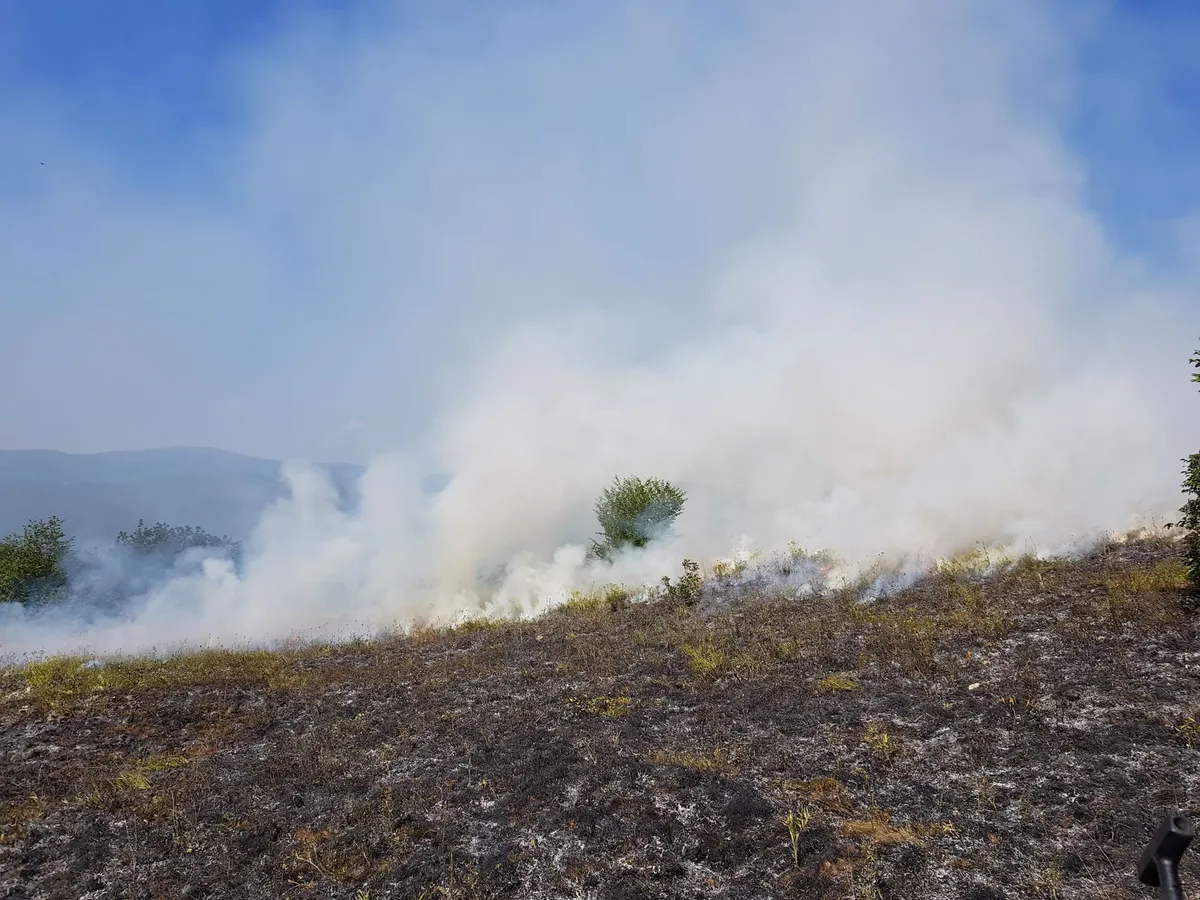
The elevated temperatures combined with dry winds have created a perfect storm for wildfires in California. The recent Elephant Fire, which has already consumed over 15,500 acres, illustrates the growing fire threat in the region. As the California Department of Forestry and Fire Protection continues to battle this blaze, the risks of additional fires remain high.
Governor Gavin Newsom has emphasized the need for preparedness and rapid response as the state braces for further heat waves and the accompanying fire threats. Communities are urged to stay informed about fire conditions and to have emergency plans in place.
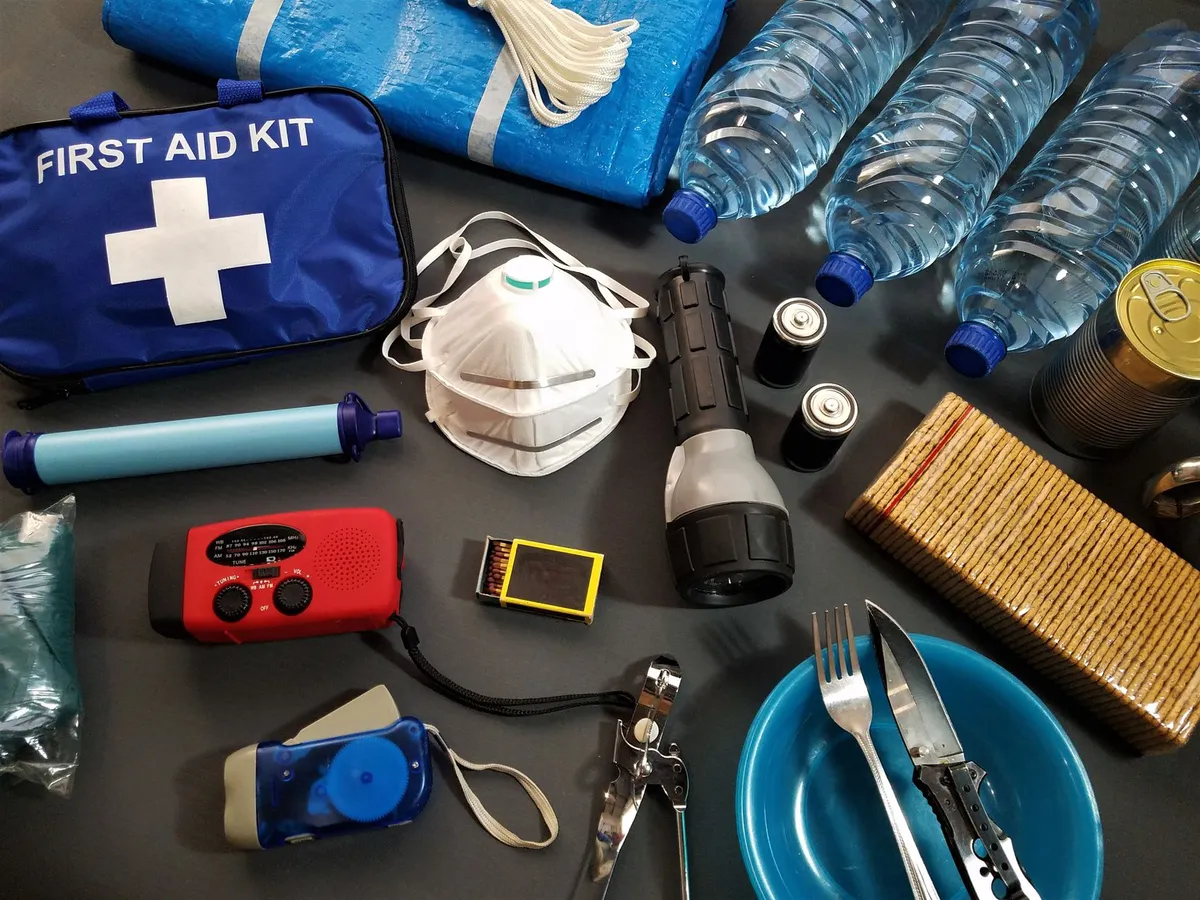
Key wildfire preparedness tips include:- Creating defensible space around homes by clearing vegetation.
- Having an emergency kit ready with essentials like water, food, and medications.
- Staying informed through local news and alerts regarding fire conditions and evacuation orders.
The Broader Implications of Extreme Heat
Extreme heat not only poses immediate risks to health and safety but also has long-term implications for infrastructure and public policy. As power grids face increasing strain due to rising temperatures, the need for investment in resilient infrastructure becomes more pressing. This includes upgrading grid technology, expanding renewable energy sources, and enhancing energy efficiency programs.
Moreover, local governments must consider the socio-economic impacts of extreme heat, particularly for low-income communities that may lack access to adequate cooling resources. Policies aimed at increasing public awareness of heat dangers and providing support services can help mitigate the effects on these vulnerable populations.
Key Takeaways
- Extreme heat is straining power grids across the U.S., particularly in New York and California.
- Air quality is deteriorating due to wildfire smoke, posing health risks to vulnerable populations.
- Wildfire threats are rising in California due to dry conditions and high temperatures.
- Preparedness and investment in resilient infrastructure are essential for managing climate-related challenges.
Frequently Asked Questions
How can individuals prepare for extreme heat events?
Individuals can prepare for extreme heat by staying informed about weather forecasts, ensuring access to cooling resources such as air conditioning or fans, and staying hydrated. Additionally, creating an emergency plan that includes a communication strategy and a list of essential contacts can be beneficial in case of power outages or other emergencies.
What steps are being taken to improve power grid resilience?
Utility companies and government agencies are increasingly investing in grid modernization efforts, such as upgrading transmission lines, integrating smart grid technology, and expanding renewable energy sources. These improvements are aimed at enhancing the reliability of power supply during extreme weather events.
What health risks are associated with poor air quality during heat waves?
Poor air quality can exacerbate respiratory conditions such as asthma and chronic obstructive pulmonary disease (COPD), leading to increased hospitalizations. Vulnerable populations, including the elderly and individuals with pre-existing health conditions, are at the greatest risk and should take precautions during periods of poor air quality.
How can communities support those most affected by extreme heat?
Communities can offer support through cooling centers, where residents can access air conditioning and hydration. Public awareness campaigns can also educate residents about the risks of extreme heat and the importance of checking on vulnerable neighbors, such as the elderly or those with chronic health issues.
Comments
Revolutionizing Wildfire Risk Modeling: The Delos Approach
Delos Insurance Solutions is redefining wildfire risk assessment by moving away from traditional historical data reliance and embracing a science-based, human-centric model. This innovative approach not only enhances prediction accuracy but also prepares the industry for the realities of climate change and human impact.

Related articles







Popular in Business Insurance
- Surging War-Risk Insurance Rates in the Strait of Hormuz: What It Means for Shipping
- Ross & Yerger Insurance Faces Class Action Over Data Breach Allegations
- Sompo Expands U.S. Workers' Compensation Portfolio with Service Insurance Acquisition
- Legal Battle Unfolds Over $1 Million Truck Crash Insurance Payout
- Howden Group's Ambitious Journey Toward IPO and Expansion