Urgent Call for FEMA Reform: NAMIC Advocates for Proactive Disaster Management
The National Association of Mutual Insurance Companies urges Congress to pass the Fixing Emergency Management for Americans Act, advocating for enhanced disaster prevention measures and a streamlined FEMA process amid a growing backlog of disaster declarations.
As the frequency and severity of natural disasters increase, the call for reforming the Federal Emergency Management Agency (FEMA) has never been more urgent. The National Association of Mutual Insurance Companies (NAMIC) is leading the charge, urging Congress to swiftly pass the Fixing Emergency Management for Americans Act, known as H.R. 4669. The legislation aims to shift the focus of federal disaster policy from mere response to proactive prevention, a necessary change in light of the escalating climate crisis and the mounting backlog of disaster-related issues.
Brian Waller, vice president of external relations at Shelter Insurance, recently testified before the House Transportation and Infrastructure Committee on behalf of NAMIC, emphasizing the need for a comprehensive approach to emergency management that involves all stakeholders. His testimony brought to light the staggering statistics surrounding FEMA's current operational challenges, including over 600 open disaster declarations dating back to 2020 and nearly $10 billion in unresolved reimbursement requests. These delays not only hinder recovery efforts but also exacerbate the suffering of individuals and communities affected by disasters.

The State of FEMA: A Backlogged Agency
FEMA's operational efficiency is under severe strain, exacerbated by a reduced workforce and a growing number of projects to manage. A recent analysis from the Bipartisan Policy Center revealed that FEMA is handling more than 300,000 projects across its open declarations, all while coping with a workforce that has shrunk by approximately 14% since January 2025. This staffing reduction, coupled with a record backlog of disaster declarations, has left many individuals waiting for assistance longer than necessary.
Impact on Disaster Victims
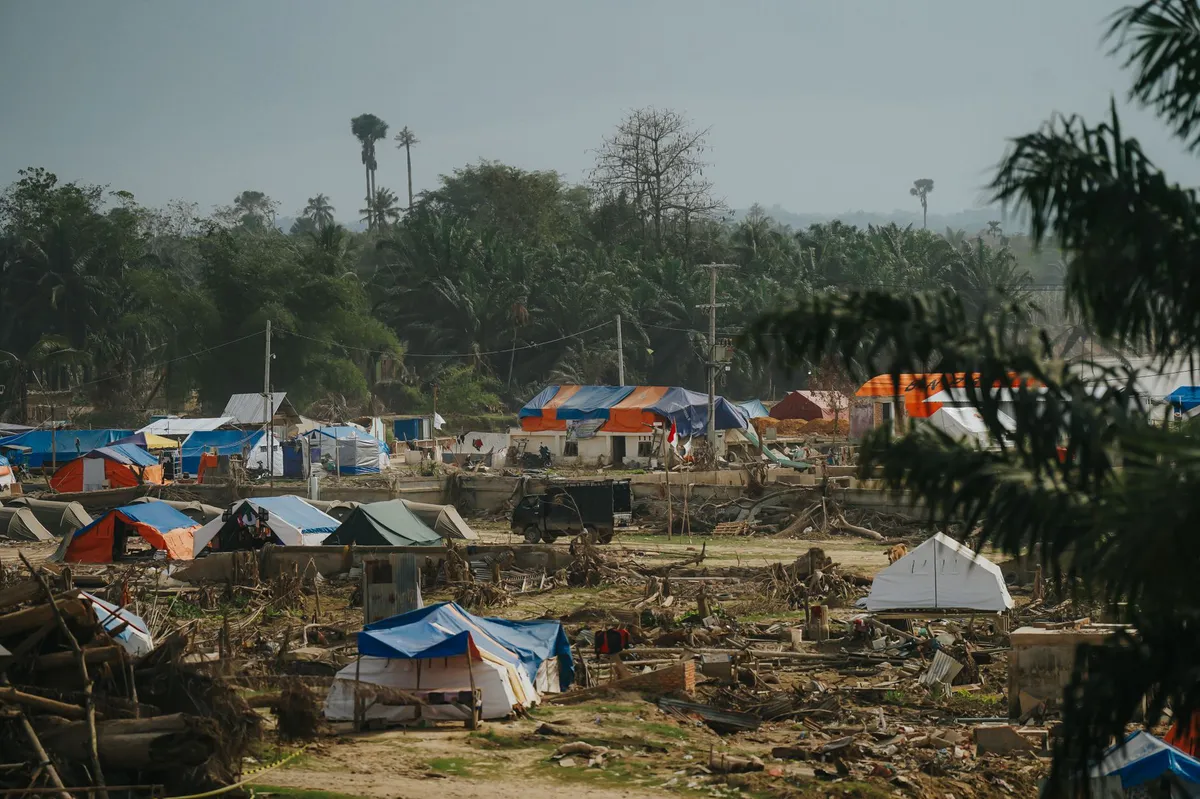
The repercussions of FEMA's inefficiencies are profound. Victims of disasters often find themselves trapped in bureaucratic limbo, waiting for aid that is crucial for their recovery. Waller pointed out that the lengthy paperwork and reimbursement processes not only delay financial support but can also lead to further deterioration of individuals’ living conditions as they struggle to rebuild their lives.
For example, imagine a family whose home was destroyed by a hurricane. They file a claim with FEMA, but due to the backlog, their application sits unresolved for months or even years. During this time, they may be unable to afford temporary housing, leading to added stress and hardship. The emotional toll of waiting for assistance can be just as damaging as the physical destruction caused by the disaster itself.
Proposed Solutions in H.R. 4669
The Fixing Emergency Management for Americans Act proposes a series of reforms aimed at enhancing both FEMA’s disaster prevention capabilities and its response mechanisms. Among the key provisions of the bill are:
- Improvement of Mitigation Grant Programs: The bill seeks to increase funding and streamline access to grant programs that support pre-disaster mitigation efforts, helping communities fortify their infrastructure against future disasters.
- Task Force for Backlog Clearance: A dedicated task force is proposed to tackle the existing backlog of disaster declarations, which would expedite the review and approval process for pending claims.
- Expedited Infrastructure Repairs: The legislation aims to fast-track repairs for critical infrastructure damaged by disasters, ensuring that communities can recover more swiftly.
- Simplified Application Process: The bill intends to overhaul the disaster aid application process, making it less cumbersome for disaster victims to access the help they need.
Bipartisan Support and Legislative Challenges
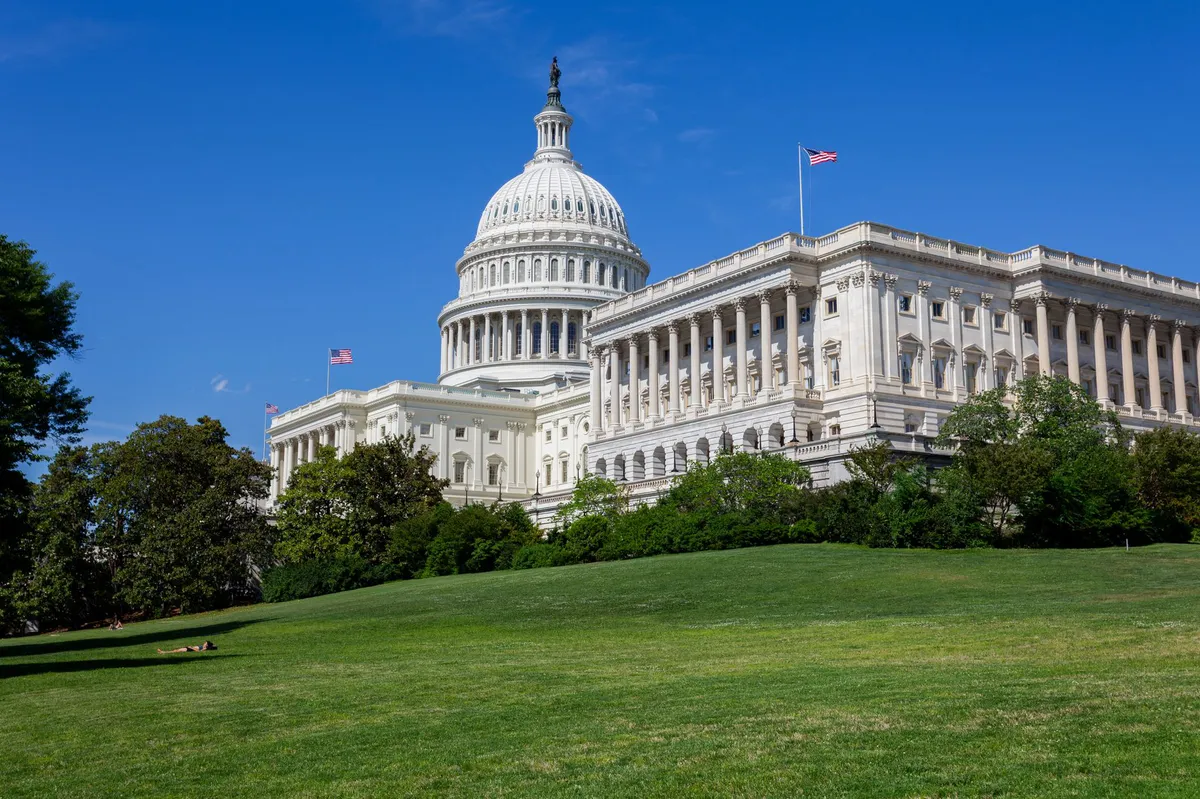
H.R. 4669 has garnered significant bipartisan support, having been approved by the House Transportation and Infrastructure Committee with a 57-3 vote in September 2025. It currently boasts 87 co-sponsors from both major political parties, indicating a growing consensus on the need for reform. However, while the committee has advanced the bill, it has yet to receive a vote on the House floor, and no companion legislation has been introduced in the Senate.
Jimi Grande, NAMIC's senior vice president of federal and political affairs, underscored the urgency of moving the bill forward, stating, "The longer Congress waits, the more Americans are put at risk." With the next disaster season approaching, the pressure is mounting for Congressional leaders to address the needs of disaster victims by bringing this critical legislation to a vote.
Operational Strain from Recent Challenges
The urgency of reforming FEMA has only intensified in light of recent operational pressures, including a record 76-day shutdown of the Department of Homeland Security (DHS). This shutdown disrupted FEMA's annual appropriations, creating additional challenges in managing disaster relief efforts. Although the DHS Appropriations Act passed on April 30, 2026, replenishing FEMA's Disaster Relief Fund with $26.4 billion, the damage from the shutdown will take months to rectify, leaving FEMA in a precarious position as it attempts to manage ongoing disaster responses amidst a backlog of claims.
Waller's testimony at the committee hearing emphasized the importance of a proactive approach to emergency management, stating, "Emergency management is at its best when all stakeholders are laser-focused on helping affected communities by bending the risk curve before and after storms." This sentiment reflects a growing recognition of the need for a shift in how disaster management is approached in the United States.
Key Takeaways
- The NAMIC is advocating for the passage of H.R. 4669 to reform FEMA’s disaster management practices.
- FEMA currently faces a backlog of over 600 disaster declarations and $10 billion in unresolved claims.
- The proposed legislation aims to improve disaster prevention measures and streamline aid processes.
- Bipartisan support exists, but the bill has yet to receive a vote in the House of Representatives.
- Operational challenges from recent governmental shutdowns further complicate FEMA’s ability to respond to disasters.
Frequently Asked Questions
What is the Fixing Emergency Management for Americans Act?
The Fixing Emergency Management for Americans Act, or H.R. 4669, is a proposed legislation aimed at reforming FEMA’s approach to disaster management. It focuses on enhancing pre-disaster mitigation efforts, expediting aid processes, and clearing the backlog of disaster declarations. By shifting the focus from merely responding to disasters to preventing them, the bill seeks to protect communities and improve recovery outcomes.
How does FEMA’s backlog affect disaster victims?
The backlog of disaster declarations means that many victims are left waiting for critical assistance that can help them rebuild their lives after a disaster. With over 600 open declarations and $10 billion in unresolved claims, individuals face lengthy delays in receiving the aid they desperately need, further exacerbating their challenges in recovery and rebuilding efforts.
Why is there bipartisan support for H.R. 4669?
Bipartisan support for H.R. 4669 stems from a shared recognition of the urgent need to reform FEMA and improve disaster management processes. Legislators from both parties understand that effective disaster prevention and response measures are essential for protecting communities and minimizing the impact of future disasters, making it a priority issue that transcends party lines.
What are some key provisions of the proposed legislation?
Key provisions of H.R. 4669 include improving mitigation grant programs, establishing a task force to clear the backlog of disaster declarations, expediting infrastructure repairs, and simplifying the disaster aid application process. Collectively, these measures are designed to enhance FEMA's efficiency and effectiveness in managing disaster responses, ultimately benefiting affected communities.
Comments
Revolutionizing Wildfire Risk Modeling: The Delos Approach
Delos Insurance Solutions is redefining wildfire risk assessment by moving away from traditional historical data reliance and embracing a science-based, human-centric model. This innovative approach not only enhances prediction accuracy but also prepares the industry for the realities of climate change and human impact.

Related articles







Popular in Business Insurance
- Surging War-Risk Insurance Rates in the Strait of Hormuz: What It Means for Shipping
- Ross & Yerger Insurance Faces Class Action Over Data Breach Allegations
- Sompo Expands U.S. Workers' Compensation Portfolio with Service Insurance Acquisition
- Legal Battle Unfolds Over $1 Million Truck Crash Insurance Payout
- Howden Group's Ambitious Journey Toward IPO and Expansion