The Data Center Dilemma: Balancing Growth and Community Concerns
As data centers proliferate across the U.S., communities grapple with the impacts on local ecosystems and economies. This article explores the tensions between technological advancement and public sentiment.

The rapid expansion of data centers in rural America is stirring a potent mix of excitement and discontent among residents. In Saline Township, Michigan, a $16 billion project known as "The Barn" is becoming a flashpoint in the debate over artificial intelligence (AI) infrastructure. While proponents tout the job creation and technological advancement that such facilities promise, locals express deep concerns about water supply, power demands, and the preservation of their rural character. This conflict exemplifies a nationwide trend where communities are increasingly wary of the implications of unchecked tech growth.
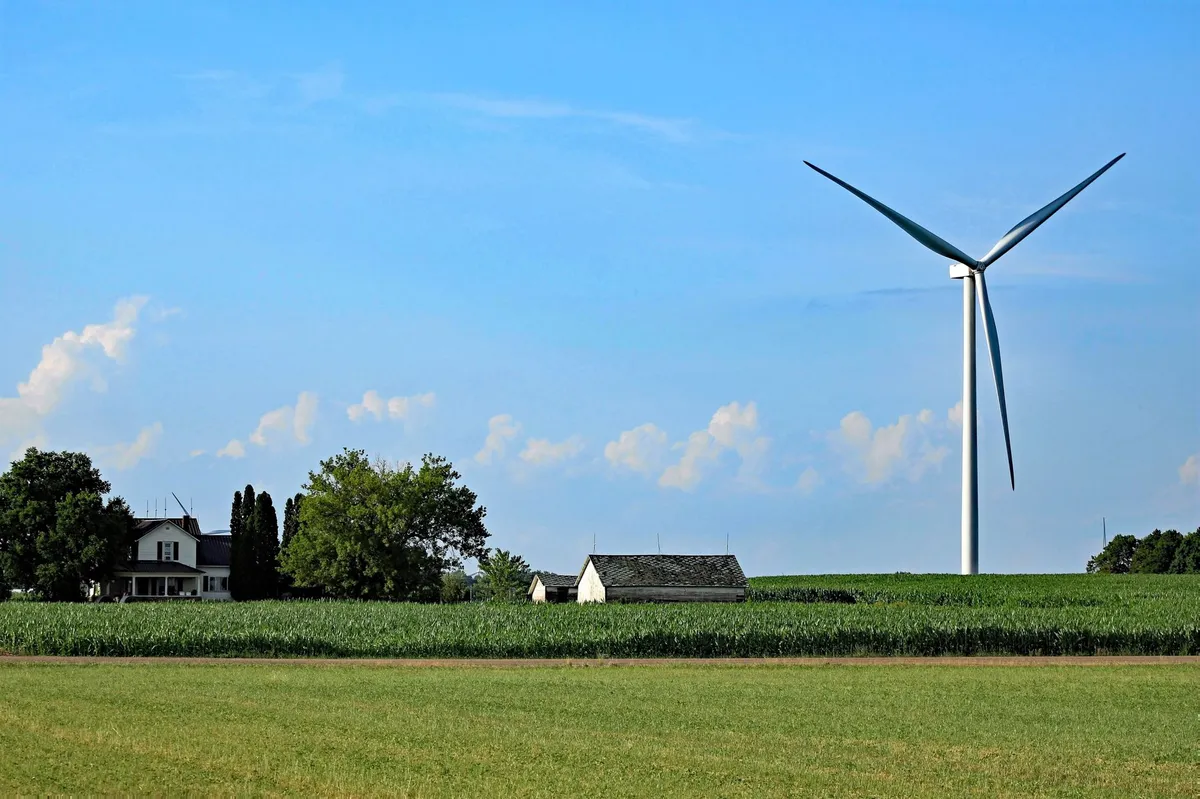
As construction cranes tower over corn and soybean fields, local activists like Tammie Bruneau are rallying residents against the perceived threats posed by these developments. With just 2,400 residents, Saline has become a microcosm of a larger national debate, one that resonates across political lines. Recent surveys indicate that a mere 14% of Americans would welcome a data center in their neighborhood, reflecting a growing unease about the pace and scale of tech expansion. As politicians feel the heat from constituents, the question arises: how can they balance economic growth with community interests?
The Rise of Data Centers in America
The trend of constructing data centers has surged in recent years, driven by the explosive growth of data consumption and the burgeoning AI industry. According to industry estimates, the global data center market is projected to exceed $1 trillion by 2025, and the U.S. plays a pivotal role in this growth. Data centers, often powered by renewable energy, are designed to house the servers and infrastructure that support everything from cloud computing to AI applications. As demand escalates, tech giants like Oracle and OpenAI are investing heavily in these facilities, often in rural areas where land is cheaper and regulations may be less stringent.
Economic Implications
While the promise of economic development is a compelling argument for data centers, the reality is far more complex. These facilities can create thousands of temporary construction jobs and hundreds of permanent positions once operational. For instance, developers of the Stargate data center claim it will generate over 2,500 construction jobs and 450 permanent positions, alongside substantial tax revenues for local governments. However, the influx of jobs does not always translate to long-term economic benefits for existing residents, especially if infrastructure costs and environmental impacts outweigh the advantages.
Community Backlash: A Unified Front
The pushback against data centers is not limited to Saline. Communities across Michigan and other states are mobilizing against proposals that they feel threaten their way of life. In Washington Township, a planned data center was scrapped after residents organized against it, while in Augusta, a public rezoning vote was forced due to local opposition. These examples illustrate a growing movement of grassroots activism that transcends political affiliations, uniting individuals who share concerns about the ramifications of corporate development.
Political Ramifications
The fallout from community resistance is prompting politicians to reconsider their stances on tech infrastructure. In Michigan, candidates for the U.S. Senate are grappling with how to respond to voters’ fears while also acknowledging the potential benefits of AI development. Haley Stevens, a Democratic candidate, has embraced a tech-positive narrative, arguing that data centers will position Michigan as a leader in innovation. In contrast, her opponent, Abdul El-Sayed, advocates for stricter regulations on data centers, suggesting that they should operate as public-benefit corporations to ensure more community oversight.

The Legal and Regulatory Landscape
The legal battles surrounding data center development reveal the complexities of zoning laws, property rights, and community governance. In Saline, after the township board initially voted against rezoning for the Stargate project, developers pursued legal action, ultimately leading to a consent judgment that allowed construction to proceed but included stipulations for community benefits. This case underscores the challenges that local governments face when negotiating with well-funded corporations. Often, towns lack the resources to effectively combat corporate interests, leading to compromises that may not fully address residents' concerns.
- Community Benefits Agreements: These can provide funds for local services and infrastructure improvements.
- Environmental Impact Assessments: Essential for understanding potential effects on local ecosystems.
- Public Forums: Vital for gathering community input and fostering dialogue between developers and residents.

Finding a Middle Ground
As the data center debate rages on, finding a compromise that satisfies both economic ambitions and community concerns remains a critical challenge. Local activists like Bruneau are advocating for more stringent regulations to protect water sources and ensure that new developments do not compromise agricultural land. Meanwhile, advocates for tech development argue that properly managed data centers can coexist with rural communities, emphasizing the use of sustainable practices and investments in local infrastructure.
Technological Solutions
Technological advancements in cooling systems and energy efficiency are also being highlighted as potential solutions to address environmental concerns. Developers claim that closed-loop cooling systems can minimize water usage, while efforts to source energy from renewable sources can alleviate fears about grid reliability and local utility costs. However, skepticism remains among residents, who worry that these promises may not materialize.
Key Takeaways
- Data centers are expanding rapidly, raising concerns among local communities.
- Public opposition is uniting residents across political lines, emphasizing the need for community engagement.
- Legal battles highlight the challenges local governments face in negotiating with powerful developers.
- Technological advancements may offer solutions, but skepticism remains high.
Frequently Asked Questions
What are the main concerns regarding data centers?
The primary concerns about data centers include their potential impact on local water supplies, increased energy demand, and the disruption of rural landscapes. Residents often fear that these developments will lead to higher utility costs, environmental degradation, and the loss of agricultural land. As data centers typically require significant resources, communities are advocating for stricter regulations to protect their interests.
How are local governments responding to community opposition?
Local governments are increasingly facing pressure from constituents to address concerns regarding data center developments. Some have attempted to implement moratoriums on new projects, while others are engaging in community forums to discuss local impacts. In Michigan, for example, public meetings have allowed residents to voice their opinions and push for more stringent regulations on water usage and land preservation.
What economic benefits do data centers provide?
Data centers can create thousands of temporary construction jobs and hundreds of permanent positions once operational. Additionally, they can generate substantial tax revenues for local governments, which can be reinvested into community services and infrastructure. However, the long-term economic impact can vary based on how well these facilities integrate with local economies and whether they adequately address community concerns.
Are there any regulatory frameworks in place for data centers?
Regulations surrounding data centers vary significantly by state and locality. While some areas have established zoning laws and environmental assessments to govern new developments, others may lack comprehensive frameworks. Community advocacy is crucial in pushing for more robust regulations that ensure transparency and accountability from developers, especially regarding environmental impacts and resource usage.
Comments
Harnessing AI in Insurance: From Document Processing to Revenue Growth
The insurance industry is evolving its approach to AI, transitioning from basic document extraction to focusing on productivity and revenue growth. This article dives into the ongoing discussions among industry leaders about the future of AI in insurance and the potential for transformative gains.

Related articles







Popular in Business Insurance
- Surging War-Risk Insurance Rates in the Strait of Hormuz: What It Means for Shipping
- Ross & Yerger Insurance Faces Class Action Over Data Breach Allegations
- Sompo Expands U.S. Workers' Compensation Portfolio with Service Insurance Acquisition
- Legal Battle Unfolds Over $1 Million Truck Crash Insurance Payout
- Howden Group's Ambitious Journey Toward IPO and Expansion