Leadership Transition at The Hanover: Dick Lavey Takes the Helm
The Hanover Insurance Group announces Dick Lavey as CEO-elect as Jack Roche prepares for retirement in 2026. This leadership change comes amidst strong financial results and evolving market dynamics.
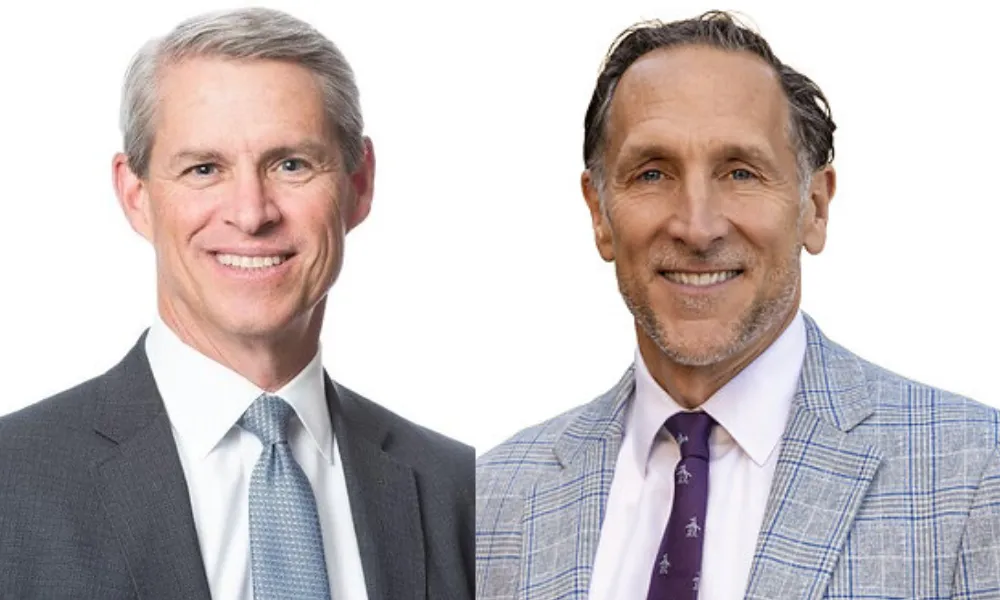
The Hanover Insurance Group is embarking on a significant leadership transition as the company prepares to say goodbye to its long-standing CEO, John "Jack" C. Roche, who plans to retire on December 31, 2026. The board of directors has appointed Richard "Dick" W. Lavey, the current chief operating officer and president of Hanover Agency Markets, as CEO-elect. This decision comes at a pivotal time for the company, which is experiencing some of its strongest financial results in years, highlighting a potential continuity of success as Lavey steps into this critical role.
Roche, who joined The Hanover in 2006 and took on the role of president and CEO in 2017, has played a vital role in steering the company through various market challenges and growth opportunities. His leadership has not only impacted The Hanover but has also extended to the wider insurance industry, where he serves as vice chair of the board of trustees for The Institutes and is actively involved in several other organizations. Roche's impending retirement marks the end of an era, and his contributions have left a strong legacy for Lavey to build upon.
The Financial Landscape: Strength Amidst Change
The timing of this leadership change is particularly noteworthy, as The Hanover recently reported impressive financial results. For the first quarter of 2026, the company achieved a net income of $186.8 million, translating to $5.20 per diluted share, a significant increase from $128.2 million in the same period a year earlier. The operating income also reflects a positive trend, standing at $188.5 million, or $5.25 per diluted share. The company’s combined ratio, a key measure of underwriting profitability, improved to 91.7%, with a return on equity exceeding 20%.
These results can be attributed to disciplined execution and strategic pricing and underwriting decisions made over the years. Chief Financial Officer Jeffrey Farber noted a 2.4-point improvement in the company's ex-catastrophe combined ratio, along with nearly 20% growth in net investment income. This robust financial performance sets a high bar for Lavey as he prepares to assume leadership, but it also positions him with a solid foundation from which to navigate future challenges.

Understanding Dick Lavey's Background
Richard "Dick" W. Lavey brings a wealth of experience to his new role. Having joined The Hanover in 2004, Lavey has held various leadership positions, including chief marketing officer and chief growth innovation officer, as well as president of personal lines. His extensive background in the industry, including previous roles at The Hartford and Travelers, equips him with the insight needed to guide The Hanover through both opportunities and challenges.
As president of Hanover Agency Markets, Lavey has overseen core commercial and personal lines, which represent a substantial 75% of The Hanover's consolidated gross premiums, totaling around $7 billion. His tenure in leadership roles within the independent agency distribution channel has helped shape The Hanover into a leading partner for agents, a critical component of the company's success.
Industry Contributions and Future Directions
Lavey's contributions extend beyond The Hanover. He recently served as chairman of the board for the National Council on Compensation Insurance, and his knowledge spans across both the insurance and technology sectors. This dual expertise is vital as the insurance industry increasingly relies on technology to improve efficiency and customer service.
As he prepares to take on the role of CEO, Lavey acknowledges the transformative period The Hanover is entering. He expressed enthusiasm about leveraging the company's momentum and delivering lasting value to stakeholders, emphasizing the importance of adapting to market changes while maintaining a strong focus on independent agency partnerships.

Market Dynamics: Challenges Ahead
While Lavey inherits a company with strong financials and a dedicated workforce, he also faces a shifting market landscape that could challenge the company's growth trajectory. The independent agency channel has been a cornerstone of The Hanover's distribution strategy, accounting for 62% of all U.S. property and casualty insurance written in 2025, a slight increase from 2024. However, the broader market is experiencing shifts, with commercial premiums declining for the first time in nearly nine years, signaling a potential softening in pricing and increased competition.
The Council of Insurance Agents & Brokers reported that the commercial insurance sector is undergoing significant changes, with a notable end to a 33-quarter streak of rising premiums. This shift demands that Lavey and his team remain vigilant and adaptable, ensuring The Hanover's strategies can withstand market fluctuations.
- Independent agents accounted for 62% of U.S. property and casualty insurance in 2025.
- The commercial insurance market has seen its first premium decline in nine years.
- Market combined ratios for independent agencies have improved significantly, reflecting operational efficiencies.

Looking Ahead: What’s Next for The Hanover?
As the leadership transition unfolds, both Roche and Lavey have expressed optimism about the future. Roche has stated that he will retire with pride, confident in the organization's achievements and its financial standing. His long-standing collaboration with Lavey gives him assurance that The Hanover is in capable hands. Lavey, on the other hand, is ready to embrace the challenges that lie ahead while continuing to drive the company's mission forward.
The Hanover's focus on independent agents and technology will be crucial as the company navigates market shifts. Lavey’s leadership will be pivotal in maintaining The Hanover’s competitive edge, ensuring that the company can adapt and thrive in an evolving insurance landscape. The challenge will be to balance maintaining strong relationships with agents while also responding to the changing demands of consumers and businesses alike.
Key Takeaways
- The Hanover Insurance Group has appointed Dick Lavey as CEO-elect, succeeding Jack Roche in 2026.
- The company reported strong financial results, with a significant increase in net income and improved combined ratios.
- Lavey’s extensive experience positions him well to lead during a transformative time in the insurance market.
- The commercial insurance sector is experiencing a decline in premiums for the first time in nearly a decade, signaling potential challenges ahead.
Frequently Asked Questions
What are the implications of this leadership change for The Hanover Insurance Group?
The transition in leadership signifies a continuity of strategy and vision as Dick Lavey steps into the role of CEO. Given his extensive experience within the company and the industry, Lavey aims to build upon the strong financial foundation set by Jack Roche while navigating new market challenges. This leadership change is critical as The Hanover adapts to evolving industry dynamics and seeks to maintain its competitive edge.
How has The Hanover performed financially in recent years?
In recent financial reports, The Hanover has demonstrated significant growth, particularly in the first quarter of 2026, where the company posted a net income of $186.8 million, marking a substantial increase from the previous year. The improvements in the combined ratio and return on equity further illustrate the effectiveness of The Hanover's strategic initiatives in pricing and underwriting management, positioning the company well for future success.
What challenges does Dick Lavey face as he takes on the CEO role?
As Dick Lavey prepares to assume the CEO position, he faces the challenge of leading The Hanover through a changing insurance landscape, particularly with the recent decline in commercial premiums. Lavey must ensure that the company’s strategies remain effective in maintaining strong relationships with independent agents while adapting to market fluctuations and consumer demands. His leadership will be crucial in sustaining the company’s growth and adapting its business model as necessary.
Comments
Harnessing AI in Insurance: From Document Processing to Revenue Growth
The insurance industry is evolving its approach to AI, transitioning from basic document extraction to focusing on productivity and revenue growth. This article dives into the ongoing discussions among industry leaders about the future of AI in insurance and the potential for transformative gains.

Related articles





Popular in Business Insurance
- Surging War-Risk Insurance Rates in the Strait of Hormuz: What It Means for Shipping
- Ross & Yerger Insurance Faces Class Action Over Data Breach Allegations
- Sompo Expands U.S. Workers' Compensation Portfolio with Service Insurance Acquisition
- Legal Battle Unfolds Over $1 Million Truck Crash Insurance Payout
- Howden Group's Ambitious Journey Toward IPO and Expansion