Florida's Surplus Lines Market Thrives Amid Price Declines
Florida's surplus lines insurance market is experiencing robust growth and falling prices, a stark turnaround from the turmoil of just two years ago when insurers fled the state. Legal reforms and a competitive influx of new carriers are driving this transformation, yet the shadow of potential hurricanes looms over the market's stability.
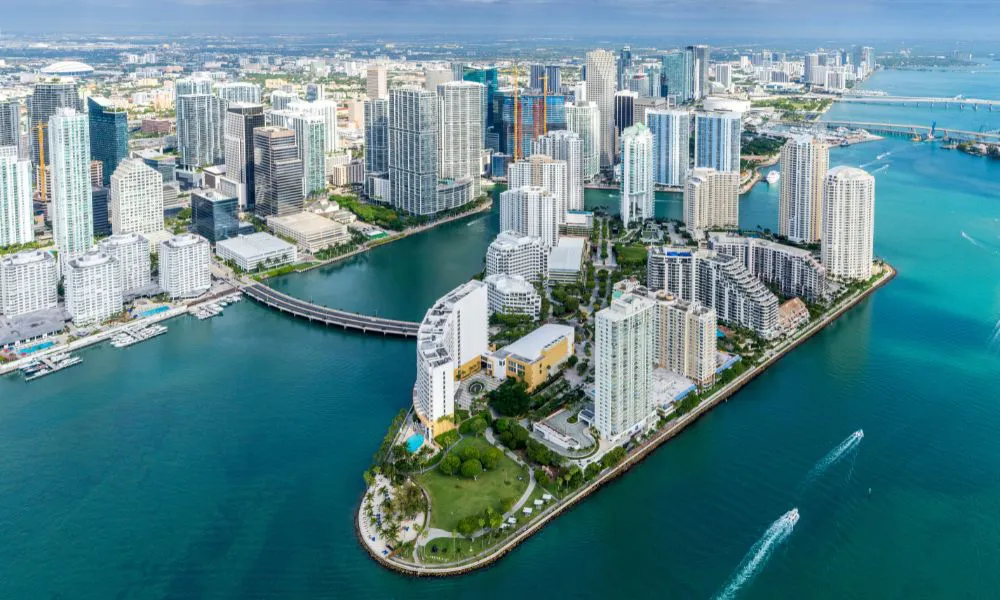
In a remarkable twist, Florida's surplus lines insurance market is witnessing a resurgence characterized by both significant growth and a decrease in prices. This turnaround comes on the heels of a tumultuous period, where the state’s insurance landscape was marred by devastating hurricane losses and a surge of property lawsuits. The landscape now tells a different story: one of recovery and opportunity, as new carriers flood into the market and competition drives prices down. For consumers and businesses alike, this evolving insurance environment holds vital implications.
Two years ago, Florida's insurance industry was in dire straits. The state experienced less than 10% of the nation’s home insurance claims yet was the battleground for nearly 80% of the country’s insurance lawsuits. A staggering nine insurers went insolvent between 2021 and 2023, prompting reinsurers to raise prices and withdraw their backing from the state. However, the passage of legal reforms aimed at curbing litigation ignited a rush of capital back into Florida's insurance sector. This influx of new carriers and investment capital has reshaped the market, leading to a notable increase in surplus lines activity.
The Rise of Surplus Lines in Florida
Surplus lines insurance refers to coverage provided by insurers that are not licensed to operate in a particular state. These insurers often cover risks that standard carriers refuse to underwrite due to their complexity or potential for significant loss. In Florida, the surplus lines market has seen an impressive growth trajectory. As of June 30, surplus lines carriers wrote 982,627 policies, marking a 15% increase from the previous year. Even more strikingly, premiums in this sector fell almost 6%, with the average price per policy dropping nearly 18%.
This dramatic shift can be attributed to several factors:
- Increased Competition: The influx of new carriers and investors has intensified competition, leading to lower prices.
- Legal Reforms: Changes in state legislation have reduced litigation, making Florida a more attractive market for insurers.
- Market Flexibility: Surplus lines carriers can tailor coverage for complex risks, unlike standard carriers that often adhere to rigid guidelines.

Understanding the Market Dynamics
The commercial property sector is currently the largest and fastest-growing segment within Florida's surplus lines market. As of mid-2023, this sector accounted for over $3.3 billion in premiums across approximately 193,000 policies. The policy count in this area has nearly doubled from about 24,800 in early 2022 to 45,500. This increase reflects a significant shift in how businesses are acquiring insurance, with many opting for surplus lines due to the flexibility and customization available.
The Role of Admitted vs. Surplus Lines Carriers
In Florida, the distinction between admitted carriers—those licensed and regulated by the state—and surplus lines carriers is not as clear-cut as it is in other states. Admitted insurers typically focus on more predictable risks, such as homeowners associations and condominiums, while commercial properties like hotels and shopping centers often fall into the surplus lines category. The key differentiator lies in the carriers' ability to predict risk.
Admitted insurers rely on historical storm data to assess catastrophe risk effectively, whereas surplus lines carriers are equipped to handle more intricate risks that may lack a significant loss history. As a result, these carriers have gained the ability to offer larger line sizes than they could just a few years ago. For example, an account that previously required six or more insurers to cover a particular risk may now only need two or three due to increased capacity and competition.

Future Outlook: Risks and Opportunities
While the current environment suggests a positive trajectory for Florida's surplus lines market, several factors could influence its stability in the coming years. The potential impact of severe weather events, particularly hurricanes, looms large. The hurricane season extends from June to November, and Florida has experienced a fortunate stretch without major storms since Hurricane Ian in 2022, which inflicted over $21 billion in insured losses.
Insurance experts like Troy Snider and Bo Rhonehouse caution that the current price drops might not last indefinitely. They anticipate that, barring a catastrophic event, price reductions will moderate to smaller single-digit declines over the next year or two. Major hurricanes have the potential to disrupt this market resurgence significantly, especially considering that many new entrants may be undercapitalized. A severe storm could lead to insolvencies among these carriers, swiftly reversing the recent gains in affordability.
What Consumers Should Know
For consumers, the evolving landscape of Florida's surplus lines market presents both opportunities and challenges. While lower prices and increased options are undeniably positive, it is essential to understand the nuances of surplus lines insurance. Policyholders should be aware that while surplus lines carriers can offer customized coverage, they may also come with different regulatory protections compared to admitted insurers. This means consumers must conduct thorough research and possibly consult with an insurance professional to ensure they are making informed decisions.

Key Takeaways
- Florida's surplus lines market is growing rapidly with a 15% increase in policies.
- Premiums have decreased by nearly 6%, with the average price per policy dropping 18%.
- Competition among carriers and legal reforms have driven this positive change.
- Future stability is uncertain, particularly due to the risk of hurricanes.
- Consumers should understand the distinctions and protections associated with surplus lines insurance.
Frequently Asked Questions
What are surplus lines and how do they differ from standard insurance?
Surplus lines insurance is typically provided by carriers not licensed in the state where the insurance is being offered. These insurers specialize in covering unique or high-risk situations that standard insurance companies may avoid. Unlike admitted carriers, surplus lines insurers have more flexibility in customizing policies, which can be beneficial for businesses with complex needs.
Why are prices falling in Florida's surplus lines market?
Prices in Florida's surplus lines market are falling due to increased competition from new carriers entering the market and a significant influx of reinsurance capital. Legal reforms have also helped reduce the volume of litigation, making the market more attractive to insurers, which collectively contribute to lower premiums for consumers.
What should consumers consider when choosing surplus lines insurance?
When considering surplus lines insurance, consumers should evaluate the financial stability of the insurer, the specific coverage options available, and the regulatory protections that may differ from those of admitted carriers. Consulting with a licensed insurance agent can help consumers navigate these factors and find a policy that meets their unique needs.
How might hurricanes affect the surplus lines market in Florida?
Hurricanes pose a significant risk to the stability of Florida's surplus lines market. A major hurricane could lead to substantial insured losses, potentially causing insolvencies among newly established carriers. This could reverse the current trend of declining prices and reduced premiums, highlighting the importance of understanding the inherent risks associated with surplus lines insurance.
Comments
Lloyd's Investigation Reveals Compliance Breaches by Former CEO John Neal
An investigation by the Council of Lloyd's has revealed that former CEO John Neal breached compliance rules, raising significant concerns about governance and accountability within the organization. The findings call for a re-evaluation of leadership standards and whistleblower protections at Lloyd's.

Related articles






Popular in Business Insurance
- Surging War-Risk Insurance Rates in the Strait of Hormuz: What It Means for Shipping
- Ross & Yerger Insurance Faces Class Action Over Data Breach Allegations
- Sompo Expands U.S. Workers' Compensation Portfolio with Service Insurance Acquisition
- Legal Battle Unfolds Over $1 Million Truck Crash Insurance Payout
- Howden Group's Ambitious Journey Toward IPO and Expansion