Lloyd's Investigation Reveals Compliance Breaches by Former CEO John Neal
An investigation by the Council of Lloyd's has revealed that former CEO John Neal breached compliance rules, raising significant concerns about governance and accountability within the organization. The findings call for a re-evaluation of leadership standards and whistleblower protections at Lloyd's.
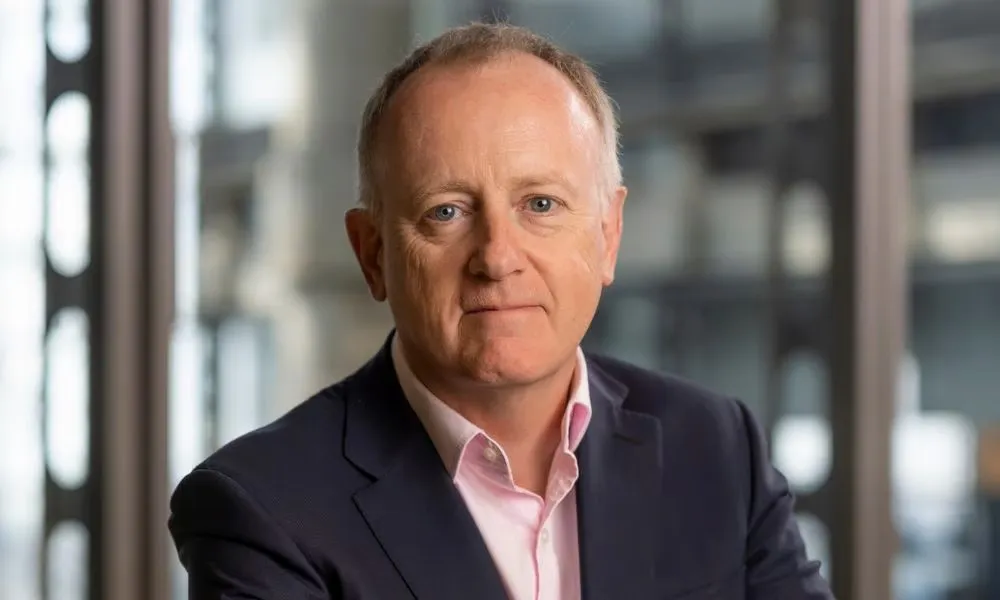
The insurance giant Lloyd's has recently come under scrutiny following a comprehensive investigation that found former CEO John Neal in breach of the corporation's compliance rules. The Council of Lloyd's, tasked with overseeing the integrity of the institution, concluded that Neal's conduct fell well below the expected standards for someone in his high-ranking position. This revelation not only raises questions about Neal's leadership but also shines a light on the broader governance issues facing the Lloyd's organization, especially concerning compliance and whistleblower protections.
At the heart of the investigation was the nature of Neal's relationship with Rebekah Clement, who served as Lloyd's corporate affairs director. The Council determined that their professional relationship was sufficiently close to create a perceived conflict of interest, which they failed to disclose—a clear violation of Lloyd's global compliance policy. Although the investigation did not find conclusive evidence of a romantic relationship, the failure to acknowledge even a perceived conflict raises serious questions about transparency and accountability within the organization.
Understanding the Compliance Breach
Compliance in the corporate world encompasses a set of practices that ensure a company adheres to legal standards, ethical norms, and internal policies. For Lloyd's, a global leader in the insurance market, compliance is particularly critical given its extensive regulatory obligations. The Council's findings against Neal underscore not only individual accountability but also systemic issues that may have allowed such breaches to occur.
Details of the Investigation
The investigation was initiated after concerns were raised by senior Lloyd's executives regarding Neal's relationship with Clement. These concerns highlighted the importance of transparency in leadership roles, particularly in an environment where trust is paramount. Despite acknowledging these concerns, Neal did not exhibit any significant change in his behavior, which the Council regarded as a breach of the standards expected of him.
Furthermore, the investigation revealed failures related to whistleblower reports submitted in November 2023. Neal did not ensure that these reports were handled properly, which the Council later identified as a governance failure. This negligence not only affected the internal handling of complaints but also prevented the Council from taking timely action that could have mitigated reputational damage to Lloyd's.
The Implications of Governance Failures
The ramifications of Neal's actions extend far beyond personal accountability; they raise critical concerns about the governance structures within Lloyd's. Sir Charles Roxburgh, chair of Lloyd's, emphasized the need for robust governance that transcends mere compliance. He noted that effective governance must be rooted in a culture of accountability and integrity, suggesting that policies alone cannot substitute for the personal values of leadership.
- Failure to disclose perceived conflicts of interest: Neal and Clement did not report their close professional relationship.
- Neglect of whistleblower procedures: Neal failed to confirm proper handling of whistleblower reports.
- Reputational damage: The conduct of both individuals has harmed Lloyd's image in the market.
- New governance measures: Lloyd's is implementing stricter oversight and revised committee structures.
Repercussions for Leadership and Culture
The investigation has prompted Lloyd's to take immediate action to enhance its governance framework. Changes include heightened oversight by the Council, revised procedures for senior appointments, and an updated Code of Conduct that will address personal relationships and social media use in the workplace. These measures are designed not only to rectify past failures but also to foster a culture of transparency and responsibility within the organization.
Sheila Cameron, chief executive of the Lloyd's Market Association, highlighted the importance of personal values in governance, stating that good governance relies on individuals willing to uphold high ethical standards and be vocal when standards are not met. Similarly, Caroline Wagstaff, chief executive of the London Market Group, emphasized that the investigation’s outcomes are not only about accountability for past actions but also about preventing future harm.
Next Steps for Lloyd's and Stakeholders
The findings of this investigation have set a precedent for future governance and compliance standards within Lloyd's. Stakeholders, including policyholders, investors, and employees, are likely to be watching closely as the organization implements these changes. Maintaining a strong commitment to ethical practices and transparent governance will be vital in restoring trust among stakeholders and the broader insurance market.
Lloyd's is now tasked with ensuring that its culture of compliance is not only about adhering to policies but is ingrained in the organizational ethos, promoting accountability at every level. The Council’s commitment to these values will be crucial in navigating the challenges ahead.

Key Takeaways
- The Council of Lloyd's found former CEO John Neal in breach of compliance rules.
- Failures in handling whistleblower reports have raised governance concerns.
- Lloyd's is implementing new measures to enhance transparency and accountability.
- Culture and personal accountability are essential for effective governance.
Frequently Asked Questions
What are the main findings of the Lloyd's investigation?
The investigation revealed that John Neal breached compliance rules by failing to disclose a close relationship with a colleague, creating a perceived conflict of interest. Additionally, it identified failures in handling whistleblower reports, which impeded the Council's ability to act on serious allegations in a timely manner. These findings have prompted a reevaluation of governance practices at Lloyd's.
How does this impact Lloyd's reputation in the market?
The conduct of senior executives, particularly the CEO, has a direct impact on an organization's reputation. The findings against Neal have raised serious concerns about governance, transparency, and accountability within Lloyd's, which could lead to diminished trust from stakeholders. Moving forward, the organization must work diligently to restore its credibility and assure stakeholders of its commitment to ethical standards.
What changes are being made to governance at Lloyd's?
In light of the investigation's findings, Lloyd's is implementing several governance reforms, including elevated oversight by the Council, revised procedures for senior appointments, and an updated Code of Conduct focusing on personal relationships and social media use. These changes aim to prevent future compliance breaches and foster a culture of accountability within the organization.
What role do whistleblower protections play in corporate governance?
Whistleblower protections are critical in fostering an environment where employees feel safe to report unethical or illegal conduct without fear of retaliation. Effective whistleblower policies not only protect individuals but also serve as an essential mechanism for identifying and addressing governance failures within organizations. Ensuring these protections are robust is vital for maintaining transparency and accountability at all levels of management.
Comments
The Next Chapter for Insurtech: Embracing Innovation to Mitigate Risks
Insurers are evolving beyond traditional risk transfer methods, leveraging technology to enhance risk prevention strategies. As catastrophe exposure rises, new tools and analytics are reshaping the insurance landscape, creating opportunities for improved policyholder relationships.
Related articles




Popular in Business Insurance
- Surging War-Risk Insurance Rates in the Strait of Hormuz: What It Means for Shipping
- Ross & Yerger Insurance Faces Class Action Over Data Breach Allegations
- Sompo Expands U.S. Workers' Compensation Portfolio with Service Insurance Acquisition
- Legal Battle Unfolds Over $1 Million Truck Crash Insurance Payout
- Howden Group's Ambitious Journey Toward IPO and Expansion