Encova Insurance: A Journey of Transformation Over 42 Years
John Kessler has been a pivotal figure at Encova Insurance, overseeing a major transformation that has redefined the company. His strategic vision has not only unified a complex organization but also positioned it for future growth in a rapidly changing insurance landscape.
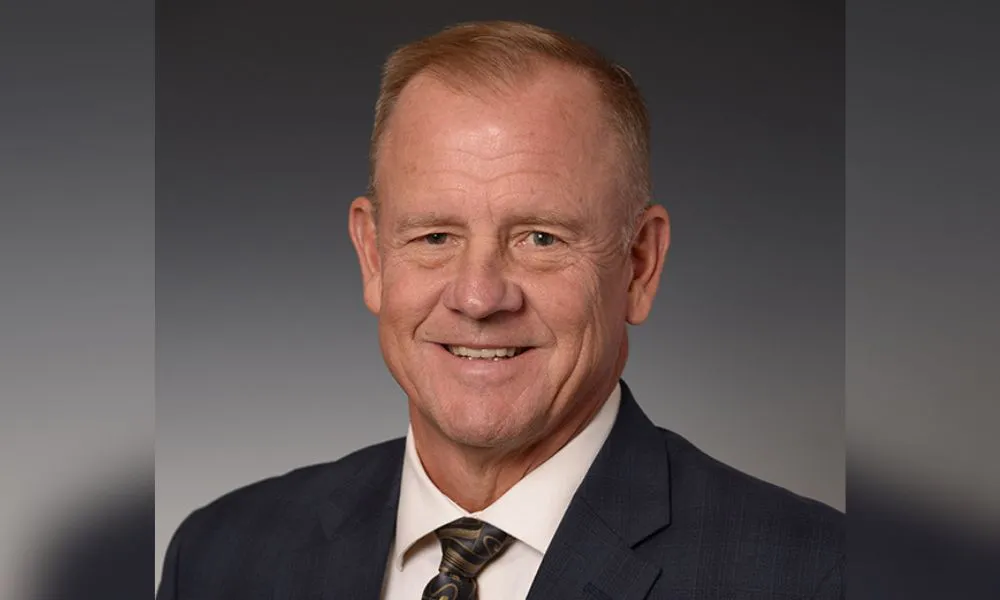
In an industry often defined by tradition and stability, Encova Insurance stands as a beacon of transformation, thanks in large part to the visionary leadership of John Kessler. Beginning his career as a programmer trainee in 1984 at a Columbus, Ohio-based insurance carrier, Kessler's journey has spanned over four decades, culminating in his role as executive vice president and chief strategy officer at Encova. Under his guidance, the company has undergone one of the most ambitious transformations in the super-regional carrier sector, redefining its operational model and positioning itself for sustained growth in a rapidly evolving marketplace.
Encova Insurance, with approximately $1.4 billion in written premium and assets exceeding $5.5 billion, was not always a cohesive entity. For much of Kessler’s tenure, it operated through an affiliation model, acquiring smaller mutual carriers while allowing them to retain their brands and infrastructures. While this strategy initially fostered growth, it ultimately led to operational inefficiencies, compounded by a bloated infrastructure and significant technical debt. By the early 2010s, the company's performance metrics, including its expense and combined ratios, were deteriorating, prompting a decisive shift in strategy.

From Fragmentation to Unity
Recognizing the need for a comprehensive overhaul, Encova's leadership initiated a transformation plan in 2012. The CEO at the time drafted a detailed 31-page vision document aimed at consolidating the 16 affiliated companies into a unified organization. This ambitious plan called for the integration of operations and the establishment of a single brand identity. Kessler played a crucial role in this transformation, focusing on an IT strategy built on three key pillars: standardization, modernization, and rationalization.
Building a Foundation for Change
The foundation of Encova’s transformation was the selection of the Guidewire Insurance Suite as the target-state architecture for property-casualty lines. Kessler emphasized a true greenfield approach, which involved creating new systems from the ground up rather than retrofitting the existing infrastructure. This strategy, dubbed the Commercial Lines Transformation Program, launched in 2015 and saw its first commercial lines go live in 2017. By 2019, the company had introduced a new suite of personal lines products, further solidifying its market position.

Mergers and Rebranding: Completing the Transformation
A significant milestone in Encova's journey was its merger with BrickStreet Insurance, a leading monoline workers’ compensation carrier in West Virginia. This merger not only expanded Encova's product offerings but also allowed for a more streamlined operational approach. The rebranding from Motorists Insurance, a name that had been established for nearly a century, to Encova Insurance marked the culmination of a transformational effort that sought to unify the company’s identity and operations.
Engagement and Alignment
Kessler firmly believes that successful transformation is rooted in organizational alignment rather than merely technology selection. Prior to launching the transformation initiatives, the CEO spent two years engaging with employees from different affiliated companies. This engagement included reading the vision document aloud to ensure that all employees, irrespective of their previous affiliations, understood and bought into the new direction. This commitment to communication built the necessary buy-in across the organization, which was crucial for the success of the transformation.

Operational Excellence Through Integrated Teams
At the heart of Encova's transformation was the establishment of integrated teams representing various disciplines within the organization. This collaborative approach not only facilitated effective decision-making but also ensured that all stakeholders were aligned with the company's strategic goals. Kessler noted that this principle extended to their relationship with system integrators, choosing PwC for the Guidewire implementation, a partnership that has flourished since its inception.
The Role of Technology and AI
As the insurance industry increasingly embraces artificial intelligence (AI), Kessler argues that the state of an organization’s core architecture directly impacts its ability to leverage these technologies. Encova's transformation has positioned it advantageously, with its modern, rationalized technology stack allowing it to explore AI opportunities without the burden of outdated systems. The company operates its workers' compensation lines on the Sapiens CoreSuite while managing other property-casualty lines on the Guidewire Cloud Platform, creating what Kessler refers to as an 'innovation ecosystem.'

Looking Ahead: A Strong Foundation for Growth
Encova completed its transformation journey in 2022 under the leadership of the current president and CEO, TJ Obrokta Jr. The company successfully transitioned away from legacy systems and received an upgraded AM Best rating of A, reflecting its strength and innovation. Kessler, who plans to retire in 2027, leaves behind a legacy of transformation that has set Encova on a path of growth and innovation.
Future Prospects
With a robust foundation built on modern technology and a unified corporate culture, Encova is poised for continued expansion. Kessler's vision and strategic execution have not only reshaped the organization but have also prepared it to tackle the challenges and opportunities that lie ahead in the insurance landscape. As Encova moves forward, the lessons learned from this transformation journey will serve as a guiding framework for future initiatives.
Key Takeaways
- Unified Vision: Encova’s transformation was driven by a clear, shared vision articulated in a 31-page document.
- Engagement: Two years of employee engagement helped build buy-in across multiple legacy companies.
- Integrated Teams: A collaborative approach ensured alignment across various disciplines within the organization.
- Modern Technology: Transition to modern systems laid the groundwork for leveraging AI and other technologies.
- Strong Financial Position: Encova achieved an A rating from AM Best, highlighting its financial strength and innovative capabilities.
Frequently Asked Questions
What prompted Encova Insurance's transformation?
The transformation was prompted by declining performance metrics and the need to unify multiple affiliated companies under a single brand and operational model. The leadership recognized that the existing fragmented structure was unsustainable and initiated a comprehensive transformation plan to address these challenges.
How did Encova ensure employee buy-in during the transformation process?
Encova's CEO conducted a regional engagement tour, spending two years communicating the vision to employees across all affiliated companies. This involved reading the vision document aloud and fostering discussions to ensure that everyone understood and aligned with the company's new direction.
What role did technology play in Encova’s transformation?
Technology was central to Encova's transformation, with a focus on selecting modern systems that could integrate operations and support future innovations. The implementation of the Guidewire Insurance Suite and other platforms enabled the company to streamline its processes and lay the groundwork for leveraging AI in its operations.
What is the current status of Encova Insurance?
As of 2023, Encova Insurance has successfully completed its transformation journey, with all legacy systems decommissioned. The company is financially stronger than ever, holding an A rating from AM Best, and is well positioned for continued growth and innovation in the insurance industry.
Comments
Berkley Insurance Sues Volunteers of America Over $2M in Unpaid Work
In a significant legal battle, Berkley Insurance is suing Volunteers of America for over $2 million regarding a stalled renovation project. The case raises important questions about performance bonds and contractor responsibilities in large construction projects.

Related articles







Popular in Business Insurance
- Surging War-Risk Insurance Rates in the Strait of Hormuz: What It Means for Shipping
- Ross & Yerger Insurance Faces Class Action Over Data Breach Allegations
- Sompo Expands U.S. Workers' Compensation Portfolio with Service Insurance Acquisition
- Legal Battle Unfolds Over $1 Million Truck Crash Insurance Payout
- Howden Group's Ambitious Journey Toward IPO and Expansion