Wheat Farmers Face Scorching Heat Amid Rising Crop Prices
As North Dakota wheat farmers prepare for harvest, they grapple with extreme heat threatening their yields just as crop prices surge to new highs. The interplay of local weather and global events, particularly the ongoing war between Russia and Ukraine, adds complexity to an already volatile market.
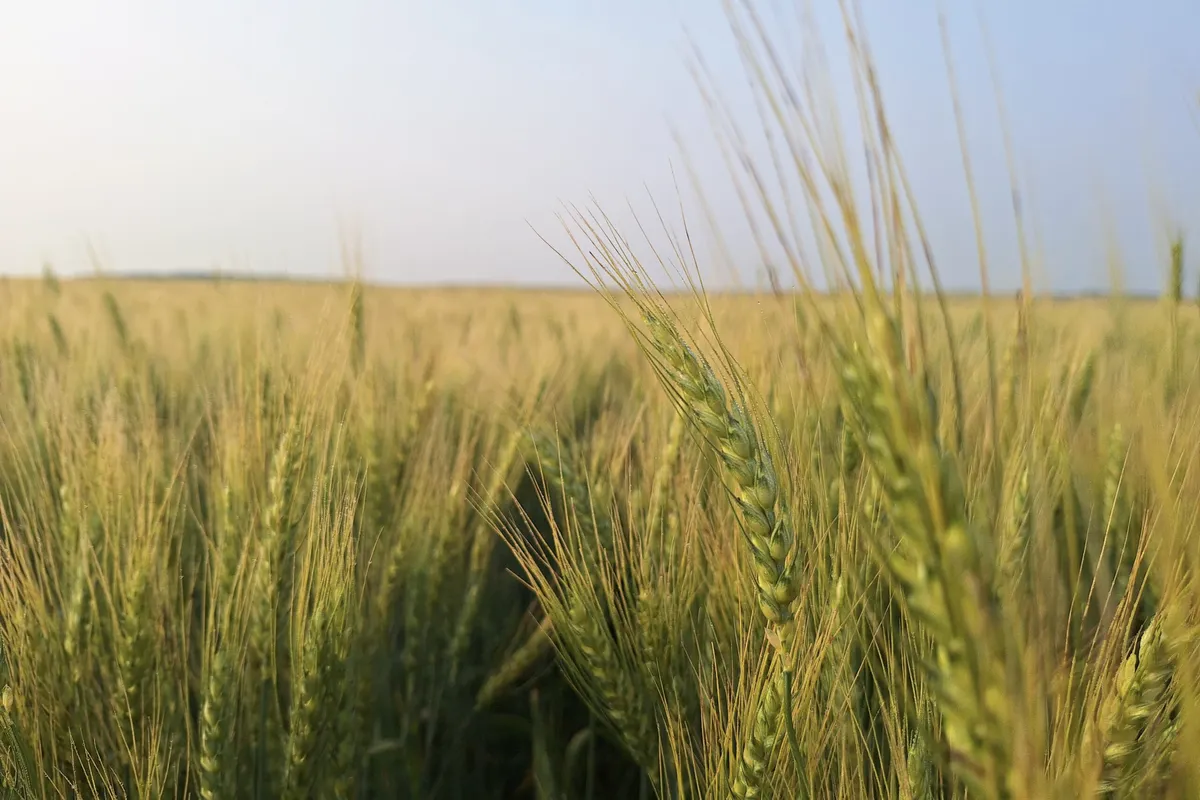
As the summer sun blazes down on North Dakota, the state's wheat farmers are in a precarious position. With harvest season approaching, they are facing the dual challenge of scorching heat and rising crop prices—the latter reaching a three-year high amid global market volatility. The recent surge in temperatures, often exceeding 100 degrees Fahrenheit, threatens to diminish the yields of this vital crop, which is essential not only for local economies but also for global food security.
The current situation is particularly concerning given the backdrop of geopolitical tensions in Eastern Europe, where the ongoing conflict between Russia and Ukraine continues to disrupt wheat exports from the Black Sea region. This combination of local weather extremes and international supply chain issues has created a perfect storm for farmers like Jim Pellman, who reflects the sentiments of many in the area: "We’ve still got harvest season to go through, so it’s a matter of getting the bushels in the bin."
Understanding the Impact of Heat on Wheat Yields
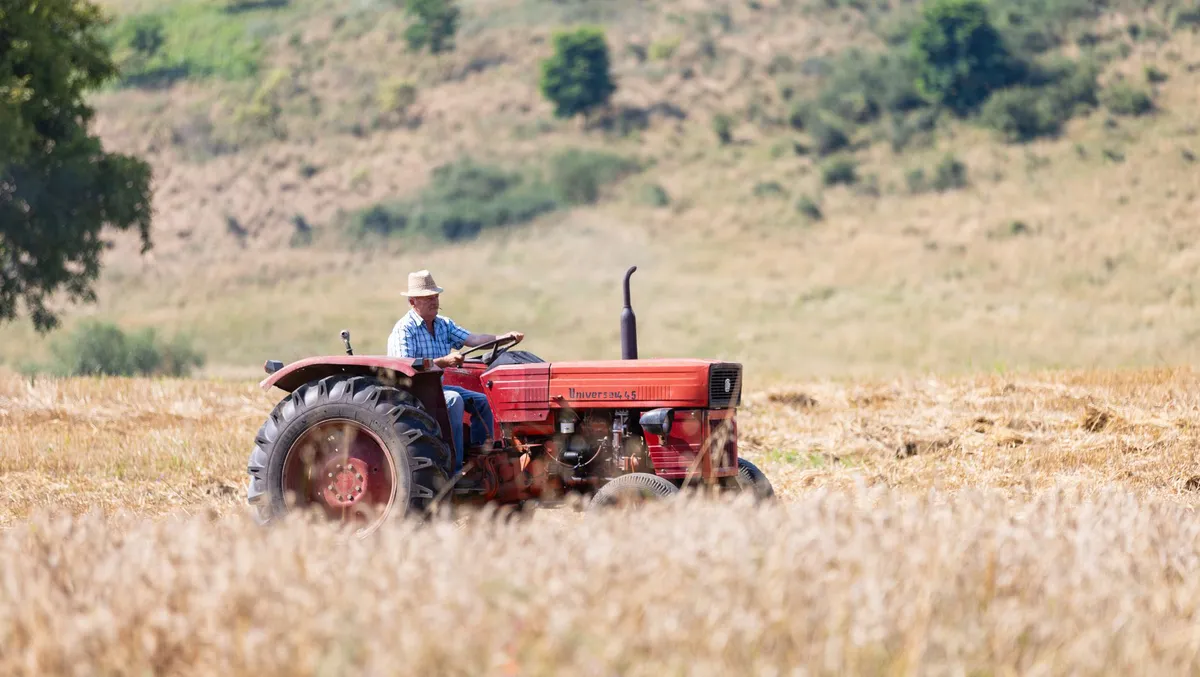
The heat wave gripping North Dakota is not just an inconvenience; it poses a serious threat to crop yields. When temperatures soar, wheat plants can mature too quickly, leading to a decrease in the number of bushels harvested per acre. This phenomenon, aggravated by earlier weather variability that left some areas with excessive rain and others parched, has farmers worried about the quality and quantity of their harvest.
Temperature Effects on Wheat
High temperatures can lead to:
- Accelerated Maturity: Wheat may ripen too quickly, resulting in reduced grain size and quantity.
- Heat Stress: Plants may suffer physiological stress, impacting their ability to produce healthy kernels.
- Increased Risk of Disease: Warmer conditions can foster the growth of pathogens that affect wheat.
Erica Olson, director of marketing and research at the North Dakota Wheat Commission, noted, "The crop is definitely stressed a bit—maybe some of the top potential taken out—but it’s still hanging in there." Farmers have to balance these environmental pressures with market expectations, creating a complex landscape in which they must operate.
Market Dynamics: The Price Surge Explained
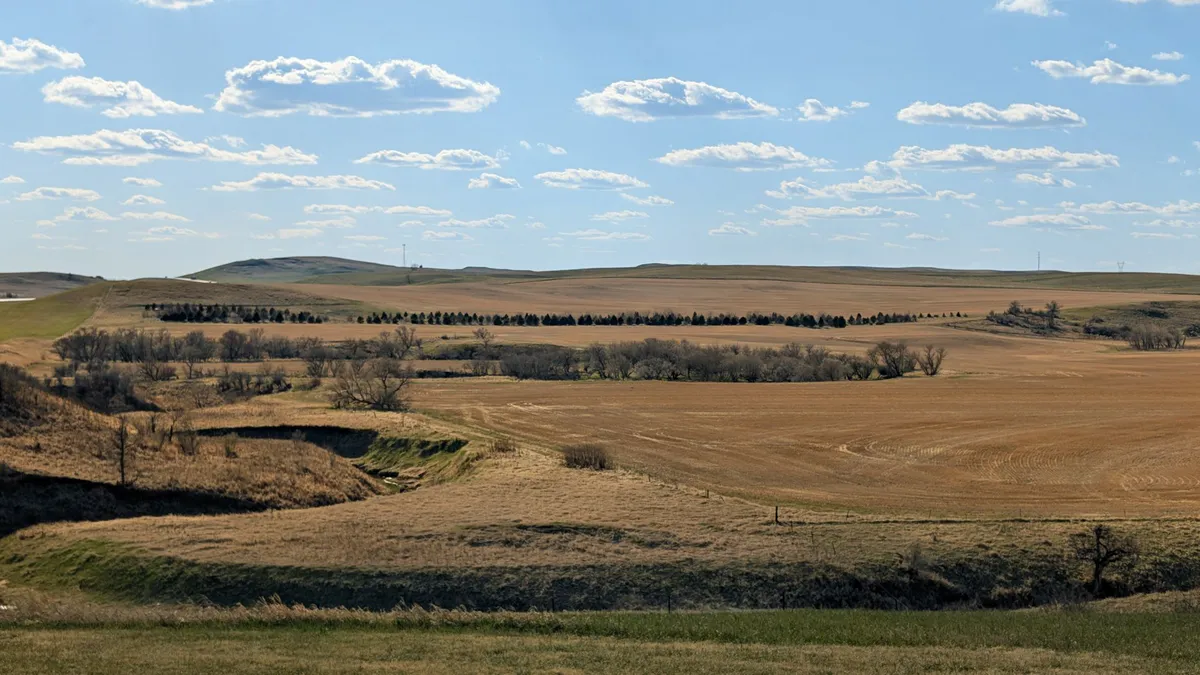
While local conditions are challenging, the global market dynamics are also playing a pivotal role in shaping the future of wheat prices. With the conflict in Ukraine escalating, concerns about grain flow from the Black Sea have heightened. Russia and Ukraine together account for over a quarter of global wheat shipments, and any disruptions here have far-reaching implications.
Factors Influencing Wheat Prices
Several elements are contributing to rising wheat prices:
- Geopolitical Tensions: The war in Ukraine has introduced significant uncertainty, pushing prices upward as buyers seek alternatives.
- Supply Chain Disruptions: Delays and safety concerns in navigating the Black Sea have created logistical nightmares for exporters.
- Weather Patterns: Extreme heat in Europe and variable weather in the Americas have lowered expectations for wheat production globally.
As a result, wheat futures have rallied nearly 40% this year, although they remain volatile. Farmers like Pellman express frustration over the fluctuating prices, stating, "The price of wheat goes up one day and it’s back down the next, so it’s kind of getting old news." This uncertainty complicates planning and financial forecasting for growers who are already contending with high production costs.

Challenges Beyond Weather: Input Costs and Tariffs
The challenges for wheat farmers extend beyond weather and market prices. Rising input costs and existing tariffs have compounded the difficulties faced by growers. As Bill Ongstad, a third-generation farmer, pointed out, "Growers have struggled amid tariffs and the high cost of crop inputs." The financial strain from these factors can be overwhelming and may deter some farmers from planting wheat in future seasons.
Understanding Production Costs
Farmers must contend with a range of expenses:
- Seed Costs: The price of quality seeds has risen, impacting overall planting budgets.
- Fertilizers and Pesticides: Essential for healthy crops, these inputs have seen significant price hikes due to supply chain issues.
- Labor Costs: Finding and retaining skilled labor to manage crops has become increasingly challenging.
With all these factors at play, U.S. wheat production is projected to be at its lowest levels since the 1970-71 season, prompting concerns about domestic and international food supplies.
Looking Ahead: The Future of Wheat Farming
As harvest time approaches, North Dakota wheat farmers remain cautious but hopeful. The interplay of local weather, market dynamics, and geopolitical issues means that the next few weeks will be critical. Farmers are closely monitoring the situation to make informed decisions about their harvest and future planting.
Some growers are optimistic about potential price increases, driven by the need for alternative sources of wheat due to the disruptions in Europe. Glendon Slaubaugh, a local grower, noted, "Farmers are keeping an eye on it because potentially it’ll be higher prices for them." However, the reality of heat stress and its implications on yields cannot be ignored.
Preparing for Uncertainty
Farmers are encouraged to consider risk management strategies, such as:
- Crop Insurance: Protecting against yield loss due to adverse weather.
- Diversification: Exploring alternative crops to mitigate risks associated with wheat.
- Market Analysis: Staying informed about market trends to make timely selling decisions.
With the future uncertain, the resilience and adaptability of North Dakota farmers will be put to the test.
Key Takeaways
- Extreme heat poses significant risks to wheat yields in North Dakota.
- Global market volatility, particularly due to the Russia-Ukraine conflict, is driving up wheat prices.
- Input costs are rising, complicating financial planning for farmers.
- Farmers are exploring risk management strategies to navigate these challenges.
- Harvest season will be critical for assessing the impacts of heat and market conditions.
Frequently Asked Questions
How does extreme heat affect wheat yields?
Extreme heat can lead to accelerated maturity of wheat plants, which results in smaller grain size and lower overall yields. When temperatures exceed optimal growing conditions, plants may also experience physiological stress, decreasing their ability to produce healthy kernels. This makes it crucial for farmers to monitor weather conditions closely during critical growth periods.
What factors are driving current wheat prices?
Current wheat prices are influenced by a combination of geopolitical tensions, particularly the conflict in Ukraine, supply chain disruptions in the Black Sea region, and adverse weather conditions affecting crops in Europe and North America. These factors create significant uncertainty in the market, leading to price fluctuations that farmers must navigate.
What risk management strategies can farmers use?
Farmers can employ several risk management strategies to mitigate the effects of adverse weather and market volatility. These include purchasing crop insurance to protect against yield losses, diversifying crops to spread risk, and conducting thorough market analysis to make informed selling decisions. Adapting to changing conditions is essential for maintaining profitability.
What is the outlook for wheat production in the U.S.?
The outlook for wheat production in the U.S. remains uncertain as farmers face a combination of extreme weather, rising input costs, and global market fluctuations. Current projections indicate that U.S. wheat production could be at its lowest levels since the 1970-71 season, raising concerns about food security both domestically and internationally.
Comments
Federal Judge Questions Evidence in 69,000 J&J Talc Cancer Lawsuits
A federal judge has cast doubt on the evidence in a massive litigation case involving Johnson & Johnson's talc products, potentially impacting 69,000 lawsuits claiming ovarian cancer. The outcome could reshape the landscape of product liability cases across the U.S.

Related articles







Popular in Business Insurance
- Surging War-Risk Insurance Rates in the Strait of Hormuz: What It Means for Shipping
- Ross & Yerger Insurance Faces Class Action Over Data Breach Allegations
- Sompo Expands U.S. Workers' Compensation Portfolio with Service Insurance Acquisition
- Legal Battle Unfolds Over $1 Million Truck Crash Insurance Payout
- Howden Group's Ambitious Journey Toward IPO and Expansion