Lindt Faces Legal Scrutiny Over Child Labor Claims in Cocoa Supply Chain
Lindt & Spruengli AG is embroiled in a lawsuit alleging false claims regarding its efforts to combat child labor in cocoa sourcing. This legal battle raises significant questions about corporate responsibility and consumer transparency.
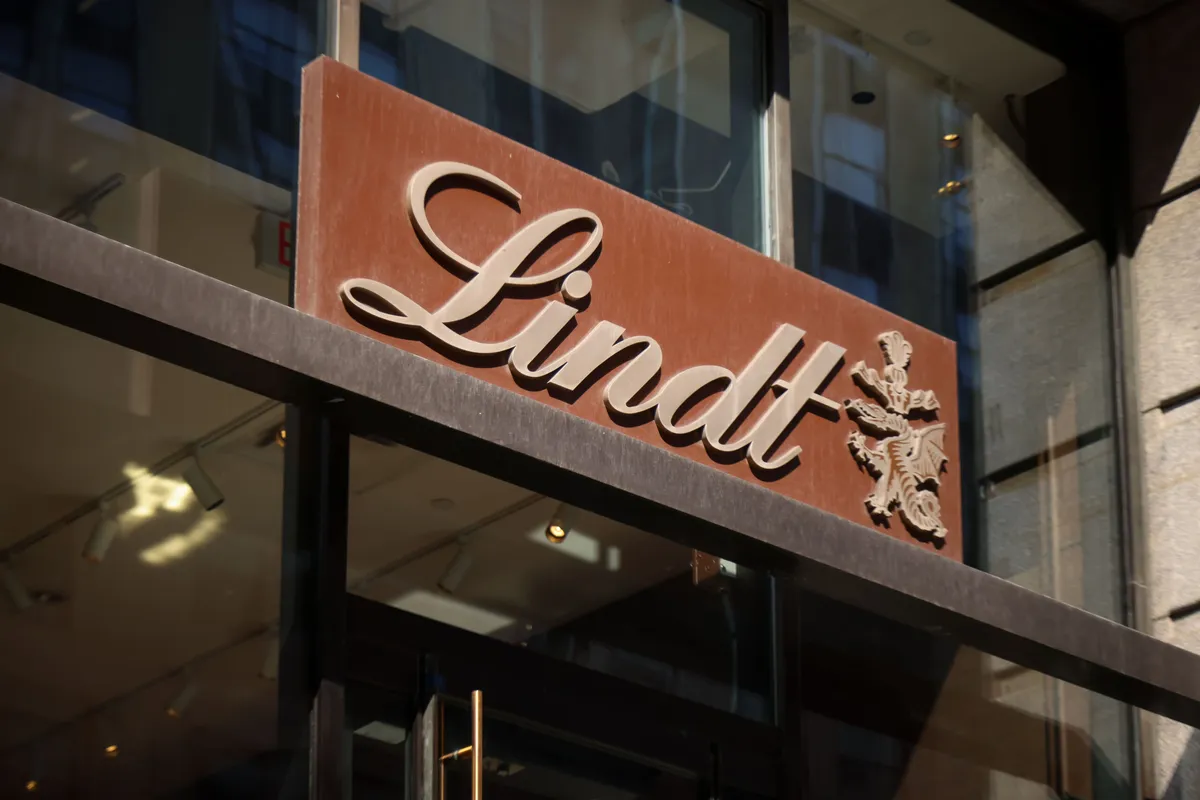
In a significant legal challenge that underscores the complexities of ethical sourcing in the chocolate industry, Lindt & Spruengli AG, the renowned Swiss chocolate maker, is facing a lawsuit in the U.S. that alleges the company has misrepresented its commitment to combating child labor in cocoa production. Filed by the activist law firm International Rights Advocates in a District of Columbia court, the complaint claims that Lindt's marketing and packaging falsely portray the company as a leader in the fight against child labor, despite ongoing practices that allegedly undermine these assertions.
The lawsuit shines a spotlight on the broader issues of transparency and corporate responsibility, particularly in industries reliant on supply chains that span across developing nations. With cocoa primarily sourced from Ghana and the Ivory Coast, regions plagued by systemic child labor concerns, the allegations pose critical questions about the ethical implications of consumer goods and the responsibilities of multinational corporations.
Unpacking the Allegations Against Lindt
The heart of the lawsuit revolves around claims that Lindt has not only failed to adequately combat child labor within its supply chains but has also misled consumers regarding its efforts. The complaint states, "Lindt has promised the public that it is working to end this abusive practice in its supply chain and moving towards responsibly and sustainably sourced cocoa." In stark contrast, the firm argues that Lindt continues to profit from child labor while taking minimal action to prevent it.
Central to the lawsuit is the assertion that Lindt's use of certifications on its packaging misrepresents its role as a "benevolent actor fighting against child labor." These certifications, which are intended to assure consumers of ethical practices, are called into question by the law firm, which contends that they may not accurately reflect the realities on the ground in cocoa-producing regions.

Lindt's Response and Sustainability Initiatives
In response to the allegations, Lindt has categorically denied the claims, labeling them as "misguided." The company maintains that it has established rigorous supplier protocols and conducts systematic investigations into suspected cases of child labor within its supply chain. Lindt's commitment to sustainability and ethical sourcing has been highlighted through its recently unveiled sustainability plan, which aims for all its cocoa to be certified by the Rainforest Alliance by 2030. This certification is designed to include strict guidelines on preventing and mitigating child labor.
Critics of Lindt and other chocolate manufacturers argue that while such initiatives are a step in the right direction, they often fall short of addressing the root causes of child labor. Factors such as poverty and lack of access to education drive families in these regions to depend on child labor for income, complicating the efforts of companies to enact meaningful change.
The Broader Context: Chocolate Industry Practices
This lawsuit is not an isolated incident in the chocolate industry, which has long struggled with ethical sourcing practices. Child labor has been a persistent issue in cocoa production, with reports indicating that over two million children are involved in cocoa farming in West Africa alone. Despite various industry pledges over the years aimed at eradicating child labor, progress has been slow, and many activists and NGOs argue that voluntary measures are insufficient to drive systemic change.
As consumers become more educated about the origins of their food and the ethical implications of their purchases, the demand for transparency in sourcing has grown. This has led to increased scrutiny of companies like Lindt, with consumers expecting not just marketing promises but verifiable actions that contribute to ending child labor.

The Legal Landscape: Implications for Corporations
The lawsuit against Lindt brings attention to the legal responsibilities of multinational corporations in ensuring ethical practices throughout their supply chains. As consumer advocacy groups and activists push for greater accountability, companies may face increased legal risks for misleading marketing and inadequate measures to combat social issues like child labor.
In recent years, there has been a growing trend of lawsuits targeting corporations for their roles in human rights violations abroad. This shift reflects a broader societal demand for corporate accountability, where companies must not only focus on profit margins but also consider their impact on communities and the environment. The outcome of this lawsuit could set a precedent for future cases and influence how corporations approach their supply chain ethics.

Key Takeaways
- Lindt faces a lawsuit alleging it misrepresents its efforts against child labor in cocoa sourcing.
- The lawsuit highlights the ongoing issues of child labor in the chocolate industry, particularly in West Africa.
- Lindt denies the allegations and cites its sustainability initiatives as evidence of its commitment to ethical sourcing.
- This case raises questions about corporate responsibility and the effectiveness of voluntary certifications.
- The outcome may influence future legal actions against companies regarding supply chain ethics.
Frequently Asked Questions
What are the main allegations against Lindt in this lawsuit?
The main allegations against Lindt revolve around claims that the company has falsely marketed itself as a leader in combating child labor in cocoa production while continuing to profit from child labor practices. The lawsuit argues that Lindt’s use of certifications on its products misleads consumers about the true nature of its supply chain and efforts to address this critical issue.
How does Lindt respond to these allegations?
Lindt has denied the allegations made against it, describing them as misguided. The company asserts that it has implemented supplier protocols and investigates suspected child labor cases within its supply chain. Additionally, Lindt emphasizes its commitment to sustainability, including plans to have all cocoa certified by the Rainforest Alliance by 2030, which includes guidelines to prevent child labor.
What are the implications of this lawsuit for the chocolate industry?
The implications of this lawsuit could be significant for the chocolate industry as it shines a light on the ongoing child labor issues within cocoa production. If the lawsuit leads to a ruling against Lindt, it may encourage other companies to reevaluate their sourcing practices and increase transparency. Furthermore, it could pave the way for more lawsuits aimed at holding corporations accountable for their supply chain ethics.
What can consumers do to ensure ethical chocolate purchasing?
Consumers can play a vital role in promoting ethical chocolate purchasing by educating themselves about the brands they support. Looking for certifications such as Fair Trade or Rainforest Alliance, researching company practices, and advocating for transparency can help drive demand for ethically sourced products. By making informed choices, consumers can encourage companies to prioritize ethical practices in their supply chains.
Comments
Bridging the Maritime Insurance Gap: Enhancing Seafarer Welfare
As the maritime industry grapples with a shortage of qualified officers, the welfare of seafarers is being prioritized. A new insurance initiative aims to close the coverage gap for crew members once they leave the ship.

Related articles







Popular in Business Insurance
- Surging War-Risk Insurance Rates in the Strait of Hormuz: What It Means for Shipping
- Ross & Yerger Insurance Faces Class Action Over Data Breach Allegations
- Sompo Expands U.S. Workers' Compensation Portfolio with Service Insurance Acquisition
- Legal Battle Unfolds Over $1 Million Truck Crash Insurance Payout
- Howden Group's Ambitious Journey Toward IPO and Expansion