Iranian Strikes on Oil Tankers Heighten Maritime Risk in the Persian Gulf
Recent attacks on oil tankers in the Strait of Hormuz by Iran have escalated tensions in the region, prompting shifts in maritime insurance rates and concerns among U.S. officials. As the conflict continues, the implications for shipping and energy markets are profound.
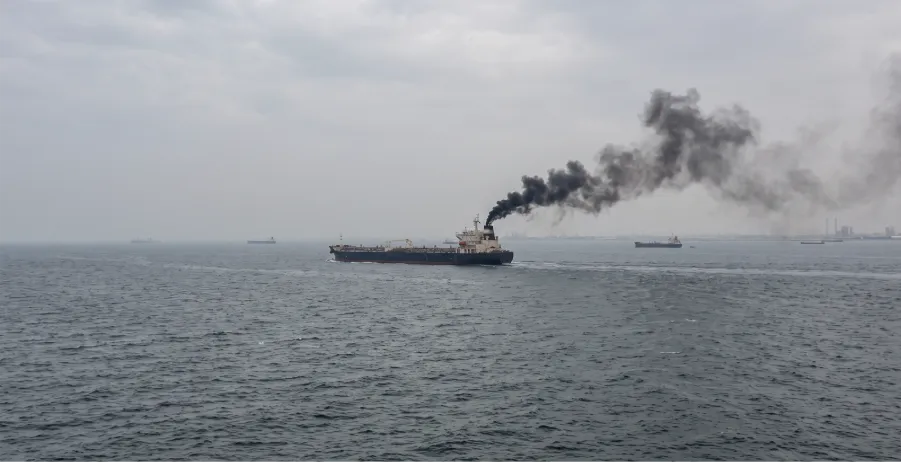
The geopolitical landscape in the Strait of Hormuz has once again been shaken by recent Iranian strikes targeting two oil tankers under the protection of U.S. naval escorts. This incident, reported by Iran's Revolutionary Guard, has prompted immediate shifts in maritime insurance markets and raised questions about the safety of shipping in this critical waterway. As tensions escalate, the oil market has reacted with increased prices, reflecting fears of further conflict.
President Trump has called an emergency cabinet meeting at Camp David to discuss potential responses to this crisis, which is now entering its sixth month. While U.S. Central Command has contested Iran's claims of controlling the Strait, the ramifications of these attacks are being felt far beyond the immediate military concerns. The situation highlights a complex interplay between geopolitical risk, maritime insurance, and global energy prices.
Impact on Oil Markets
In the wake of the strikes, Brent crude prices surged toward $89.90 per barrel, with West Texas Intermediate nearing $84.40. This rapid increase is part of a broader trend—earlier this week, Brent briefly crossed the $90 mark, spurred by heightened fears following an attack that resulted in American casualties. The oil market's volatility illustrates how quickly geopolitical events can impact commodity prices, affecting consumers and businesses across the globe.
Analysts have noted that the rising oil prices often correlate with increased tensions in the region, particularly in the Strait of Hormuz, which serves as a crucial transit route for approximately 20% of the world's oil supply. As the conflict continues, the risk of further disruptions looms large, prompting oil traders and companies to adjust their strategies in anticipation of continued volatility.

Maritime Insurance Rates in Flux
The marine war-risk insurance market is currently at a turning point, with the recent attacks pushing premiums higher once again. After experiencing a decline in rates, where war-risk premiums for transiting the Strait had eased from a peak of nearly 10% of a vessel's hull value to a range of 3% to 8%, the new incidents have rekindled fears among shipowners. This spike still represents a staggering increase from the pre-war baseline rate of approximately 0.25%.
Neil Roberts, head of marine and aviation at the Lloyd's Market Association, explained that premiums tend to rise sharply following an incident but decline only gradually. This pattern reflects the heightened perceived risks associated with shipping in high-threat areas. The ongoing conflict has led to the entire Persian Gulf being classified at the highest risk level by the Joint War Committee, which monitors maritime threats.
- War-risk premiums: Increased from 0.25% pre-conflict to 3-10% currently.
- Market volatility: Prices react swiftly to geopolitical events.
- Geopolitical analysis: The situation is fluid and requires close monitoring.
U.S. Government Response and Industry Effects
The U.S. government has sought to stabilize the maritime insurance market through various measures, including the establishment of a maritime reinsurance facility by the U.S. International Development Finance Corporation (DFC). Initially funded with $20 billion, this facility was expanded to $40 billion in response to the escalating conflict. However, as of May, it had not yet written any policies, indicating that shipowners are still hesitant to navigate the Strait due to the high perceived risks, regardless of available coverage.
Insurers and brokers have expressed concern that the DFC program, while capable of absorbing losses, cannot mitigate the inherent dangers of operating in a war zone. The gap between available coverage and actual risk remains a significant barrier to reassuring shipowners and operators. Industry experts warn that unless the political and military tensions ease, premiums will likely remain elevated, putting additional strain on global shipping and energy sectors.
Domestic Political Considerations
As the U.S. government grapples with the implications of the ongoing conflict, domestic political dynamics add another layer of complexity. Recent polling indicates that only one-third of Americans support the war, the lowest level since the conflict began. This public sentiment is influencing congressional actions, with a recent resolution against the war failing to advance due to a narrow vote in the Senate.
With midterm elections approaching, the administration faces mounting pressure to demonstrate progress in the conflict. This could lead to renewed diplomatic efforts or, conversely, further military actions, as indicated by President Trump's recent statements. The uncertainty in political decision-making could also have profound effects on maritime insurance and oil markets, as stakeholders await clarity on the U.S. strategy moving forward.

Key Takeaways
- The recent Iranian strikes have heightened risks in the Strait of Hormuz, affecting oil prices.
- Maritime war-risk premiums have surged, reflecting increased concerns among shipowners.
- The U.S. government is trying to stabilize insurance markets but faces limitations.
- Domestic political pressures may influence U.S. responses to the conflict.
- Monitoring the evolving situation is crucial for stakeholders in the maritime and energy sectors.
Frequently Asked Questions
How do the attacks impact the oil market?
The attacks on oil tankers in the Strait of Hormuz lead to immediate spikes in oil prices due to fears of supply disruptions. The Strait is a vital transit route for global oil, and any threat to shipping can have ripple effects across energy markets. Traders react quickly to perceived risks, causing prices to fluctuate dramatically based on the latest developments in the region.
What are war-risk premiums, and how are they determined?
War-risk premiums are additional charges applied to maritime insurance policies for vessels operating in high-risk areas, such as conflict zones. These premiums are determined by assessing the level of risk associated with operating in specific regions, factoring in historical data, current events, and the overall geopolitical climate. Following incidents like attacks on vessels, premiums typically increase sharply as underwriters reassess the risk landscape.
What steps is the U.S. government taking to mitigate these risks for shipping companies?
The U.S. government has established a maritime reinsurance facility aimed at supporting shipping companies operating in the Strait of Hormuz. This facility is intended to provide coverage and financial backing to mitigate losses incurred due to conflicts. However, despite its creation, there are challenges in convincing shipowners to operate in a war zone, highlighting the limitations of financial solutions in the face of real-world dangers.
How should shipping companies respond to the current situation?
Shipping companies should closely monitor developments in the Strait of Hormuz and adjust their risk management strategies accordingly. This may involve reassessing routes, increasing safety measures, and staying informed about the geopolitical climate. Companies should also engage with their insurance providers to ensure they have adequate coverage and understand the implications of any changes in maritime risk assessments.
Comments
Cyberattacks on Water Utilities Spark Debate Over Insurance Coverage
Recent cyberattacks on U.S. water systems raise concerns regarding the adequacy of cyber insurance coverage, especially regarding war exclusions. As state-linked activities increase, utilities must reassess their cybersecurity posture and insurance policies.

Related articles




Popular in Business Insurance
- Surging War-Risk Insurance Rates in the Strait of Hormuz: What It Means for Shipping
- Ross & Yerger Insurance Faces Class Action Over Data Breach Allegations
- Sompo Expands U.S. Workers' Compensation Portfolio with Service Insurance Acquisition
- Legal Battle Unfolds Over $1 Million Truck Crash Insurance Payout
- Howden Group's Ambitious Journey Toward IPO and Expansion