Bridging the Valuation Gap: Tackling Commercial Property Underinsurance
Many businesses face significant financial risks due to underinsurance in their commercial property coverage. This article explores the reasons behind valuation gaps, their implications, and how brokers can help clients navigate these challenges effectively.
In today's rapidly changing economic landscape, businesses face numerous challenges that can threaten their financial stability. One of the more insidious issues is commercial property underinsurance, a situation where the insured value of a property falls short of the actual reconstruction costs. Recent studies highlight that a staggering 68% of commercial buildings appraised between 2020 and 2021 were underinsured by at least 25%. For business owners, this valuation gap can lead to devastating financial consequences, particularly in the event of a total loss. As a result, understanding how to accurately assess property values and avoid underinsurance has never been more crucial.
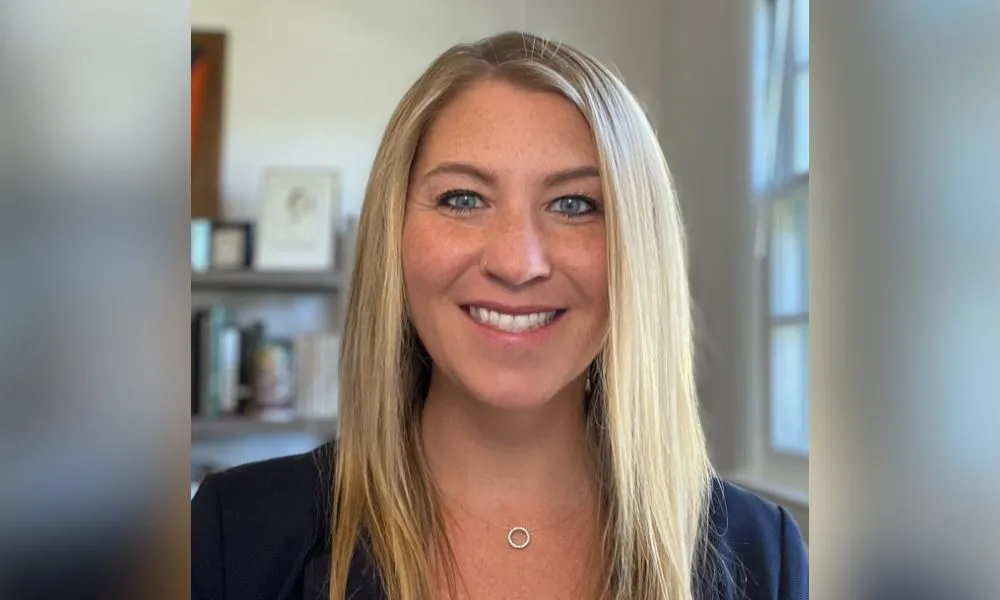
Sophie Bird, Senior Vice President of Commercial Lines at IMA Financial Group, emphasizes that brokers play a pivotal role in bridging this valuation gap. It’s not merely an oversight or an exception but a frequent occurrence that should be treated as a baseline assumption. The implications of this endemic issue are profound, as brokers who fail to address it could inadvertently leave their clients vulnerable when disaster strikes.
Understanding the Underinsurance Crisis
The concept of underinsurance extends beyond mere numbers; it reflects a deeper misunderstanding of how property values evolve over time. Factors such as inflation, changes in construction materials, and market trends all contribute to the shifting landscape of property values. For many brokers and their clients, the challenge lies in keeping up with these changes.
The Common Misconceptions
- Market Value vs. Insurable Value: Many clients conflate these terms, assuming that the market value of their property is sufficient for insurance purposes. However, insurable value should reflect the actual reconstruction costs, which can differ significantly.
- Inflation Adjustments: Simple annual inflation adjustments are often inadequate, as rising construction costs can outpace standard inflation rates.
- Coinsurance Penalties: Policies with coinsurance clauses can impose significant penalties if a property is underinsured at the time of a claim, potentially leading to reduced payouts.

The Role of Brokers in Valuation
Brokers are on the front lines of this issue, serving as the primary advisors for their clients. Bird advises that every new prospect undergo a detailed replacement cost analysis, which should be revisited annually for existing clients. This proactive approach ensures that declared property values align with the actual costs of reconstruction.
Engaging Clients in Valuation Discussions
When clients express reluctance to undertake a full valuation review, brokers must pivot the conversation towards the potential consequences of remaining underinsured. Bird suggests framing the discussion around a crucial question: “If you suffered a total loss tomorrow, what would you do?” This question can help clients understand the importance of accurate insurance coverage that reflects current reconstruction costs.
Legal Obligations and Professional Liability
The ramifications of underinsurance extend beyond financial implications; they can also pose significant legal risks for brokers. In various jurisdictions, brokers have a legal duty to disclose any policy conditions that could materially affect claim payments. Bird asserts that failing to communicate valuation concerns can expose brokers to professional liability issues.
Documenting Client Interactions
To mitigate these risks, brokers should meticulously document all discussions related to property valuations and client decisions. If a client opts not to increase their coverage despite understanding the risks, it is essential to obtain written acknowledgment of that decision. This documentation serves not only as a protective measure but also as a standard practice that reinforces the broker's commitment to their clients.

Adapting to Market Trends
In an environment where construction costs are in flux, brokers must remain vigilant in advising clients on market trends and inflationary pressures. Bird emphasizes that property valuation shouldn’t be an afterthought; it should be part of a consultative risk management conversation that aligns with the client’s long-term objectives.
Annual Valuation Reviews
Rather than viewing property valuations as an arduous task, brokers should approach this annual process as an opportunity to strengthen client relationships. Regular reviews can provide invaluable insights into shifting market dynamics and help clients make informed decisions about their coverage. As Bird points out, this process requires relatively little time compared to the potential costs associated with underinsurance.

Key Takeaways
- **68% of commercial buildings are underinsured by at least 25%** according to recent studies.
- Brokers should conduct **annual replacement cost analyses** for all clients to ensure accurate valuations.
- Understanding the difference between **market value and insurable value** is crucial for proper coverage.
- **Documentation of client decisions** regarding coverage is essential to mitigate professional liability risks.
- Regular discussions about **market trends and construction costs** can help clients avoid underinsurance.
Frequently Asked Questions
What are the main causes of commercial property underinsurance?
Commercial property underinsurance often arises from a lack of updated valuations, inflationary pressures on construction costs, and a misunderstanding of the difference between market value and insurable value. Businesses may also neglect to regularly assess their coverage limits, leading to a gap between what they believe their property is worth and the actual reconstruction costs they would face in the event of a loss.
How can brokers effectively communicate the importance of accurate property valuations to clients?
Brokers can engage clients by framing discussions around potential scenarios, such as total loss situations, and emphasizing the financial implications of underinsurance. Using real-world examples of previous clients who faced significant losses can help illustrate the risks involved. Additionally, presenting data from replacement cost analyses can provide concrete evidence to support the need for regular valuation reviews.
What are coinsurance penalties, and how do they affect claims?
Coinsurance penalties occur when a property is insured for less than a specified percentage of its actual value. If a claim is made, the insurer may reduce the payout based on the amount of underinsurance. This means that if a property is valued at $1 million but only insured for $800,000 with a 90% coinsurance requirement, the insurer could penalize the claim payout proportionally, resulting in a significant financial shortfall for the property owner.
Why is documentation important in the context of property valuation discussions?
Documentation serves as a protective measure for brokers, ensuring that they have a clear record of discussions with clients regarding property valuations and any recommendations made. In the event of a claim or legal dispute, having comprehensive documentation can demonstrate that the broker fulfilled their duty to inform the client about potential underinsurance risks. This practice not only protects the broker but also reinforces the importance of transparency and accountability in client relationships.
Comments
Cyberattacks on Water Utilities Spark Debate Over Insurance Coverage
Recent cyberattacks on U.S. water systems raise concerns regarding the adequacy of cyber insurance coverage, especially regarding war exclusions. As state-linked activities increase, utilities must reassess their cybersecurity posture and insurance policies.

Related articles





Popular in Business Insurance
- Surging War-Risk Insurance Rates in the Strait of Hormuz: What It Means for Shipping
- Ross & Yerger Insurance Faces Class Action Over Data Breach Allegations
- Sompo Expands U.S. Workers' Compensation Portfolio with Service Insurance Acquisition
- Legal Battle Unfolds Over $1 Million Truck Crash Insurance Payout
- Howden Group's Ambitious Journey Toward IPO and Expansion