Strait of Hormuz Incidents Signal New Risks for Marine Underwriters
Recent attacks on vessels in the Strait of Hormuz have raised urgent concerns for marine underwriters, prompting shifts in war-risk pricing and affecting global shipping routes. As the situation escalates, stakeholders must navigate the complexities of maritime security and insurance.
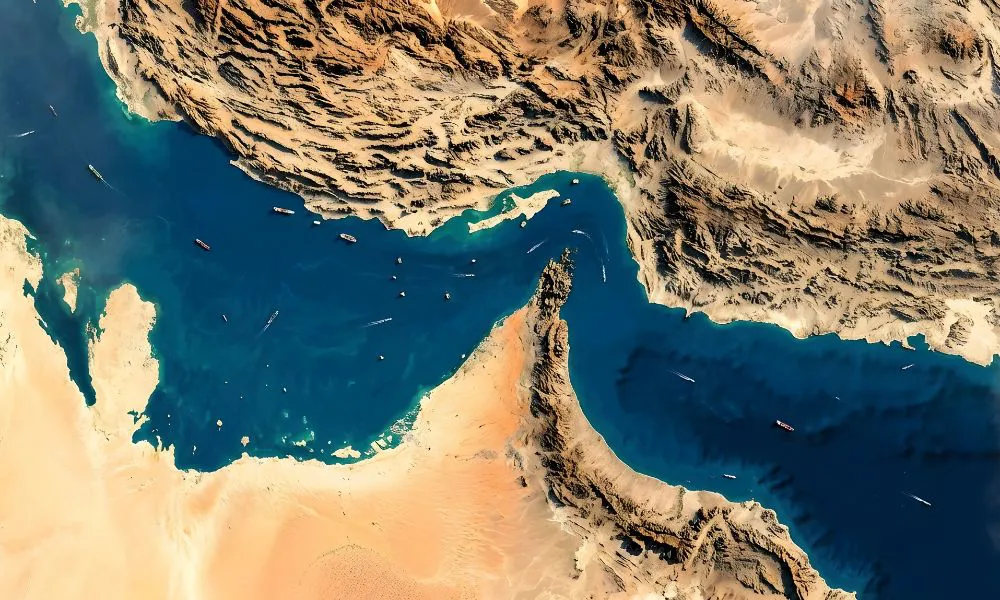
The Strait of Hormuz, a critical artery for global energy supply, has become a flashpoint once again, following a spate of attacks on commercial vessels that has sent ripples through the marine insurance market. In just 48 hours, three incidents were reported, culminating in a serious attack on the bulk carrier Minoan Pioneer, which was struck by an ‘unknown projectile’ near Oman. This attack not only knocked out power onboard but also triggered a fire, highlighting the escalating dangers that vessels face in this volatile region.
As these incidents unfold, underwriters are on high alert, and the implications extend far beyond the immediate aftermath of the attacks. The marine insurance market operates on a delicate balance of risk assessment, and events like these can lead to swift adjustments in war-risk pricing, often within mere hours. This article delves into the recent attacks, the broader context of maritime security in the region, and what these developments mean for marine underwriters and shipowners alike.
Understanding the Recent Incidents
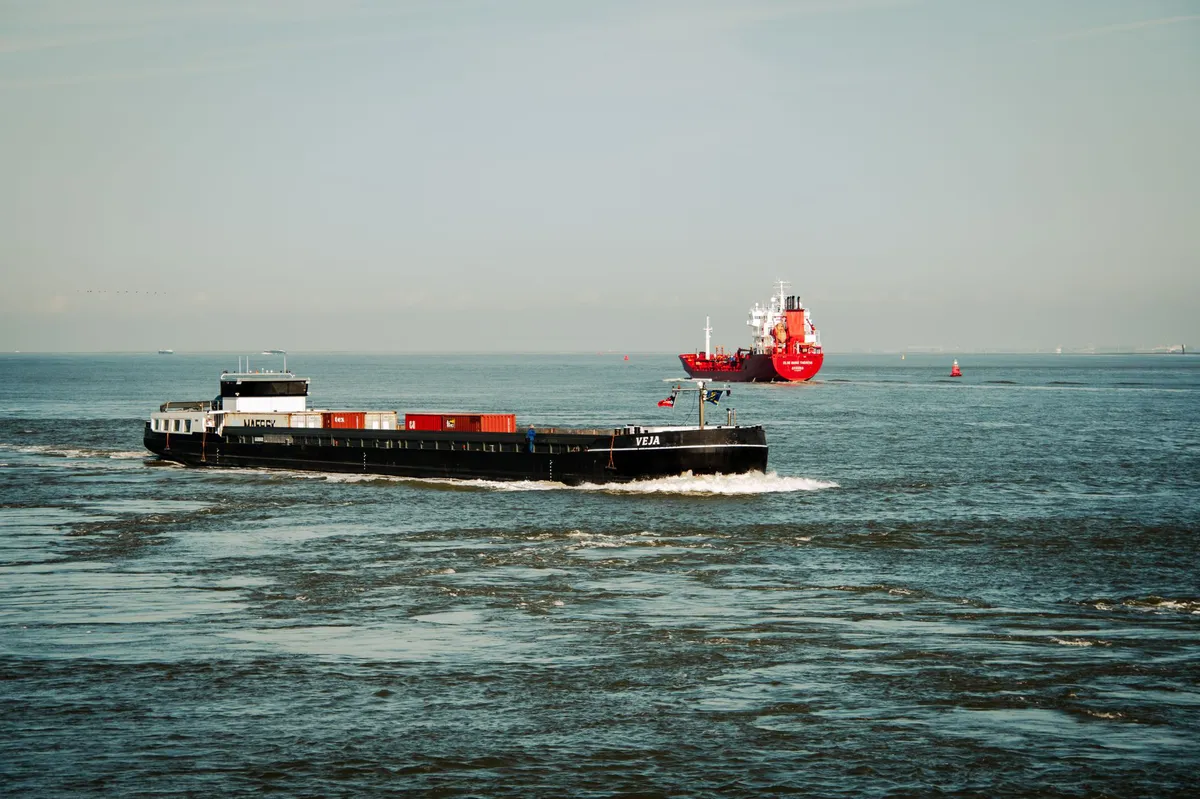
The latest attack on the Minoan Pioneer occurred approximately 20 nautical miles northeast of Al Khasab, Oman. According to reports from the United Kingdom Maritime Trade Operations (UKMTO), the vessel issued a distress call, indicating a serious situation onboard. While the identity of the ship and specifics of the damage are still under verification, maritime security firm Vanguard Tech has confirmed the vessel's name and details about the incident. The fire that broke out in the engine room raises concerns about the safety and security of shipping operations in the Strait—a region already fraught with tension.
In addition to the Minoan Pioneer incident, two other near-misses were reported just a day prior, involving the VLCC Egypt Prosperity and Aframax On Pride. These incidents, though not resulting in significant damage, underscore a troubling trend of clustering attacks, which have historically led to immediate spikes in war-risk premiums.
The Impact on War-Risk Pricing
The frequency and severity of attacks in the Strait of Hormuz have profound implications for marine insurance pricing. Before the escalation of hostilities in February 2023, the cost of war-risk coverage for transit through Hormuz was relatively low—approximately **0.25%** of a vessel’s value. However, as tensions flared, this cost surged to nearly **10%** of hull value, representing a staggering increase of up to **40 times**.
This volatility in pricing is a direct reflection of the underlying risk perceived by underwriters. According to industry reports, premiums adjusted sharply after incidents, with previous reductions in pricing quickly reversed as new threats emerged. The pattern indicates that underwriters are closely monitoring geopolitical developments and adjusting their pricing models accordingly.
The Mechanics of War-Risk Insurance
War-risk insurance is designed to cover losses incurred due to acts of war, terrorism, or piracy. In the context of the Strait of Hormuz, underwriters analyze several factors when determining premiums:
- Frequency of Incidents: A rise in attacks leads to higher premiums.
- Geopolitical Tensions: Ongoing conflicts and diplomatic relations influence risk assessments.
- Market Capacity: The availability of insurance coverage affects pricing structures.
- Historical Data: Past incidents help underwriters predict future risks.
With the recent incidents, underwriters are faced with a complex decision-making process. They must weigh the need to provide coverage against the potential financial exposure associated with increased risk.

The Broader Context: Geopolitical Tensions and Market Dynamics
The current situation in the Strait of Hormuz cannot be viewed in isolation. The backdrop includes a failed ceasefire between the U.S. and Iran, with both nations engaging in a war of words and military posturing. As tensions rise, the potential for further attacks looms large, complicating the landscape for marine insurance.
Moreover, the operational capacity of shipping routes is being tested. While the Red Sea has historically served as an alternate route for tankers avoiding Hormuz, recent conflicts have constrained this option as well. Houthi forces have declared a blockade on Saudi Red Sea ports, further complicating logistics for oil shipments. This compounding risk adds layers of uncertainty for underwriters and shipowners.
Alternative Routes Under Pressure
With the Red Sea route now facing its challenges, the maritime industry is grappling with a situation where risk exposure is no longer confined to a single chokepoint. Instead, it has broadened, affecting multiple critical shipping lanes. As shipping lines reassess their routes, the potential for delays and increased operational costs becomes a reality, which can impact global supply chains.
Shipping companies must remain agile, continuously evaluating their options in light of shifting geopolitical dynamics. Major carriers, such as Hapag-Lloyd, are closely monitoring the situation and are poised to adapt their services as needed.
Future Considerations for marine underwriters
The critical question for marine underwriters is how to respond to the evolving landscape of risk in the region. The Lloyd's Market Association is likely to revisit the high-risk designations for the Persian Gulf and potentially extend those designations to the Red Sea. Such moves would further tighten the already strained insurance market.
Additionally, the potential for reinsurers to withdraw capacity after a brief period of cautious re-entry presents challenges. Underwriters may consider introducing measures such as no-claims bonuses to incentivize shipowners to navigate these waters safely. However, the sustainability of such incentives in the face of rising incidents remains uncertain.
Monitoring Developments
As the situation in the Strait of Hormuz continues to develop, underwriters and maritime stakeholders must remain vigilant. The reported missing crew member from the Minoan Pioneer incident and the ongoing threats in the Red Sea highlight the need for comprehensive risk assessments. The marine insurance market must adapt to these challenges to ensure that coverage remains available while managing the inherent risks of operating in these high-stakes waters.
Key Takeaways
- Three maritime incidents in 48 hours have raised significant concerns for underwriters in the Strait of Hormuz.
- War-risk premiums have surged dramatically, reflecting the escalating threats in the region.
- The geopolitical situation complicates the marine insurance landscape, with alternative routes also under pressure.
- Underwriters must consider their responses to evolving risks, including potential changes to high-risk designations.
Frequently Asked Questions
What constitutes war-risk insurance for maritime operations?
War-risk insurance covers losses incurred due to acts of war, terrorism, or piracy. It is crucial for maritime operations in high-risk areas, such as the Strait of Hormuz, where geopolitical tensions can lead to increased threats against vessels. The premiums for this type of insurance are influenced by the frequency of attacks, historical data, and the overall geopolitical climate.
How do recent attacks affect shipping routes and logistics?
Recent attacks in the Strait of Hormuz have led to heightened security concerns, prompting shipping companies to reassess their routes. The potential for delays and increased operational risks can disrupt global supply chains, affecting the timely delivery of goods. Additionally, with the Red Sea route facing its challenges, the options for avoiding Hormuz are becoming limited, which adds further complexity to maritime logistics.
What implications do these incidents have for marine insurers?
For marine insurers, the recent incidents signify a shift in the risk landscape. Underwriters may need to increase war-risk premiums, reevaluate their coverage policies, and possibly tighten high-risk designations. This could lead to a reduced capacity in the market as insurers recalibrate their strategies in response to the evolving threats.
What can shipowners do to mitigate risks in volatile regions?
Shipowners can take several steps to mitigate risks in volatile regions. These include implementing robust security measures, conducting thorough risk assessments, and maintaining open communication with insurance providers. Additionally, diversifying routes and staying informed about geopolitical developments can help shipowners navigate the complexities of operating in high-risk areas effectively.
Comments
25 States Challenge Trump's New Tariffs in Major Legal Battle
A coalition of 25 states has filed a lawsuit against President Trump's new tariffs, claiming they are illegal and unjust. This article examines the implications for businesses, consumers, and trade policy.
Related articles





Popular in Business Insurance
- Surging War-Risk Insurance Rates in the Strait of Hormuz: What It Means for Shipping
- Ross & Yerger Insurance Faces Class Action Over Data Breach Allegations
- Sompo Expands U.S. Workers' Compensation Portfolio with Service Insurance Acquisition
- Legal Battle Unfolds Over $1 Million Truck Crash Insurance Payout
- Howden Group's Ambitious Journey Toward IPO and Expansion