Ohio Court Upholds $100,000 Judgment Against Convenience Store for Fire Policy Mismanagement
An Ohio appeals court has upheld a judgment voiding a fire insurance policy for a convenience store, highlighting crucial lessons on policy ownership and legal representation.

In a significant ruling that underscores the importance of proper legal representation and accurate policy details, an Ohio appeals court has upheld a judgment against a convenience store for mismanaging its fire insurance policy. The case centers on Layannoor, Inc., which operates a convenience store in a leased property. When a fire damaged the store, the company found itself embroiled in a legal battle with United Ohio Insurance Co. that ultimately resulted in a $100,000 judgment against it. This case serves as a cautionary tale for business owners regarding the intricacies of insurance policy management.
The Genesis of the Dispute
The conflict began in June 2024, when Layannoor, Inc. sought compensation for damages incurred due to a fire at its convenience store. The crux of the problem lay within the fire insurance policy itself. Layannoor was incorrectly identified as the building's owner in the policy documents, while the actual owner was excluded from being listed as an additional insured party. This misclassification is not merely a clerical error; it is a critical aspect of obtaining valid property insurance, as it can affect coverage eligibility and claims processing.

The Legal Battle: Initial Claims and Counterclaims
Initially, United Ohio Insurance Co. had paid out a claim to Layannoor, believing it was the property's owner. However, upon recognizing the mistake in ownership designation, United Ohio filed a counterclaim for $100,000 to recover the funds it had disbursed. This counterclaim set the stage for a drawn-out legal skirmish. Despite the financial stakes, Layannoor's legal representation began to falter, which ultimately led to the case's stagnation.
Legal Representation and Its Consequences
The absence of legal counsel proved detrimental to Layannoor's case. As the months progressed, both of Layannoor's attorneys withdrew from the case—one in December 2024 and the other in March 2025. This withdrawal left Layannoor without representation, which is crucial for any corporation as they cannot litigate without a licensed attorney. The company failed to engage new counsel, resulting in a default judgment entered by the trial court against Layannoor on July 2, 2025. The court voided the fire policy, citing the misidentification of the property's owner, and ordered Layannoor to repay the $100,000 to United Ohio.
Attempts to Reopen the Case
In the aftermath of the default judgment, Layannoor eventually sought to reinstate its case with new legal representation, claiming that their previous neglect was excusable. A representative from Layannoor testified that they had intended to hire new counsel for a pretrial conference scheduled for mid-October 2025. However, this assertion raised questions about the company's commitment to addressing the ongoing litigation, as they had allowed several months to pass without any meaningful action.
The Appeals Court Decision
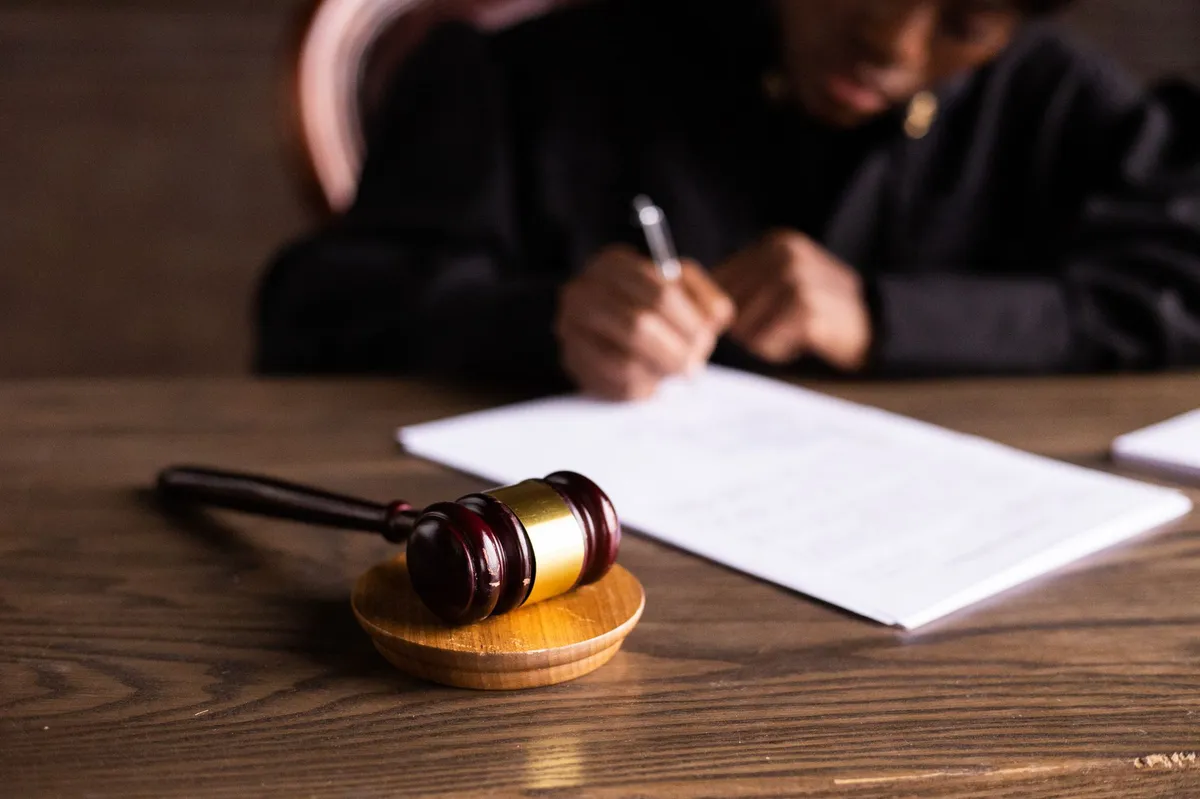
On July 30, 2026, the appeals court delivered its ruling, reversing the trial court's decision to reopen the case. The court noted that there was a clear lack of confusion regarding the withdrawal of Layannoor’s attorneys. The judges emphasized that the company's failure to engage in the litigation process was a conscious choice, amounting to a “carelessness, inattention, or willful disregard” of the court's procedures. The appeals court acknowledged that the outcome might seem harsh, but they prioritized the finality of judgments and the need to maintain balance in judicial processes over the potential for Layannoor's reinstatement.
Implications for Business Owners
This case highlights several critical lessons for business owners regarding fire insurance policies and their management:
- Accurate Policy Details: Ensuring that insurance policies reflect the correct ownership and other essential details is paramount. Misidentifications can lead to significant financial repercussions.
- Legal Representation: Businesses must prioritize having qualified legal counsel throughout any litigation process. The absence of representation can jeopardize a case, leading to default judgments.
- Timely Action: Companies should act swiftly when legal issues arise. Delays in securing representation or responding to claims can lead to adverse outcomes.
- Understanding Coverage: Business owners should familiarize themselves with the terms and conditions of their insurance policies, including who is covered and any exclusions that may apply.

Key Takeaways
- Ohio court upheld a $100,000 judgment against Layannoor, Inc. due to policy mismanagement.
- The case emphasizes the importance of accurate legal representation in insurance disputes.
- Timely action in addressing legal issues can prevent unfavorable outcomes.
Frequently Asked Questions
What led to the judgment against Layannoor, Inc.?
The judgment against Layannoor, Inc. stemmed from a misclassified fire insurance policy that incorrectly listed the company as the property owner. This misidentification, coupled with the failure to maintain legal representation, resulted in a default judgment of $100,000 against Layannoor.
How can businesses avoid similar issues with their insurance policies?
To prevent issues like those faced by Layannoor, businesses should ensure that their insurance policies accurately reflect ownership and include all necessary parties as additional insured. Regular reviews of policies and consultations with legal and insurance professionals can help identify potential discrepancies and avoid future litigation.
What are the risks of not having legal representation in insurance disputes?
Without legal representation, businesses may struggle to navigate the complexities of insurance law and litigation. They risk failing to respond to claims or court actions in a timely manner, which can lead to default judgments and financial losses. Engaging a qualified attorney experienced in insurance matters is crucial for effectively managing disputes.
Comments
The Hartford's Strategic Acquisition of Equitable's Employee Benefits Business
The Hartford is set to acquire Equitable's Employee Benefits division, enhancing its offerings for small and midsized businesses. This strategic move aims to integrate advanced technology and expand their market share in a growing sector.

Related articles





Popular in Business Insurance
- Surging War-Risk Insurance Rates in the Strait of Hormuz: What It Means for Shipping
- Ross & Yerger Insurance Faces Class Action Over Data Breach Allegations
- Sompo Expands U.S. Workers' Compensation Portfolio with Service Insurance Acquisition
- Legal Battle Unfolds Over $1 Million Truck Crash Insurance Payout
- Howden Group's Ambitious Journey Toward IPO and Expansion