Transforming Insurance Teams: Insights from Industry Leader Paul Kottler
Paul Kottler, president of US loss adjusting at Crawford, shares insights on transforming insurance teams, integrating new talent, and future industry trends.
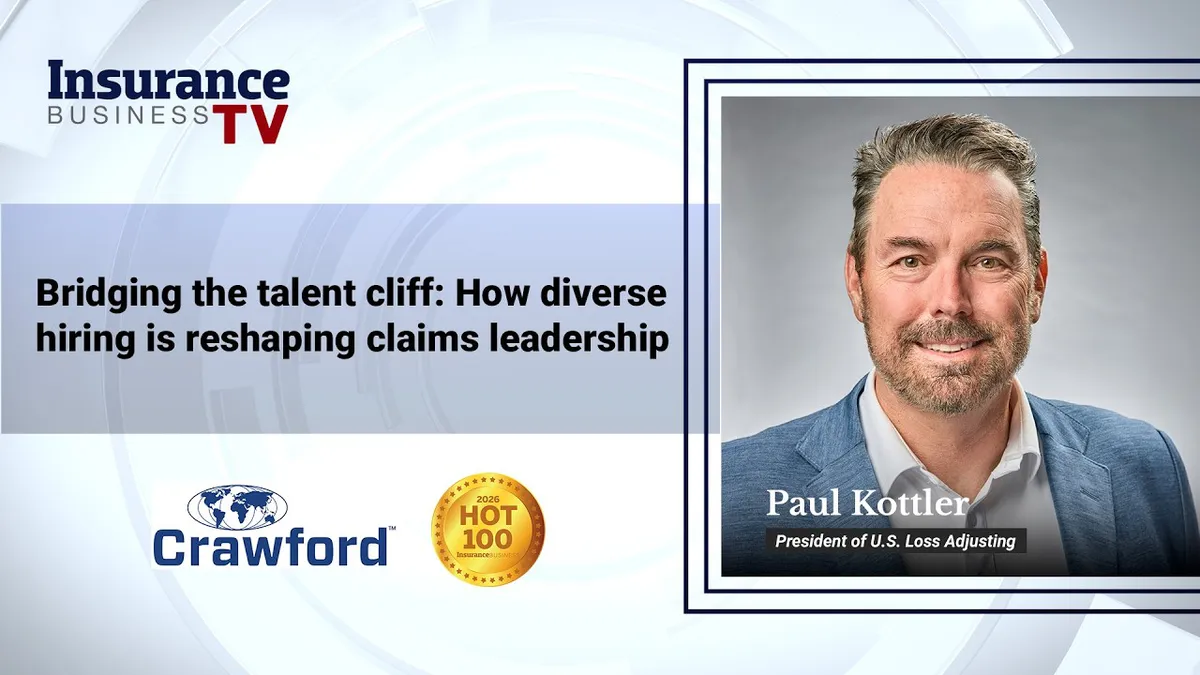
The insurance industry is undergoing a significant transformation, driven by technological advancements, changing consumer expectations, and the need for agility in operations. At the forefront of this transformation is Paul Kottler, the president of US loss adjusting at Crawford, who has been recognized in the Insurance Business Hot 100 for two consecutive years. Kottler's experience and leadership in the insurance sector provide a unique perspective on the challenges and opportunities facing teams today. In this article, we explore Kottler's insights on team transformation, talent integration, and the trends that will shape the future of the insurance industry.
Understanding Team Transformation in Insurance
Transforming a team in the insurance sector requires a multifaceted approach. Kottler emphasizes that successful transformation hinges on understanding the unique dynamics of the insurance environment. "It's not just about technology; it’s about people and processes," he notes. The first step in this transformation is fostering a culture that embraces change, innovation, and collaboration.
One of the key aspects of team transformation is the integration of new talent. As the insurance landscape evolves, companies are increasingly seeking individuals with diverse skill sets, particularly those that intersect with technology, data analytics, and customer experience. Kottler suggests that organizations should focus on creating an inclusive environment where new hires feel valued and empowered to contribute. This can be achieved through mentorship programs, continuous training, and opportunities for professional development.

The Role of Technology in Team Transformation
Technology plays a crucial role in the transformation of insurance teams. With the rise of insurtech startups and digital solutions, traditional insurers are compelled to adapt or risk falling behind. Kottler highlights that leveraging advanced analytics and artificial intelligence (AI) can enhance decision-making processes and improve operational efficiency. For example, AI-driven tools can streamline claims processing, allowing adjusters to focus on more complex cases that require human judgment.
Moreover, Kottler stresses the importance of using data analytics to drive strategic decisions. The insurance industry is rich in data, but it must be harnessed effectively. By implementing powerful dashboards and insights, teams can monitor key performance indicators (KPIs) and make informed decisions that align with business goals.

Integrating New Talent: Lessons Learned
Integrating new talent into an existing team can be a challenging process. Kottler shares several lessons learned from his experience. First, it is essential to establish clear communication channels. Regular check-ins and feedback sessions can help new employees acclimate to the company culture and understand their roles within the team.
Another crucial element is recognizing and valuing the unique perspectives that new hires bring. Kottler advises leaders to encourage fresh ideas and innovative thinking, as these can lead to improved processes and solutions. For instance, a new employee with a background in digital marketing might suggest strategies for enhancing customer engagement through social media, which could resonate with a younger demographic.
- Foster a culture of inclusion: Create an environment where all team members feel valued.
- Leverage technology: Use data analytics and AI to improve efficiency.
- Encourage innovation: Welcome new ideas from diverse talent.
- Establish clear communication: Regular feedback helps integrate new hires.
- Invest in training: Ongoing development is vital for team success.

Future Trends Shaping the Insurance Industry
Looking ahead, Kottler identifies several trends that will significantly impact the insurance industry. One major trend is the increasing focus on customer experience. As consumers become more tech-savvy, they demand seamless interactions with insurance providers. Companies that prioritize customer experience are more likely to retain clients and attract new ones.
Additionally, sustainability is emerging as a critical consideration in the insurance industry. Insurers are beginning to recognize the importance of environmental, social, and governance (ESG) factors in their operations. Kottler notes that companies that integrate sustainability into their business models not only contribute to a better world but may also enjoy a competitive advantage in attracting socially conscious consumers.
Key Takeaways
- Transforming an insurance team requires a focus on people, processes, and technology.
- Integrating new talent involves fostering a culture of inclusion and encouraging innovation.
- Technology, especially data analytics and AI, is essential for improving efficiency and decision-making.
- Future trends include an emphasis on customer experience and sustainability.
Frequently Asked Questions
What are the key challenges in transforming an insurance team?
Transforming an insurance team often involves resistance to change, unclear communication, and difficulties in integrating new talent. Employees may be accustomed to traditional practices and may be hesitant to adopt new technologies or processes. To overcome these challenges, leadership must actively promote a culture of change and provide the necessary support and training.
How can technology improve the efficiency of insurance teams?
Technology can streamline various processes within insurance teams, from claims handling to customer service. By utilizing automation, data analytics, and AI, teams can reduce manual tasks, enabling employees to focus on higher-value work. For instance, automated claims processing can expedite decision-making, leading to faster payouts and improved customer satisfaction.
Why is customer experience important in the insurance industry?
Customer experience is crucial in the insurance industry because it directly impacts client retention and satisfaction. With increasing competition, insurers must differentiate themselves by providing an exceptional experience. Companies that prioritize customer experience are more likely to build loyalty and attract new customers, ultimately driving revenue growth.
What role does sustainability play in the future of insurance?
Sustainability is becoming increasingly important in the insurance sector as consumers and businesses prioritize environmental responsibility. Insurers that adopt sustainable practices can enhance their reputation and appeal to ethically-minded consumers. Furthermore, integrating sustainability into business strategies can lead to innovation and new product offerings that align with consumer values.
Comments
The Hartford's Strategic Acquisition of Equitable's Employee Benefits Business
The Hartford is set to acquire Equitable's Employee Benefits division, enhancing its offerings for small and midsized businesses. This strategic move aims to integrate advanced technology and expand their market share in a growing sector.

Related articles







Popular in Business Insurance
- Surging War-Risk Insurance Rates in the Strait of Hormuz: What It Means for Shipping
- Ross & Yerger Insurance Faces Class Action Over Data Breach Allegations
- Sompo Expands U.S. Workers' Compensation Portfolio with Service Insurance Acquisition
- Legal Battle Unfolds Over $1 Million Truck Crash Insurance Payout
- Howden Group's Ambitious Journey Toward IPO and Expansion