Understanding the $46.75 Million Settlement for 23andMe Data Breach Victims
A federal judge has approved a significant settlement for victims of a major data breach at 23andMe. This article explores the implications of the breach, the settlement details, and what consumers should know about data privacy and legal recourse.
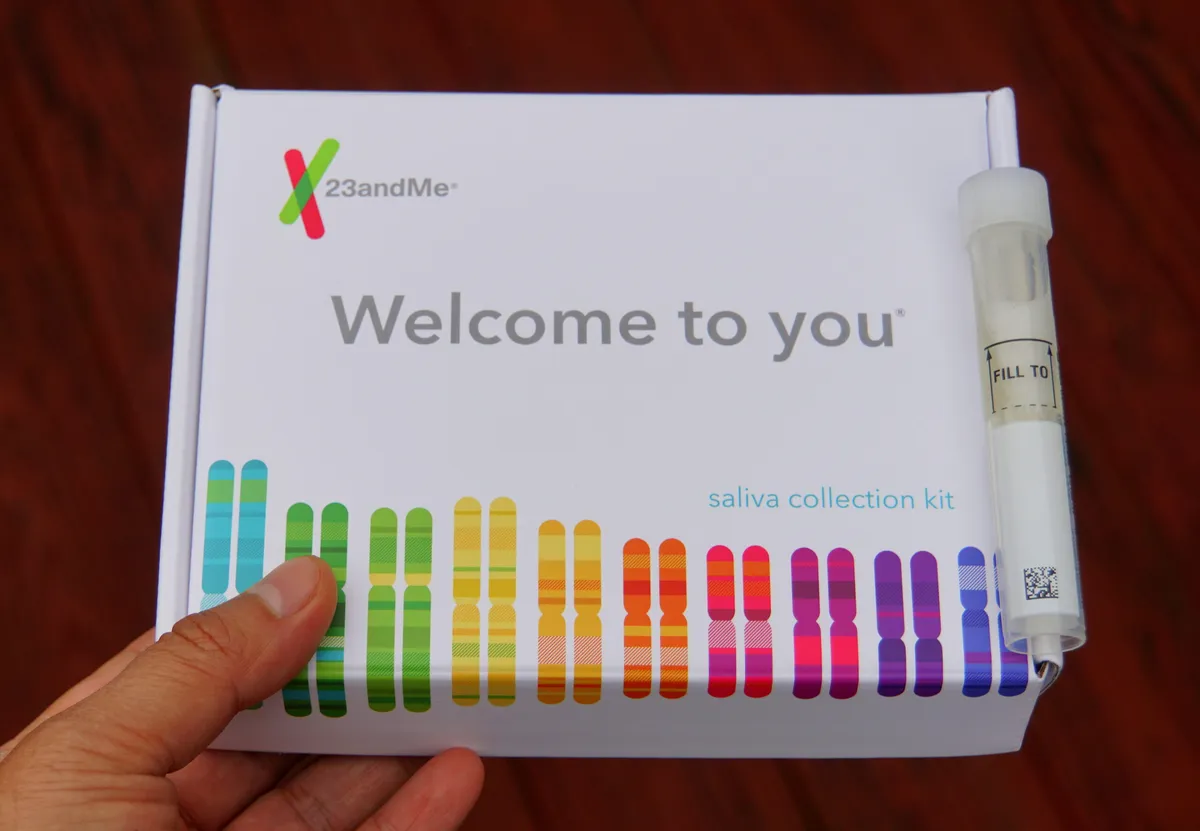
In a landmark decision that underscores the growing concerns around data privacy, a U.S. bankruptcy judge has approved a $46.75 million settlement for victims of the 2023 data breach involving genetic testing giant 23andMe. This breach, which exposed sensitive genetic and personal information of approximately 6.9 million customers, highlights the increasing vulnerabilities companies face in safeguarding consumer data. The implications of this case extend beyond the financial settlement; they raise critical questions about the responsibilities of companies to protect user data and the legal frameworks that govern these protections.
The approval by U.S. Bankruptcy Judge Brian Walsh in St. Louis on July 7, 2026, is seen as a pivotal moment in the ongoing conversation about digital privacy. The settlement aims to alleviate some of the consequences faced by victims of the breach while also addressing the broader concerns about the future of data security in the digital age. Given the scale and sensitivity of the information involved, this case serves as a cautionary tale for both consumers and businesses alike.
The Context of the Breach
Founded in 2006, 23andMe emerged as a pioneer in the genetic testing industry, allowing consumers to explore their ancestry and genetic predispositions. However, the company found itself in hot water after a significant data breach in 2023, which exposed not only genetic data but also personal identifiers, including names and email addresses. This breach led to a wave of lawsuits and eventually the company’s Chapter 11 bankruptcy filing in March 2025.
The Bankruptcy Filing
23andMe’s bankruptcy filing was prompted by multiple factors:
- **The Data Breach**: The breach resulted in substantial legal liabilities, including lawsuits and potential fines.
- **Increased Competition**: The genetic testing market saw a surge in competition, which pressured 23andMe's market share.
- **Decreased Demand**: A decline in consumer interest in genetic testing, compounded by economic conditions, further exacerbated the company's financial woes.
Following the Chapter 11 filing, the TTAM Research Institute, a nonprofit led by 23andMe's co-founder Anne Wojcicki, purchased the company's assets for $305 million, signaling a potential path forward for the beleaguered company.
The Settlement Breakdown
The approved settlement of $46.75 million will be distributed among the victims of the data breach. However, it is important to note that this amount is reduced by $14.29 million that had already been disbursed in connection with the breach, leaving a total additional payout of $32.46 million for claimants. The process for victims to claim their portion of the settlement will be governed by the bankruptcy court, which aims to ensure that the payout is administered fairly and equitably.
Implications for Victims
For the nearly 6.9 million affected customers, the financial settlement is a step towards restitution, though the average payout per victim is relatively modest. With the total settlement amount, each claimant could receive approximately $6.76, a figure that has drawn criticism and sarcasm from the public, indicating the inadequacy of financial compensation for the trauma of identity theft and privacy violations.
Legal Actions and Consequences
The data breach has also prompted legal scrutiny from various state authorities. California Attorney General Rob Bonta is pursuing additional legal action against 23andMe, accusing the company of neglecting warnings about its compromised systems and minimizing the severity of the breach. Bonta's office seeks millions in civil fines, emphasizing that the bankruptcy court should not shield 23andMe from state law enforcement actions.
The Role of State Courts
Bonta's stance raises critical questions about the relationship between bankruptcy courts and state legal jurisdictions. His argument suggests that allowing bankruptcy courts to operate without oversight could create a loophole for corporations to evade accountability for significant legal violations. This case could set a precedent for how data breach cases are handled in the future, particularly concerning the balance of power between state and federal courts.

Consumer Awareness and Future Protections
The 23andMe data breach serves as a stark reminder of the vulnerabilities associated with sharing personal information online. As consumers increasingly rely on digital services for everything from healthcare to entertainment, understanding the risks associated with data breaches becomes paramount. Here are some essential practices consumers should adopt to safeguard their information:
- **Use Strong Passwords**: Create complex passwords and change them regularly to enhance security.
- **Enable Two-Factor Authentication**: Opt for accounts that offer two-factor authentication for an added layer of protection.
- **Monitor Accounts for Unusual Activity**: Regularly check bank and credit card statements for any unauthorized transactions.
- **Stay Informed About Data Breaches**: Sign up for alerts from services that notify you of breaches involving your personal information.
Furthermore, consumers should advocate for stronger data protection laws and transparency from companies regarding their data handling practices. The aftermath of the 23andMe breach could catalyze legislative changes aimed at tightening data privacy regulations.

Key Takeaways
- **Settlement Approved**: A $46.75 million settlement for victims of the 23andMe data breach has been approved, though actual payouts may be significantly lower.
- **Legal Accountability**: California's Attorney General is pursuing additional fines against 23andMe, emphasizing the need for corporate accountability.
- **Consumer Vigilance**: Consumers must remain vigilant about protecting their personal data and advocating for stronger privacy regulations.
Frequently Asked Questions
What should I do if I was affected by the data breach?
If you were a customer of 23andMe during the breach, you should monitor your email for information regarding the claims process. Additionally, consider enrolling in credit monitoring services to safeguard against potential identity theft.
How can I protect my personal information online?
To protect your personal information online, use strong, unique passwords for each account, enable two-factor authentication, and be cautious about the information you share on social media. Regularly review your online accounts for unusual activity and consider using a password manager to keep track of your credentials.
What legal recourse do I have if my data is compromised?
If your data is compromised, you may have the right to file a complaint with the Federal Trade Commission (FTC) or your state's attorney general. Additionally, you may be eligible to join a class-action lawsuit if a data breach affects a large number of consumers.
Why is data privacy important?
Data privacy is crucial because it protects individuals from identity theft, financial loss, and breaches of personal security. In an increasingly digital world, maintaining control over one’s personal information is vital to safeguarding one’s rights and privacy.
Comments
Trump Administration Targets 702 Regulatory Cuts: What It Means
The Trump administration is intensifying its efforts to cut federal regulations, proposing a historic plan to eliminate 702 rules. This article explores the implications for various sectors and the economy.

Related articles






Popular in Business Insurance
- Surging War-Risk Insurance Rates in the Strait of Hormuz: What It Means for Shipping
- Ross & Yerger Insurance Faces Class Action Over Data Breach Allegations
- Sompo Expands U.S. Workers' Compensation Portfolio with Service Insurance Acquisition
- Legal Battle Unfolds Over $1 Million Truck Crash Insurance Payout
- Howden Group's Ambitious Journey Toward IPO and Expansion