Tesla's Full Self-Driving System: A Controversial Approval in Europe
The approval of Tesla's Full Self-Driving system by Dutch regulators raises questions about safety transparency. As Tesla pushes for wider adoption, the implications for public safety and regulatory integrity are profound.
In a pivotal move that could reshape the landscape of autonomous driving in Europe, the Dutch road regulator, RDW, has endorsed Tesla's Full Self-Driving (FSD) system. However, this approval has ignited a firestorm of controversy regarding the transparency of safety data associated with the technology. While Tesla is eager to regain lost market share in an increasingly competitive electric vehicle market, the implications of keeping vital safety assessments under wraps could have far-reaching consequences for consumer safety and regulatory practices across the continent.
Since the Netherlands' approval of Tesla's FSD system four months ago, the RDW has faced scrutiny over its decision-making process. Despite the regulator asserting that the system is safer than other driver assistance technologies, it has consistently withheld specific details about how this conclusion was reached. This lack of transparency, ostensibly to protect Tesla's commercial secrets, has raised questions among safety experts, consumer advocacy groups, and the public about the adequacy of the evaluation that led to such a significant endorsement.
The Push for Secrecy: Tesla's Influence
Since late 2024, Tesla has aggressively advocated for the confidentiality of its FSD safety review documents. Internal emails obtained through public records requests indicate that Tesla has sought assurances from the RDW that certain documents would not be disclosed to the public. This dynamic highlights a troubling trend where a major corporation's desire for secrecy can overshadow the public's right to information regarding safety assessments that directly impact their wellbeing.
Trade Secrets vs. Public Safety
The RDW has justified its decision to withhold information by citing obligations to protect manufacturer-specific data. However, experts argue that the public's interest in understanding the safety of automated driving technologies should take precedence over corporate confidentiality. Oliver Carsten, a transportation safety professor, emphasized that the details of RDW's testing and Tesla's performance are of broad public interest. He stated, "I don’t see any reason why that couldn’t be public." This sentiment is echoed by Frank Mutze, a policy manager at the European Transport Safety Council, who criticized the current reliance on trust in regulatory bodies without transparency.
Regulatory Landscape: A Cautious Approach
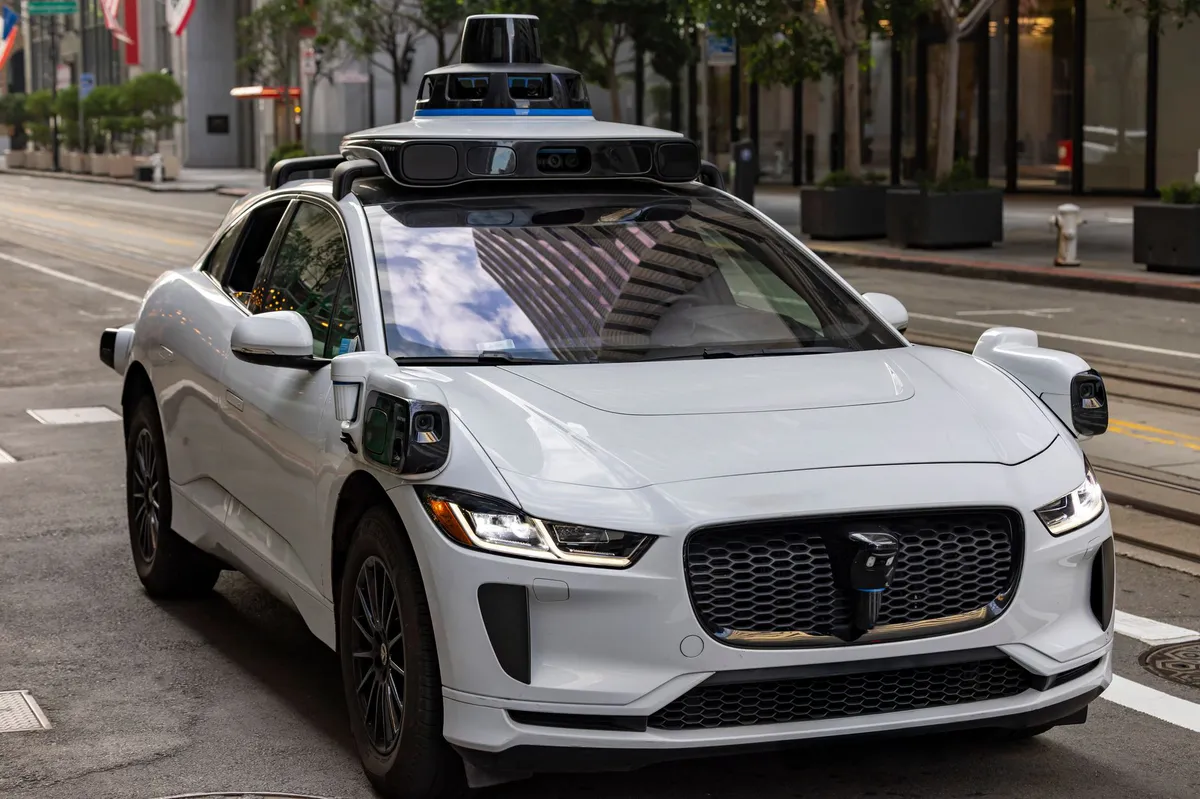
European regulators have historically adopted a more cautious stance on automated driving technologies compared to their U.S. counterparts. Unlike in the U.S., where companies can deploy driver assistance systems with minimal oversight, Europe requires comprehensive evaluations and approvals before such technologies can be rolled out. This regulatory landscape is crucial for ensuring that advancements in automotive technology do not compromise public safety.
Concerns from Member States
As Tesla seeks European Union approval for its FSD system, it faces scrutiny from various member states. For instance, France's transportation minister has voiced concerns about the system's current state, particularly regarding issues like speeding and the technology's ability to maintain driver engagement. Similarly, Finland's regulatory agency has noted that while the FSD system sometimes makes safer decisions than human drivers, it has raised concerns about its performance on challenging terrains and the potential risks of sudden driver intervention.
Inflated Safety Claims and Their Implications
A Reuters investigation has uncovered that Tesla's self-reported safety statistics regarding its FSD technology may be significantly exaggerated. The investigation revealed that the company had shared these inflated figures with multiple EU regulators, including the RDW, in an effort to bolster its case for approval. This raises critical questions about the integrity of the data being presented to regulators and the potential risks posed to consumers if these claims are unfounded.
Transparency in Testing
Despite asserting that it conducted extensive testing of the FSD system, the RDW has not disclosed how it measured performance or safety during its evaluations. This lack of specific data undermines confidence in the regulatory process and raises further questions about the adequacy of the testing protocols. While RDW has claimed that its assessment is independent of Tesla's statistics, the absence of detailed disclosure leaves consumers and stakeholders in the dark regarding the true safety of the technology.
The Future of Autonomous Driving in Europe
The approval process for Tesla's FSD system is ongoing, with expectations for a vote by EU member states potentially occurring in October. The outcome of this vote will be pivotal, not only for Tesla but also for the broader narrative surrounding autonomous driving in Europe. If approved, it could open the floodgates for other companies to pursue similar technologies, potentially transforming the automotive landscape across the continent.
Impacts on Consumer Trust
Consumer trust will play a crucial role in the adoption of autonomous technologies. If the public perceives that regulatory agencies are prioritizing corporate confidentiality over safety transparency, it could lead to skepticism about the efficacy of automated driving systems. This highlights the need for regulatory bodies to strike a balance between protecting trade secrets and ensuring that consumers are adequately informed about the technologies they are using.
Key Takeaways
- Secrecy and Safety: Tesla's push for confidentiality in safety evaluations raises concerns about public safety and transparency.
- Regulatory Scrutiny: European regulators are adopting a cautious approach, necessitating thorough evaluations before approving automated systems.
- Consumer Trust: The success of autonomous driving technologies hinges on maintaining consumer confidence through transparency.
- Inflated Claims: Investigations suggest Tesla's safety statistics may be misleading, complicating the regulatory landscape.
- Future Implications: The EU's decision on Tesla's FSD could set a precedent for the future of autonomous driving in Europe.
Frequently Asked Questions
What is Tesla's Full Self-Driving system?
Tesla's Full Self-Driving (FSD) system is an advanced driver-assistance technology designed to enable automated driving capabilities. While it requires human oversight, Tesla claims it can perform various driving tasks autonomously. However, the technology has faced significant scrutiny regarding its safety and effectiveness, particularly in light of recent investigations suggesting inflated safety statistics.
Why are regulators keeping safety data secret?
Regulators, particularly the RDW in the Netherlands, cite the protection of trade secrets as the primary reason for withholding safety data associated with Tesla's FSD system. However, this has raised concerns among safety experts and the public, who argue that transparency is essential for ensuring the safety of autonomous driving technologies.
How does this approval affect Tesla's market position in Europe?
The approval of Tesla's FSD system is critical for the company as it seeks to regain market share in Europe. With increasing competition from other electric vehicle manufacturers, particularly from China, a successful approval could bolster Tesla's sales and solidify its presence in the European market.
What are the implications for public safety?
The secrecy surrounding Tesla's FSD safety evaluations poses significant public safety implications. Without access to detailed safety data and testing results, consumers may not be fully informed about the risks associated with using the technology. This lack of transparency could undermine trust in both Tesla and the regulatory agencies responsible for ensuring public safety.
Comments
Navigating the Sale of Your Insurance Agency: Key Questions to Consider
Selling an insurance agency can be a complex decision. Here are crucial questions to ask before making the leap, ensuring you maintain authority and client relationships post-sale.
Related articles



Popular in Business Insurance
- Surging War-Risk Insurance Rates in the Strait of Hormuz: What It Means for Shipping
- Ross & Yerger Insurance Faces Class Action Over Data Breach Allegations
- Sompo Expands U.S. Workers' Compensation Portfolio with Service Insurance Acquisition
- Legal Battle Unfolds Over $1 Million Truck Crash Insurance Payout
- Howden Group's Ambitious Journey Toward IPO and Expansion