Navigating the Split in the US Insurance Market: A Deep Dive
As the US insurance market evolves, understanding the stark divide between property and casualty sectors is crucial for consumers and businesses alike. This article examines the implications of recent earnings trends and pricing dynamics in the insurance landscape.
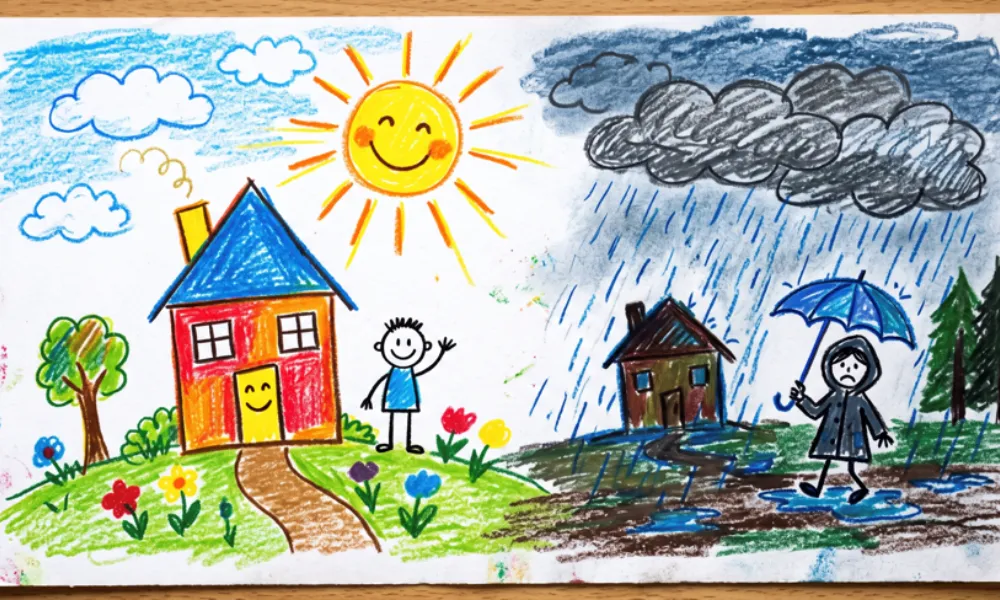
The US insurance industry has been experiencing a significant transformation, highlighted by the recent earnings reports of major carriers. While companies like Allstate, Liberty Mutual, Prudential, and MetLife have reported impressive profits for Q2 2026, a closer examination reveals a market divided. Property insurance pricing is rapidly declining, while casualty rates are on an upward trajectory, creating a rift that is reshaping how insurers manage their capital and pricing strategies.
This shift is critical not only for insurance companies but also for consumers and businesses that rely on these services. As property insurance premiums see their first decline in nearly nine years, the implications for risk management and financial stability are profound. Understanding these dynamics is essential for policyholders navigating this evolving landscape.
Understanding the Earnings Landscape
In Q2 2026, the earnings reports from prominent insurance carriers painted a picture of contrasting fortunes within the industry. Allstate reported a combined ratio of 86.6%, a notable improvement from the previous year, attributed to lower catastrophe losses and favorable reserve releases. Similarly, Liberty Mutual announced a net income of $2.6 billion for the quarter, with a year-to-date combined ratio of 87.3%. These numbers suggest that property insurers are benefitting from a particularly mild catastrophe season, with overall insured natural catastrophe losses estimated at around $36 billion—well below the historical averages.
However, the good news for property insurers does not extend to the casualty side. Travelers reported a combined ratio of 86.8% but highlighted that the casualty sector is still grappling with rising costs due to social inflation and nuclear verdicts. In fact, the total costs of nuclear verdicts reached a staggering $31.3 billion in 2024 alone, underscoring the financial pressure on casualty insurers.

The Pricing Divide: Property vs. Casualty
The most striking trend emerging from the latest reports is the divergent pricing paths for property and casualty insurance. Average commercial property premiums fell by 1.2% in Q1 2026, marking the end of a 33-quarter streak of increases. In contrast, commercial auto rates continue to rise at approximately 5.8% annually, a trend driven by the heavy financial burdens arising from large jury awards and claims costs.
Key Factors Driving Price Changes
- Property Pricing Decline: A mild catastrophe season and heightened competition among carriers with strong capital reserves have led to softer property pricing.
- Casualty Pricing Increase: Rising litigation costs and social inflation are pushing casualty rates higher, indicating a troubling trend for insurers.
- Impact of Tort Reform: Legislative changes in states like Florida have begun to positively affect property rates, reducing frivolous lawsuits and stabilizing premiums.
The recent tort reforms in Florida have provided a significant boost to property insurers, with companies like Heritage Insurance Holdings and American Coastal Insurance reporting improved earnings despite a softening market. The reforms have curtailed assignment-of-benefits litigation and eliminated one-way attorney fees, effectively reducing the frequency of costly lawsuits against insurers. A Perryman Group analysis noted that these reforms prevented average property premium increases of up to 14.5% and decreased frivolous lawsuits by 25% in the first half of 2025 compared to the previous year.

Social Inflation and Its Impact on Casualty Insurance
While property insurers are enjoying a reprieve, the casualty sector is facing mounting challenges. Social inflation—essentially the rising costs associated with claims driven by societal changes—continues to exert pressure on casualty rates. According to data from Swiss Re Institute, liability claim costs related to social inflation grew by approximately 7% in 2024, marking the fastest pace of increase in two decades.
Nuclear Verdicts: A Growing Concern
The rise in nuclear verdicts—jury awards exceeding $10 million—has become a critical concern for casualty insurers. With 135 cases recorded in 2024, the total value of these awards surged by 116%, further complicating the underwriting environment for casualty lines. Insurers are now faced with the challenge of balancing competitive pricing with the reality of escalating claims costs, which have led companies like Chubb to withdraw from certain large-account and specialty property business segments.

Strategic Responses and Future Outlook
In response to these evolving dynamics, insurance carriers are adjusting their strategies. With property premiums on the decline, insurers are focusing on maintaining profitability through careful underwriting and strategic capital deployment. Companies are prioritizing clean accounts and are increasingly selective about the risks they underwrite. For instance, Chubb's CEO stated that they opted out of 40% of large-account offers rather than accept unfavorable pricing.
As casualty lines continue to harden, insurers are refining their approaches to risk assessment. For brokers and agents, this necessitates a more nuanced approach to advising clients, with a keen focus on the specific liabilities associated with each line of coverage.
Key Takeaways
- The US insurance market is witnessing a clear divide, with property rates declining and casualty rates rising.
- Florida's tort reforms have positively impacted property insurance profitability, while social inflation continues to burden casualty lines.
- Insurers are adapting their underwriting strategies to respond to shifting market conditions, emphasizing clean accounts and selective risk acceptance.
- Policyholders should remain vigilant and informed about these trends to ensure they secure the best coverage and pricing.
Frequently Asked Questions
What is causing the decline in property insurance premiums?
The decline in property insurance premiums can be attributed to a combination of factors, including a mild catastrophe season that has resulted in fewer claims and increased competition among insurers with strong capital reserves. Additionally, legislative reforms aimed at reducing frivolous lawsuits, particularly in states like Florida, have contributed to stabilizing premiums and improving insurer profitability.
How does social inflation affect casualty insurance rates?
Social inflation affects casualty insurance rates by driving up the costs associated with claims. This phenomenon often results from jury awards that exceed historical norms, as well as societal changes that influence perceptions of liability. As social inflation continues to rise, insurers face increasing pressure to adjust their pricing strategies to remain financially viable while also protecting their bottom line.
What should policyholders do in light of these market changes?
Policyholders should stay informed about the trends affecting their insurance coverage and pricing. Engaging with their insurance agents or brokers to review current policies can help ensure they are adequately covered without overpaying. Additionally, understanding the implications of social inflation and property pricing trends can empower policyholders to make more informed decisions about their insurance needs.
Are there any signs that premium trends will change soon?
While property premiums have recently declined, and casualty rates continue to rise, predicting future trends is complex. Factors such as legislative changes, market competition, and overall economic conditions will play a significant role in shaping premium trajectories. Insurers and industry analysts will be closely monitoring these developments to gauge the potential for any shifts in pricing trends in the coming months.
Comments
Navigating the Sale of Your Insurance Agency: Key Questions to Consider
Selling an insurance agency can be a complex decision. Here are crucial questions to ask before making the leap, ensuring you maintain authority and client relationships post-sale.

Related articles







Popular in Business Insurance
- Surging War-Risk Insurance Rates in the Strait of Hormuz: What It Means for Shipping
- Ross & Yerger Insurance Faces Class Action Over Data Breach Allegations
- Sompo Expands U.S. Workers' Compensation Portfolio with Service Insurance Acquisition
- Legal Battle Unfolds Over $1 Million Truck Crash Insurance Payout
- Howden Group's Ambitious Journey Toward IPO and Expansion