Sun Life Reports 27% Surge in Group Insurance Sales Amid Industry Shifts
Sun Life Financial's second-quarter results reveal a remarkable 27% increase in group insurance sales, highlighting a surge in demand driven by brokers and evolving market dynamics. With underlying net income reaching CA$1.123 billion, the company is strategically positioned to capitalize on the hardening stop-loss market.
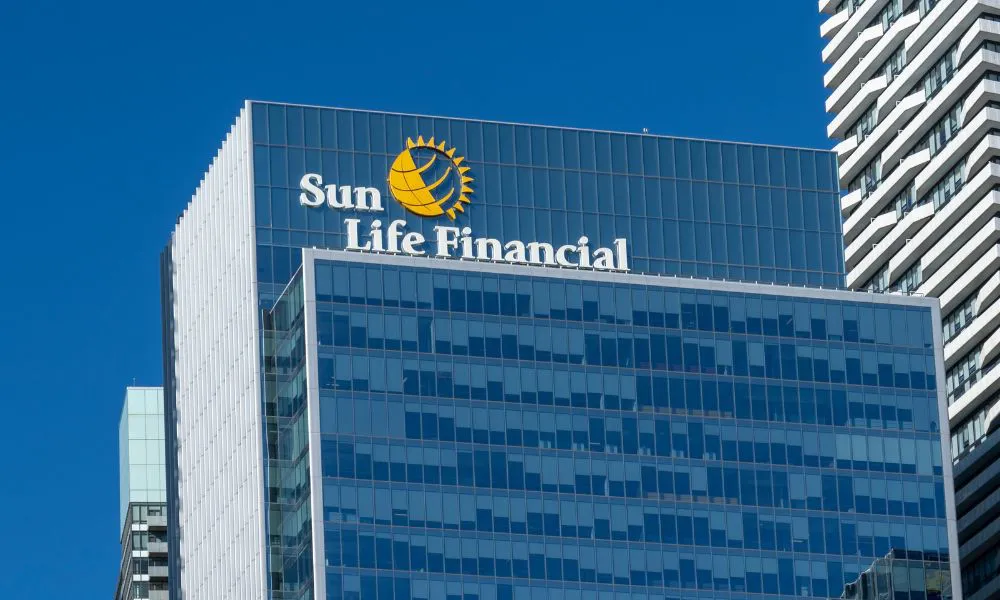
In a noteworthy display of financial resilience and market adaptability, Sun Life Financial Inc. has reported a striking 27% increase in group insurance sales for the second quarter of 2026, reaching CA$680 million. This growth comes amidst a broader trend of rising premiums in the stop-loss insurance market characterized by increased self-funding among employers. Such dynamics are reshaping the landscape of employee benefits and presenting both challenges and opportunities for brokers and insurers.
Sun Life's robust performance is underscored by its underlying net income, which climbed to CA$1.123 billion for the period ending June 30, a testament to the company's strategic focus on risk selection and pricing discipline. The impressive results have positioned Sun Life as a key player in a market that has seen significant shifts in demand and pricing, largely influenced by brokers seeking to optimize their offerings in response to evolving employer needs.
Analyzing the Surge: Factors Behind Sun Life's Growth
The 27% increase in group insurance sales can be attributed to multiple factors, each reflecting broader trends in the insurance industry. Notably, Sun Life's individual insurance sales also saw a commendable rise of 16%, reaching CA$1.002 billion. However, it was the U.S. market that truly shined with a staggering 43% increase in sales, amounting to US$324 million, primarily fueled by the growing demand for medical stop-loss insurance, which protects employers from high claims costs.
Market Dynamics and Broker Influence
As employers increasingly opt for self-funding their employee benefits, the demand for stop-loss insurance has risen sharply. This shift has led to a hardening market, with industry premiums escalating from CA$35.4 billion in annual premiums in 2025 to over CA$40 billion in 2026. According to data from BenefitSmith, this change has resulted in a higher risk pool, driving up rates for stop-loss coverage. The average medical stop-loss premium increase accelerated to 12.7% in 2026, up from 9.7% the previous year, illustrating the challenges and opportunities facing brokers and employers alike.
- Group Insurance Sales: CA$680 million, up 27% YoY
- Individual Insurance Sales: CA$1.002 billion, up 16% YoY
- U.S. Sales Growth: 43% increase to US$324 million
- Industry Premium Growth: From CA$35.4 billion to over CA$40 billion
- Average Medical Stop-Loss Premium Increase: 12.7%

The Role of Technology: Enhancing Broker Efficiency
In a move to streamline operations and improve broker efficiency, Sun Life has integrated with Centro, a digital platform specializing in ancillary benefits consulting. This integration introduces an API connection that automates the exchange of request-for-proposal (RFP) data, effectively replacing manual workflows that can slow down the quoting process.
Implications for Brokers
The Centro integration is particularly significant for brokers as it directly addresses the RFP and quoting process, enabling them to work faster and more accurately when quoting group business. In an environment where the average loss ratios for stop-loss insurance have climbed to 85%, well above the historical target of 75%, the ability to quickly compare carriers' rate increases against the sector average becomes crucial. The faster turnaround facilitated by this technology positions brokers to better serve their clients and navigate the complexities of the current insurance landscape.

Financial Performance: A Broader Perspective
Sun Life’s overall financial health has shown remarkable improvement, with reported net income reaching CA$1.008 billion, marking a 41% increase from CA$716 million in the previous year. This surge can be attributed to favorable conditions in public equity markets and the absence of a significant dental impairment charge that affected results in the prior year.
Return on Equity and Future Outlook
The company's underlying return on equity (ROE) also reflects this positive trend, rising to 19.1% from 17.6% in the second quarter of 2025. Sun Life's CEO, Kevin Strain, emphasized the strong momentum across health and individual protection businesses, suggesting that the company is well-positioned to capitalize on continuing market demand and shifting employer strategies in employee benefits.

Key Takeaways
- Sun Life's group insurance sales soared 27% in Q2 2026.
- The U.S. market experienced a 43% rise in sales, driven by medical stop-loss demand.
- Industry-wide losses have prompted premium increases, averaging 12.7% for stop-loss coverage.
- Technology integration with Centro is streamlining broker operations.
- Overall net income rose to CA$1.008 billion, reflecting a strong market performance.
Frequently Asked Questions
What is group insurance and why is it important for employers?
Group insurance is a type of insurance that provides coverage to a group of individuals, typically employees of a company. It is crucial for employers as it not only helps attract and retain talent but also offers financial protection against unexpected medical expenses. By pooling risks, group insurance can often provide lower rates compared to individual insurance policies, making it a cost-effective solution for employers.
How does stop-loss insurance work for self-funded employers?
Stop-loss insurance protects self-funded employers from high claims costs by setting a limit on the amount they will pay for employee healthcare claims. If an employee incurs expenses that exceed a specified threshold, the stop-loss insurer covers the excess costs. This mechanism allows employers to manage their risk while still offering comprehensive healthcare benefits to their employees.
What challenges are brokers currently facing in the insurance market?
Brokers are navigating a complex insurance landscape characterized by rising premiums, increased loss ratios, and stringent underwriting practices. With the average medical stop-loss premium increasing, brokers must be diligent in comparing rate increases across carriers to ensure they provide the best options for their clients. Additionally, the integration of technology into the quoting process presents both opportunities for efficiency and the need for brokers to adapt to new systems.
What can employers do to manage rising insurance costs?
Employers can manage rising insurance costs by exploring self-funding options and implementing stop-loss insurance to mitigate risk. Additionally, they should regularly review their insurance plans and work closely with brokers to find competitive rates and coverage options. Engaging in wellness programs and preventive care initiatives can also help reduce overall healthcare costs, benefiting both the employer and employees.
Comments
Navigating the Shift: AGI's Strategic Entry into Insurance Brokerage
American Growth Insurance's acquisition of Heller-Kowitz Insurance Advisors marks a pivotal moment in the evolving insurance brokerage landscape. As industry consolidation continues amidst a shrinking buyer pool, agency owners must navigate new challenges and opportunities.
Related articles




Popular in Business Insurance
- Surging War-Risk Insurance Rates in the Strait of Hormuz: What It Means for Shipping
- Ross & Yerger Insurance Faces Class Action Over Data Breach Allegations
- Sompo Expands U.S. Workers' Compensation Portfolio with Service Insurance Acquisition
- Legal Battle Unfolds Over $1 Million Truck Crash Insurance Payout
- Howden Group's Ambitious Journey Toward IPO and Expansion