AXA XL Acquires S-RM: A Strategic Move in Cyber Insurance Landscape
AXA XL's acquisition of S-RM raises important questions about the future of cyber incident response panels and the implications for policyholders and brokers alike.
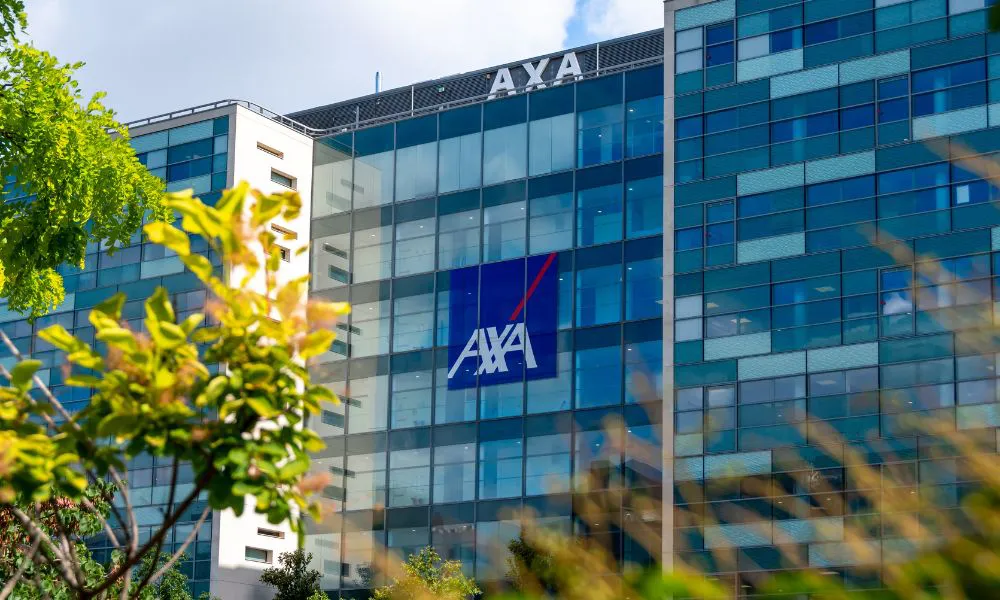
The recent announcement from AXA XL regarding its acquisition of S-RM, a corporate intelligence and cybersecurity consultancy, marks a significant shift in the cyber insurance landscape. For over 15 years, AXA XL and S-RM have collaborated, first as client and vendor and later as investor and investee. Now, with AXA XL acquiring the remaining shares of S-RM, the implications for the insurance industry, brokers, and policyholders are profound. This move not only raises questions about the operational dynamics of incident response panels but also signals a broader trend of consolidation within the cyber insurance sector.
As cyber threats continue to evolve, the stakes for both insurers and policyholders have never been higher. In 2025, the average cost of a data breach in the U.S. reached an alarming $10.22 million, a figure that underscores the urgency for more robust incident response capabilities. AXA XL’s acquisition of S-RM aims to address these escalating risks by enhancing its risk advisory services, enabling clients to better anticipate and mitigate potential cyber threats.
The Role of Cyber Incident Response Panels
Cyber incident response panels are critical components in the insurance ecosystem, designed to ensure that policyholders receive consistent, vetted responses to cyber incidents regardless of their insurer. Traditionally, these panels include a variety of vendors, allowing brokers to recommend the best response teams based on their expertise and the specific needs of their clients.
How Panels Operate
These panels function on the principle of neutrality, where the same vendors are available to multiple insurers. For example, Palo Alto Networks’ Unit 42 operates as a preferred provider on over 70 insurance panels, providing a seamless response mechanism for various insurance carriers. However, with AXA XL now fully integrating S-RM into its operations, it raises critical questions about the future of S-RM’s role across different carriers and whether it can maintain its impartial status as a vendor.

Implications of AXA XL's Acquisition
AXA XL’s acquisition of S-RM positions the firm to deliver enhanced services under its newly established Risk Advisory unit. This strategic move is part of a broader trend in the insurance industry to go beyond traditional coverage, aiming to provide clients with comprehensive insights and proactive measures against potential risks.
Benefits for Clients
- Expanded Capabilities: S-RM’s expertise in cyber risk assessment, incident response, and geopolitical intelligence will bolster AXA XL’s advisory services.
- Proactive Risk Management: The integration will enable AXA XL to offer clients preventive measures, aligning with findings from AXA’s 2025 Future Risks Report, which indicated that 86% of experts believe many risks can be mitigated through preventive actions.
- Data-Driven Insights: Clients will benefit from enhanced access to data analytics and technology, facilitating better decision-making in risk management.
Scott Gunter, CEO of AXA XL, stated that this acquisition represents a crucial step in enhancing their Risk Advisory capabilities. By integrating S-RM’s services, AXA XL aims to provide clients with tools and insights that help them build resilience in the face of escalating cyber threats.

A Look at Market Trends
The acquisition of S-RM occurs against a backdrop of increasing consolidation in the cyber insurance market. Notably, Zurich Insurance Group's recent acquisition of cyber specialist Beazley for £8.1 billion ($11 billion) reflects a significant shift towards integrating specialized capabilities within insurance firms. Analysts have described such mergers as potentially transformative, possibly triggering a wave of similar transactions as companies seek to bolster their offerings in an increasingly competitive landscape.
Understanding Cyber Risk Trends
The dynamics of cyber insurance are also changing as the nature of cyber incidents evolves. A joint report published by AXA XL and Thales highlighted that cyber incidents are becoming more systemic, with disruptions cascading across interconnected systems and supply chains. This shift emphasizes the necessity for insurers to not only provide coverage but also to offer expert guidance and preventive solutions to mitigate risks before they manifest.

What This Means for Brokers and Policyholders
For brokers, the integration of S-RM into AXA XL’s offerings necessitates careful consideration when recommending incident response services to clients. The potential shift in S-RM’s role—from a neutral vendor serving multiple insurers to a company wholly owned by AXA XL—could influence how other carriers perceive and utilize S-RM in their programs. Brokers may find themselves needing to reassess the landscape of available vendors to ensure their clients receive the most effective and impartial support.
Key Considerations
As the transaction is still subject to regulatory approvals and expected to close by the end of September 2026, brokers should monitor developments closely. Understanding the implications of this acquisition will be essential for advising clients on their insurance options and ensuring they have access to the best incident response resources available.
Key Takeaways
- AXA XL's acquisition of S-RM enhances its Risk Advisory capabilities, focusing on proactive risk management.
- The integration raises questions about S-RM's neutrality in the cyber incident response market.
- The cyber insurance market is experiencing significant consolidation, with implications for brokers and policyholders.
- Clients will benefit from improved data analytics and preventive measures as part of AXA XL’s service offerings.
Frequently Asked Questions
What is the significance of AXA XL acquiring S-RM?
The acquisition signifies AXA XL's commitment to enhancing its risk advisory capabilities, particularly in the cyber insurance domain. By bringing S-RM, a well-established cybersecurity consultancy, under its umbrella, AXA XL aims to provide clients with a more integrated approach to managing cyber risks, focusing on prevention and proactive measures.
How will this affect policyholders using S-RM's services?
While the acquisition may enhance the services offered to policyholders, it raises concerns about S-RM's role as a neutral vendor. Policyholders should stay informed about any changes in S-RM’s operations and how that may affect their access to incident response services from other carriers.
What trends are shaping the cyber insurance market currently?
The cyber insurance market is seeing a wave of consolidation as firms seek to integrate specialized capabilities. Rising costs of data breaches, changing threat landscapes, and a focus on providing not just coverage but also risk management services are shaping how insurers approach cyber insurance offerings.
What should brokers consider regarding this acquisition?
Brokers need to closely monitor the developments surrounding AXA XL’s acquisition of S-RM. They should evaluate how this change may influence their recommendations for incident response services and ensure that their clients continue to receive the best possible support in managing cyber risks.
Comments
Navigating the Shift: AGI's Strategic Entry into Insurance Brokerage
American Growth Insurance's acquisition of Heller-Kowitz Insurance Advisors marks a pivotal moment in the evolving insurance brokerage landscape. As industry consolidation continues amidst a shrinking buyer pool, agency owners must navigate new challenges and opportunities.
Related articles




Popular in Business Insurance
- Surging War-Risk Insurance Rates in the Strait of Hormuz: What It Means for Shipping
- Ross & Yerger Insurance Faces Class Action Over Data Breach Allegations
- Sompo Expands U.S. Workers' Compensation Portfolio with Service Insurance Acquisition
- Legal Battle Unfolds Over $1 Million Truck Crash Insurance Payout
- Howden Group's Ambitious Journey Toward IPO and Expansion