Labor Shortage Strains Growth of US Data Center Construction
The ongoing labor shortage is hindering the growth of data center construction in the U.S., as companies struggle to find skilled workers while facing increasing demand. This article explores the causes, implications, and potential solutions for the industry.
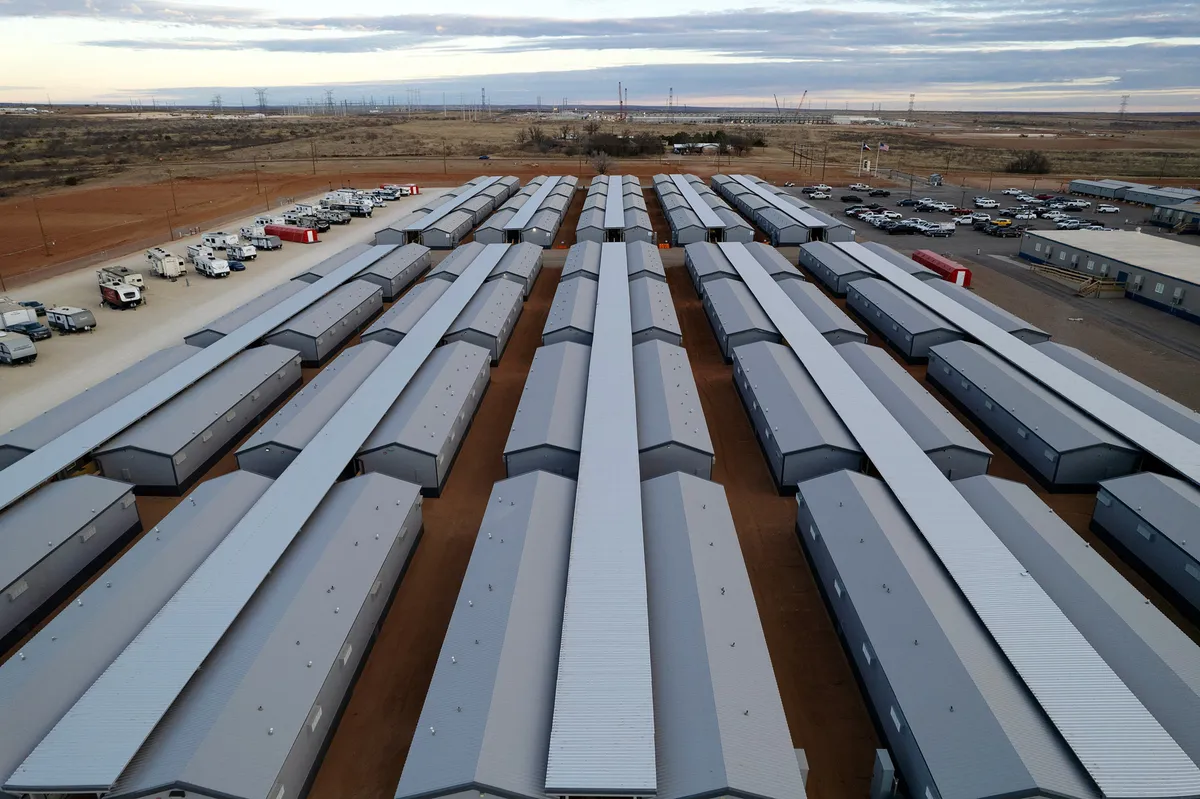
The United States is currently experiencing a significant labor shortage that is impacting various sectors, but few are feeling the strain as acutely as the data center construction industry. With record order books and a rapidly growing demand for data storage and processing capabilities, the inability to source skilled labor has become a critical bottleneck for companies tasked with building these essential facilities. The implications are profound, not only for the companies involved but also for the broader economy, as data centers are increasingly central to digital infrastructure.
As demand for data centers continues to surge, driven by the proliferation of cloud computing and increased data consumption, the construction labor market is struggling to keep pace. Industry executives are confronted with difficult choices: turn away lucrative projects or engage in resource-intensive efforts to attract and retain skilled workers. This article delves into the factors contributing to the labor crunch, the strategies companies are employing to navigate the challenges, and the potential outcomes for the industry and its stakeholders.
Understanding the Labor Shortage in Data Center Construction
The construction sector as a whole has long faced a labor shortage, but the data center segment is feeling the pinch more than most. A combination of factors is exacerbating this crisis:
- Aging Workforce: A significant portion of skilled workers in the construction trades is nearing retirement, and there are not enough younger workers entering the field to replace them.
- Limited Training Programs: There is a shortage of apprenticeship opportunities and community college programs that can prepare new workers for the trades. This gap in training has made it difficult to cultivate a new generation of skilled labor.
- Increased Demand: The demand for data centers has skyrocketed, driven by the increasing reliance on digital technologies, which has further strained the already limited labor pool.
- Immigration Policies: Stricter immigration enforcement has reduced the number of foreign-born workers in the trades, who historically have made up a significant portion of the labor force.

Impact on Company Operations and Growth
As major companies like Comfort Systems, Emcor, and Sterling Infrastructure grapple with these labor shortages, their revenue growth projections are being impacted. Analysts are indicating that while demand remains strong, the inability to find skilled workers is curtailing potential expansion. For instance, Comfort Systems' Chief Financial Officer William George noted during a recent earnings call that there is “plenty more work we could take if we could possibly do it.”
This sentiment is echoed across the industry, where companies are becoming increasingly selective about the projects they undertake. With a backlog of projects that has surged sixfold since 2016, firms are prioritizing high-margin work that they can execute effectively rather than spreading themselves too thin with additional jobs that might compromise quality.
Wage Growth and Recruitment Strategies
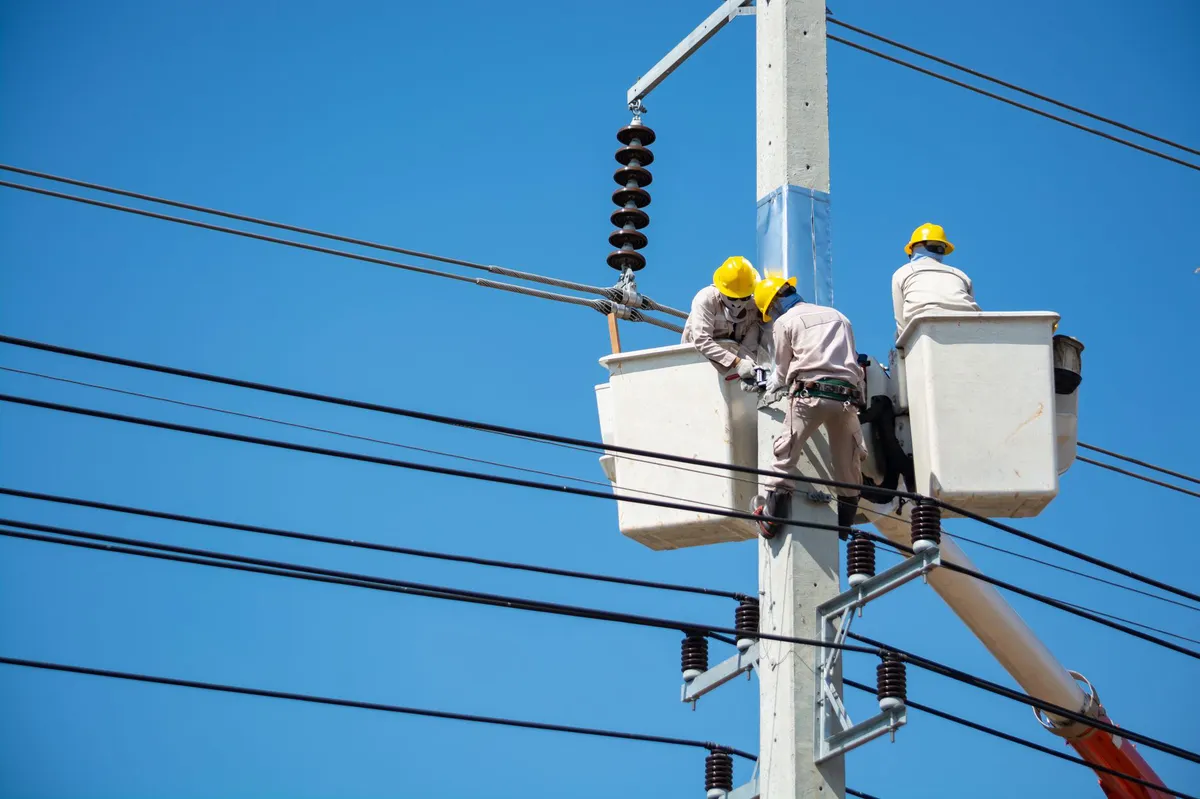
In response to the labor crunch, companies are raising wages to attract talent. For example, while overall U.S. wages increased by 2.4% from May 2025 to 2026, wages in the construction sector saw a rise of 3.4%. Electricians, who play a crucial role in data center construction, have experienced even higher wage growth, with commercial electricians seeing increases of nearly 10% year over year.
To combat the shortage, companies are not only increasing wages but also exploring innovative recruitment strategies. These include:
- Engaging staffing firms to help fill vacancies.
- Leveraging social media and outreach programs to attract younger workers.
- Establishing partnerships with high schools and trade schools to promote careers in construction.
The Competitive Landscape: Large vs. Small Contractors
The labor shortage has also shifted the competitive dynamics within the construction industry. Larger contractors have resources to implement comprehensive training programs and safety measures, allowing them to attract and retain skilled workers better than smaller firms. For instance, Joseph Cutillo, CEO of Sterling Infrastructure, mentioned that larger contractors are “stealing” crews from smaller shops, indicating a trend where the competition for talent is intensifying.
As larger firms cater to steady project pipelines and invest in in-house training, smaller contractors may struggle to keep pace. This could lead to further consolidation in the industry, as smaller players may be forced to merge or close entirely if they cannot secure enough labor to remain competitive.
Looking Ahead: Potential Solutions and Adaptations
While the current labor situation poses significant challenges, there are potential solutions that could alleviate some of the strain. The construction industry needs to:
- Invest in educational programs that promote the trades as viable career options, particularly among young people.
- Enhance apprenticeship and training initiatives to prepare a new generation of workers.
- Advocate for more favorable immigration policies to allow skilled foreign workers to contribute to the workforce.
Additionally, companies can explore technological innovations that automate certain tasks, potentially reducing the dependency on human labor. The adoption of prefabrication techniques, where components are built offsite and then assembled on-site, is one such approach that could help mitigate labor shortages.
Key Takeaways
- The U.S. data center construction industry is facing a significant labor shortage that is constraining growth.
- Wage increases and innovative recruitment strategies are being implemented to attract skilled workers.
- Large contractors are gaining an advantage over smaller firms in securing labor and projects.
- Investment in training and education programs is crucial for cultivating the next generation of tradespeople.
Frequently Asked Questions
What is causing the labor shortage in data center construction?
The labor shortage in data center construction is primarily caused by an aging workforce, a lack of young people entering the trades, insufficient training programs, and tighter immigration policies. These factors combined have resulted in a significant gap between the demand for skilled labor and the available workforce.
How are companies responding to the labor crunch?
In response to the labor crunch, companies are raising wages, implementing innovative recruitment strategies, and becoming more selective about the projects they undertake. Many firms are also exploring partnerships with educational institutions to encourage more young people to consider careers in the trades.
What impact does the labor shortage have on project timelines?
The labor shortage is resulting in delays and longer project timelines, as companies struggle to staff projects adequately. This may lead to increased costs and could ultimately affect the ability of companies to fulfill contracts on time, impacting their reputation and future business opportunities.
Are there long-term solutions to the labor shortage issue?
Long-term solutions to the labor shortage in the data center construction industry may include increased investment in training and apprenticeship programs, advocacy for favorable immigration policies, and the adoption of technology to automate certain tasks. Encouraging young people to enter the trades and promoting the value of construction careers will also be crucial.
Comments
Trump Administration Targets 702 Regulatory Cuts: What It Means
The Trump administration is intensifying its efforts to cut federal regulations, proposing a historic plan to eliminate 702 rules. This article explores the implications for various sectors and the economy.

Related articles







Popular in Business Insurance
- Surging War-Risk Insurance Rates in the Strait of Hormuz: What It Means for Shipping
- Ross & Yerger Insurance Faces Class Action Over Data Breach Allegations
- Sompo Expands U.S. Workers' Compensation Portfolio with Service Insurance Acquisition
- Legal Battle Unfolds Over $1 Million Truck Crash Insurance Payout
- Howden Group's Ambitious Journey Toward IPO and Expansion