The Perils of the Shadow Fleet: A Tanker Crisis Unfolds Off Oman
A stranded tanker off Oman is leaking oil with no insurer willing to cover the cleanup costs. This incident highlights the vulnerabilities within the maritime insurance market, particularly concerning vessels linked to Russia's shadow fleet.
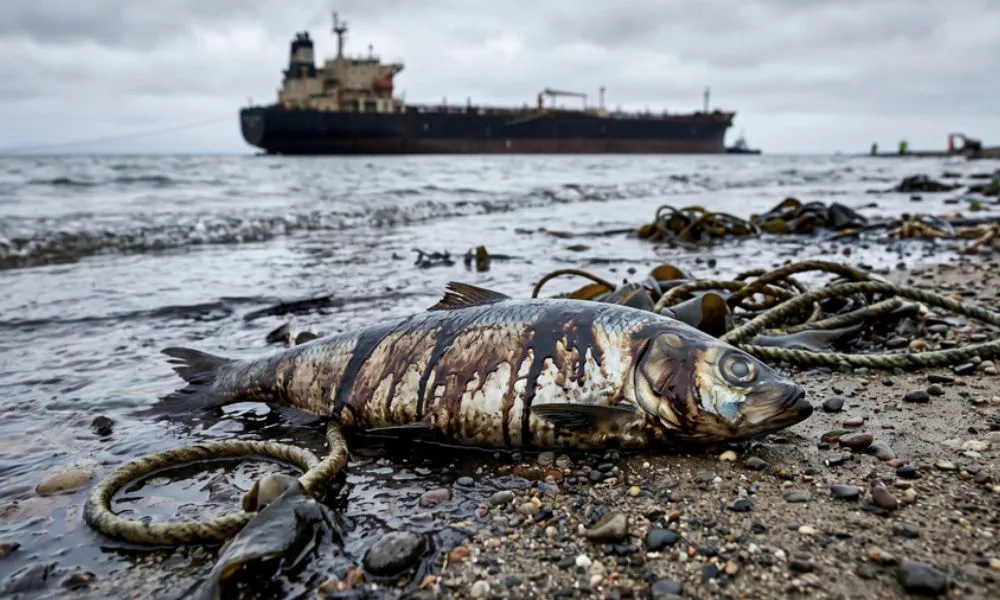
In an alarming environmental crisis, a Suezmax tanker known as the Caroline Bezengi has been stranded off the coast of Oman for over two months, leaking nearly a million barrels of Russian crude oil into a protected marine reserve. As the slick expands to an area larger than Malta, the situation raises urgent questions about accountability in the maritime industry. Despite the potential for ecological devastation, no insurer has stepped forward to facilitate cleanup efforts, leaving Omani authorities to grapple with the fallout largely on their own.
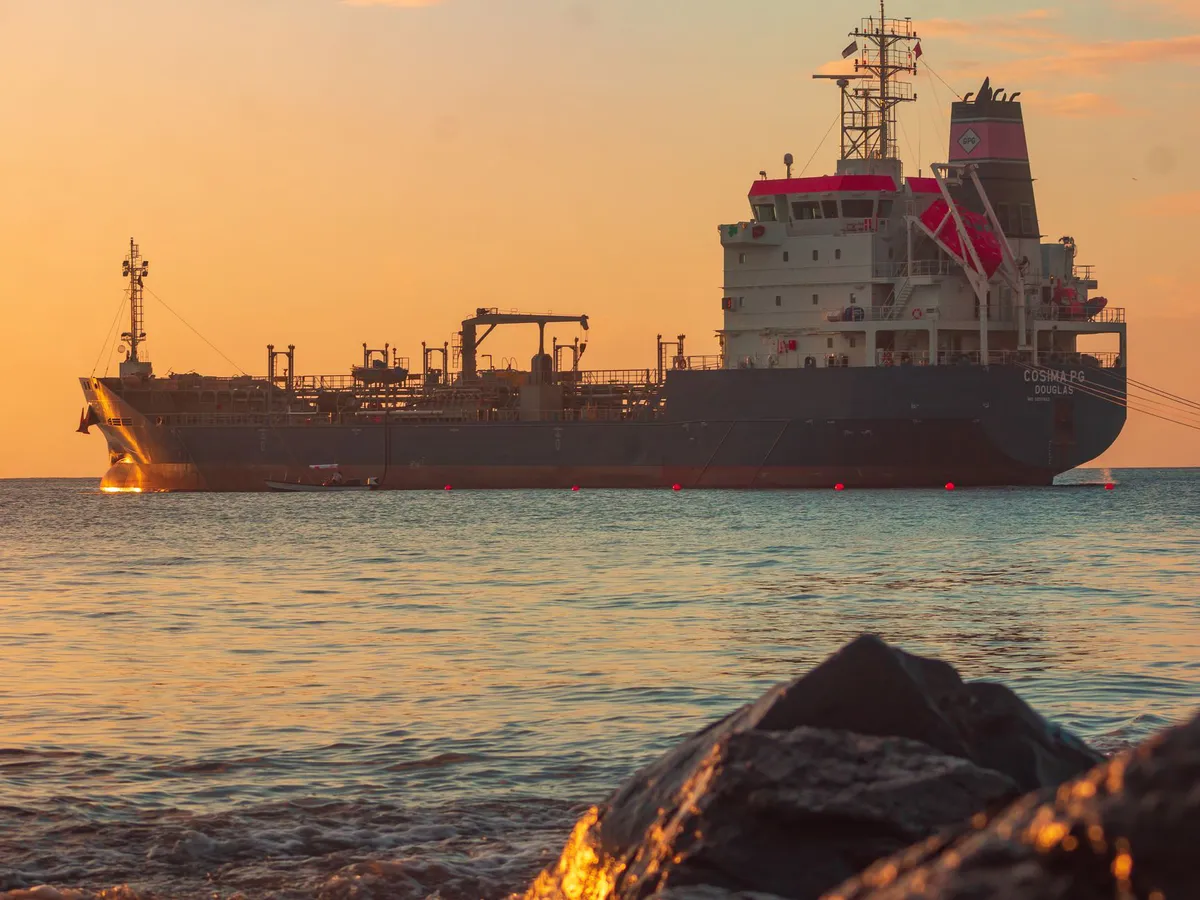
The Caroline Bezengi, a 274-meter vessel built in 2001, is emblematic of a troubling trend within the global shipping industry: the emergence of a "shadow fleet" that transports sanctioned crude oil while obscuring ownership and financial backing. This incident highlights the vulnerabilities of the maritime insurance market, particularly in the context of rising geopolitical tensions and regulatory scrutiny.
The Incident: A Timeline of Neglect
The Caroline Bezengi's troubles began on June 8 when the crew reported a suspected explosion while navigating near Yemen. Following this distress call, the vessel ran aground off Oman's Dhofar coast, but the registered owner, Rentoor Shipmanagement, a China-based firm, has not responded to Omani directives for removal. The situation has been aggravated by the vessel’s complex ownership structure, which has rendered it difficult to pinpoint responsibility.
Maritime analysts have noted that vessels like the Caroline Bezengi often operate without adequate insurance. This is especially true for tankers linked to Russia, which have increasingly become persona non grata in the international insurance market since the onset of sanctions following Russia’s invasion of Ukraine. Western Protection & Indemnity (P&I) clubs, which typically cover pollution cleanup, have begun to withdraw from insuring vessels tied to the Russian oil trade. This leaves many vessels without an effective safety net when incidents occur.
The Shadow Fleet: A Growing Concern
The term "shadow fleet" refers to a collection of vessels that engage in oil trade while obscuring their ownership and operational details. Analysts estimate that this fleet has expanded significantly since 2022, with some estimates suggesting that it now comprises as much as 17% of the global oil tanker fleet, while others argue it could be as high as 20%. These vessels typically avoid traditional insurance pathways, relying instead on domestic Russian insurers and opaque shell companies that may lack the financial capacity to cover significant claims.
The Caroline Bezengi is part of this troubling trend. The vessel was flying the Cameroon flag, but after its grounding, the Cameroonian registry delisted it along with 38 other vessels. With its current status as a sanctioned ship, no reputable insurance provider is willing to cover its cleanup costs, leaving Omani authorities to foot the bill.
The Environmental Impact: A Crisis in the Making
According to various environmental organizations, the spill's extent has fluctuated widely, with estimates ranging from 390 to 800 square kilometers. Such a vast slick poses a serious threat to local wildlife, including endangered humpback whales and various seabird species. The implications for the local fishing and tourism industries could also be catastrophic.
In the absence of a solvent insurer, Oman's Environment Authority has initiated some response efforts, including aerial dispersant operations and the deployment of booms to contain the oil. However, these measures come at a significant cost and may not be sufficient to mitigate the long-term environmental damage. Experts warn that oil spills can have lingering effects, similar to the infamous Exxon Valdez incident, where oil residues remained detectable in marine ecosystems for decades.
The Regulatory and Financial Landscape
The maritime insurance market has undergone significant changes in the past few years, particularly in light of rising geopolitical tensions. As more vessels fall under sanction regimes, insurers are increasingly cautious about the risks associated with insuring such ships. The International Group of P&I Clubs, which typically provides coverage for a significant portion of the world’s ocean-going tonnage, has been forced to reevaluate its exposure to Russian-linked vessels.
Key issues are emerging within the industry, particularly regarding how insurers are screening vessels before providing coverage. Questions are being raised about the legitimacy of the documentation provided by these vessels, including whether claimed P&I cover aligns with the International Group’s member list. As the Caroline Bezengi incident illustrates, a ship may appear to have coverage on paper while lacking the financial backing to pay for major claims.
Implications for the Future of Maritime Insurance
The situation off Oman serves as a cautionary tale for the maritime insurance industry. As the shadow fleet continues to grow, insurers must confront the reality that a significant portion of the shipping market is operating outside traditional insurance frameworks. This could lead to increased financial burdens on coastal states and a potential crisis in environmental management.
Insurance professionals are now grappling with critical questions: How will the industry respond to the challenges posed by vessels lacking adequate coverage? Will there be greater regulatory oversight to ensure that all vessels operating in international waters have the necessary insurance? The Caroline Bezengi incident may prompt a reevaluation of how the maritime industry approaches risk management, especially regarding vessels linked to sanctioned activities.
Key Takeaways
- The Caroline Bezengi is leaking oil off Oman, with no insurer willing to fund cleanup efforts.
- This incident underscores the vulnerabilities of the shadow fleet and its impact on maritime insurance.
- The environmental consequences could be severe, affecting local wildlife and economies.
- The maritime insurance market is facing a crisis as more vessels evade traditional coverage.
- Future regulatory changes may be needed to address risks associated with uninsurable vessels.
Frequently Asked Questions
What is the shadow fleet?
The shadow fleet refers to a group of vessels that operate in the oil trade while obscuring their ownership and operational details, often to evade sanctions. This fleet has grown significantly since the 2022 invasion of Ukraine, with estimates suggesting it could comprise as much as 20% of the global oil tanker fleet. These vessels frequently lack adequate insurance coverage, which poses risks both to the environment and to coastal nations.
Why is no insurer stepping up to cover the Caroline Bezengi?
The Caroline Bezengi is a sanctioned vessel tied to Russian oil exports, making it ineligible for coverage from most reputable insurers. As Western P&I clubs have withdrawn from insuring Russian-linked vessels, many of these ships operate without adequate financial backing. Consequently, when incidents occur, the financial burden often falls on the coastal state, as is the case with Oman.
What are the environmental risks associated with the oil spill?
The oil spill from the Caroline Bezengi poses significant risks to marine life, including endangered species and local fishing industries. The slick has the potential to affect habitats and ecosystems for decades, similar to historical spills like the Exxon Valdez incident. The long-term impacts on local economies, particularly tourism and fisheries, can also be substantial, as contamination may deter visitors and harm livelihoods.
What changes might be needed in maritime insurance regulation?
Given the growing prevalence of uninsurable vessels in the shadow fleet, there may be a need for greater regulatory oversight in the maritime insurance market. This could involve stricter requirements for vessels operating in international waters to demonstrate adequate insurance coverage. The Caroline Bezengi incident highlights the urgent need for the industry to confront these challenges to mitigate future environmental and financial risks.
Comments
How AI is Revolutionizing the Insurance Industry: Insights from the SITE Conference
The introduction of artificial intelligence (AI) in insurance is reshaping roles and processes, emphasizing the need for upskilling professionals. The SITE Conference aims to address these changes through targeted training and education.

Related articles





Popular in Business Insurance
- Surging War-Risk Insurance Rates in the Strait of Hormuz: What It Means for Shipping
- Ross & Yerger Insurance Faces Class Action Over Data Breach Allegations
- Sompo Expands U.S. Workers' Compensation Portfolio with Service Insurance Acquisition
- Legal Battle Unfolds Over $1 Million Truck Crash Insurance Payout
- Howden Group's Ambitious Journey Toward IPO and Expansion