Delta Investigates Unauthorized Wi-Fi Incident After Cybersecurity Conference
Delta Air Lines is probing an unauthorized Wi-Fi network incident on a flight from Las Vegas to Atlanta. The airline assures that no systems were compromised amid heightened cybersecurity concerns following a major hacking conference.
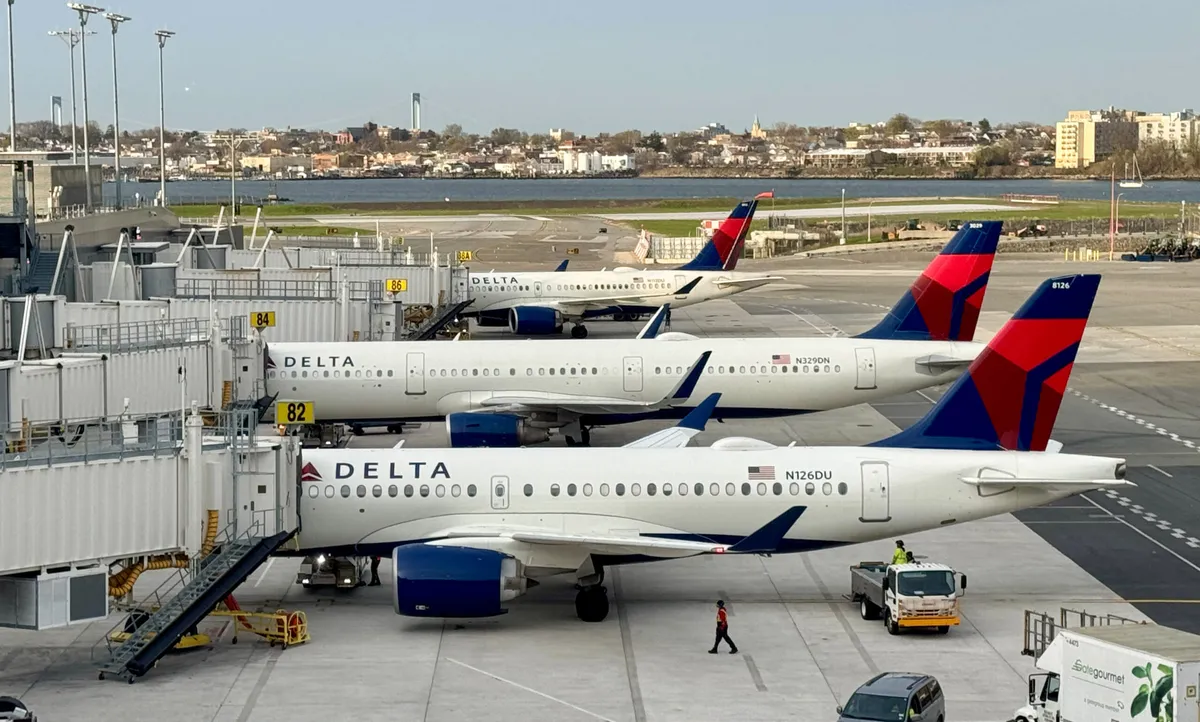
In a world where air travel is increasingly intertwined with technology, the recent incident involving Delta Air Lines raises significant concerns about cybersecurity in aviation. Following a flight from Las Vegas to Atlanta, where an unauthorized Wi-Fi network was detected, Delta is now working alongside federal law enforcement and aviation regulators to investigate the situation. This event comes just after the DEFCON conference, one of the largest hacking and security gatherings globally, held in Las Vegas. The proximity of these events intensifies scrutiny and raises questions about the safety and security of in-flight communications.
On Monday, Delta Flight 591 experienced a brief disruption when flight crew members found an unauthorized Wi-Fi network active on the Boeing 757. According to Delta spokesperson Morgan Durrant, the network was deactivated within 30 minutes, and the airline confirmed that there was “no hack of any Delta system.” It’s a relief for passengers and airline personnel alike, but the incident underscores the vulnerabilities that come with modern in-flight technology.
Understanding the Incident
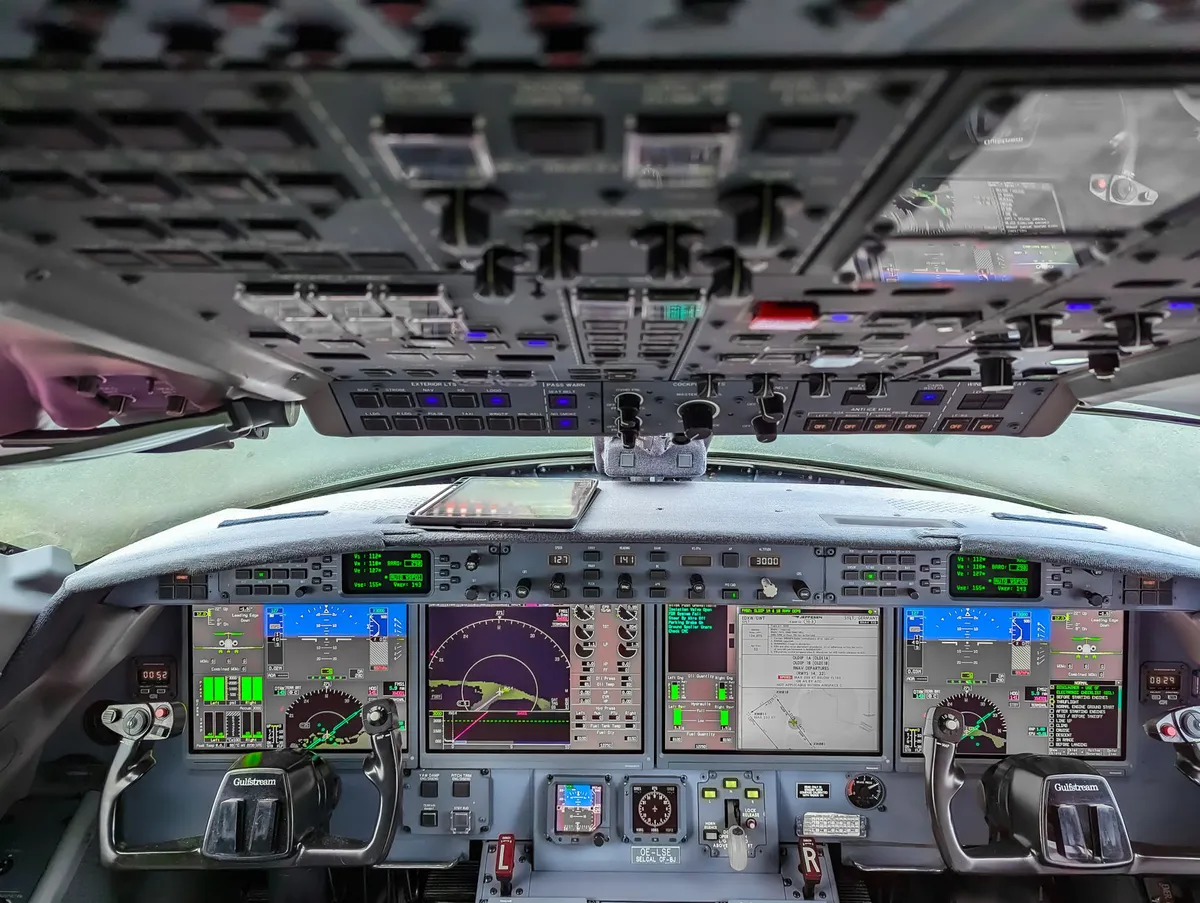
The unauthorized Wi-Fi network was activated shortly after takeoff from Las Vegas, a city recently bustling with cybersecurity professionals attending DEFCON. Although no emergency was declared by air traffic control and the safety of the flight was never in question, the situation has attracted the attention of the Federal Bureau of Investigation (FBI). They are currently monitoring reports related to this incident.
What Happened on the Flight?
While the details remain limited, the activation of an unauthorized network raises several concerns. Passengers aboard Delta Flight 591 were informed of the situation, and the crew took immediate action to deactivate the Wi-Fi, reflecting a proactive approach to potential cybersecurity threats. The FBI’s involvement indicates the seriousness of the matter, particularly in light of national security implications in aviation.

The Larger Context of Cybersecurity in Aviation
Cybersecurity in the aviation industry has become a pressing issue, especially as airlines employ increasingly sophisticated technologies to enhance passenger experience and operational efficiency. A breach could lead not only to data theft but also to potentially disastrous consequences for flight safety.
Current Trends in Aviation Cybersecurity
- Increased Cyber Threats: With the rise of digital technologies, airlines are more susceptible to cyberattacks. Over the past few years, numerous incidents have highlighted vulnerabilities, prompting regulatory bodies to enforce stricter cybersecurity protocols.
- Regulatory Response: The Federal Aviation Administration (FAA) and other regulatory agencies are actively working to develop guidelines that require airlines to strengthen their cybersecurity defenses.
- Employee Training: As threats evolve, airlines are investing in training programs for their employees to recognize and respond to potential cyber incidents.
- Collaboration with Tech Firms: Airlines are partnering with technology companies to implement cutting-edge cybersecurity measures, ensuring that both operational and passenger data remain secure.
Passenger Safety and Data Security
For passengers, the implications of this incident extend beyond immediate safety concerns. With the increasing prevalence of in-flight Wi-Fi, personal devices are often connected to shared networks, raising questions about data security and privacy. While Delta has reassured that no systems were compromised, it is crucial for travelers to be vigilant about their digital safety.
Best Practices for Travelers
To safeguard personal information while traveling, passengers should consider adopting the following best practices:
- Use a VPN: A Virtual Private Network encrypts data, providing an extra layer of security when connecting to unfamiliar networks.
- Avoid Sensitive Transactions: Refrain from accessing banking information or conducting sensitive transactions over public Wi-Fi.
- Turn Off Wi-Fi When Not in Use: Disable Wi-Fi on devices when not needed to reduce exposure to unauthorized networks.
- Stay Informed: Keep up with airline communications regarding cybersecurity incidents and follow their guidance.
Looking Ahead: Implications for the Industry
The unauthorized Wi-Fi incident on Delta Flight 591 serves as a wake-up call for the aviation industry. As air travel becomes increasingly digital, airlines must prioritize cybersecurity to protect both their operations and their passengers. The collaboration between Delta and federal authorities underscores the seriousness of the investigation and the need for robust cybersecurity measures.
Industry Adaptation
As the aviation sector adapts to the realities of digital threats, several key areas will require focus:
- Investment in Technology: Airlines may need to invest heavily in cybersecurity infrastructure, including advanced threat detection systems.
- Regulatory Compliance: Adhering to evolving regulations will be critical in maintaining operational integrity and customer trust.
- Public Awareness: Educating passengers about cybersecurity risks and safe practices is essential to fostering a culture of awareness in air travel.
Key Takeaways
- Delta Air Lines is investigating an unauthorized Wi-Fi network incident that occurred on a flight from Las Vegas.
- The FBI is involved, indicating the seriousness of the cybersecurity threat.
- The aviation industry must prioritize cybersecurity to protect passenger safety and data security.
- Travelers should adopt best practices to safeguard their personal information while using in-flight Wi-Fi.
Frequently Asked Questions
What should passengers do if they suspect unauthorized Wi-Fi on a flight?
If passengers suspect unauthorized Wi-Fi, they should immediately inform the flight crew. The crew is trained to handle such situations and can take the necessary steps to secure the aircraft's communication systems. It’s essential to remain calm and follow instructions from the crew to ensure safety.
How can passengers protect their data while using in-flight Wi-Fi?
Passengers can protect their data by using a Virtual Private Network (VPN) to encrypt their internet connection, avoiding sensitive transactions, and turning off Wi-Fi when not in use. These measures can significantly reduce the risk of data breaches or unauthorized access to personal information.
What are airlines doing to enhance cybersecurity?
Airlines are investing in advanced technologies, conducting employee training on cybersecurity awareness, and collaborating with tech firms to enhance their security measures. Regulatory bodies are also pushing for stricter compliance guidelines to ensure airlines are adequately prepared to handle cyber threats.
What are the potential consequences of a cybersecurity breach in aviation?
A cybersecurity breach in aviation can lead to data theft, operational disruptions, and even threats to passenger safety. The ramifications could include financial losses for the airline, loss of customer trust, and regulatory penalties. Ensuring robust cybersecurity protocols is crucial to preventing such incidents.
Comments
How AI is Revolutionizing the Insurance Industry: Insights from the SITE Conference
The introduction of artificial intelligence (AI) in insurance is reshaping roles and processes, emphasizing the need for upskilling professionals. The SITE Conference aims to address these changes through targeted training and education.

Related articles







Popular in Business Insurance
- Surging War-Risk Insurance Rates in the Strait of Hormuz: What It Means for Shipping
- Ross & Yerger Insurance Faces Class Action Over Data Breach Allegations
- Sompo Expands U.S. Workers' Compensation Portfolio with Service Insurance Acquisition
- Legal Battle Unfolds Over $1 Million Truck Crash Insurance Payout
- Howden Group's Ambitious Journey Toward IPO and Expansion