Insurers Clash Over Hi-Rail Truck Crash Coverage in Alabama
A collision involving a hi-rail truck has led to a legal battle between Indian Harbor Insurance and State Farm over liability coverage. The ongoing lawsuit highlights the complexities of insurance policies and exclusions.
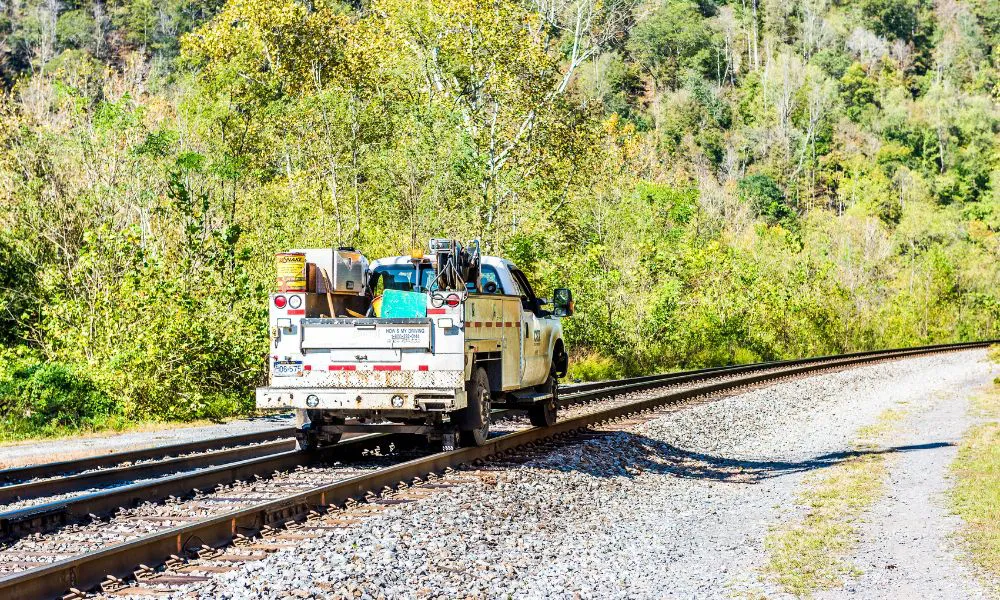
In a case that underscores the complexities of insurance coverage, two major insurers are embroiled in a legal battle stemming from a collision involving a hi-rail truck in Alabama. On August 10, 2026, Indian Harbor Insurance Company filed a lawsuit in federal court seeking a judicial declaration that it is not liable for covering the damages resulting from this incident. Instead, Indian Harbor asserts that State Farm, the other involved insurer, should bear the financial burden. The dispute illustrates not only the intricacies of insurance policies but also the potential ramifications for businesses and individuals relying on coverage during unforeseen accidents.
The incident in question occurred on August 7, 2023, when an employee of Southern Design and Materials, Inc. was operating a hi-rail truck—a specialized vehicle equipped with additional wheels allowing it to traverse both highways and railroad tracks. According to court documents, the driver of the hi-rail truck, who was trailing another similar vehicle, was unable to stop in time as the leading truck halted at a railroad crossing. This unfortunate sequence of events led to a collision, resulting in injuries to the lead driver who subsequently filed a lawsuit against both the operator and Southern Design and Materials.
The Legal Tug-of-War: How the Insurers Are Positioned
This case has escalated into a classic example of insurers pointing fingers at one another, each attempting to absolve itself of financial responsibility. Indian Harbor maintains that its policy explicitly excludes coverage for any bodily injury arising from the ownership, maintenance, or use of an 'auto.' This position is rooted in the language of its commercial general liability policy, which includes a significant auto exclusion clause: the coverage “does not apply to” bodily injury “arising out of the ownership, maintenance, use or entrustment to others of any…‘auto’ owned or operated by any insured.”
Understanding the Auto Exclusion Clause
Indian Harbor's interpretation hinges on the definition of “auto.” Since the hi-rail truck is designed primarily for road use and carries liability insurance as mandated by Alabama law, Indian Harbor argues that it qualifies as an auto under the terms of their policy. Therefore, they assert that the accident is excluded from coverage, leaving State Farm to handle the claim.
State Farm's Position: Equipment Exclusion
On the flip side, State Farm’s stance is equally firm but derived from a different interpretation of the events. According to their records, State Farm informed Southern Design and Materials that the accident would not be covered under their auto policy. They argue that the claim arose from equipment specifically mounted on the truck—the rail wheels necessary for its operation on railroad tracks. Under State Farm's Commercial Vehicle Endorsement, there is a clause stating, “NO COVERAGE FOR AN INSURED FOR DAMAGES ARISING OUT OF THE OPERATION, MAINTENANCE, OR USE OF ANY EQUIPMENT THAT IS TOWED BY, MOUNTED ON, OR CARRIED ON ANY VEHICLE.”

The Heart of the Matter: Defining Coverage
This discrepancy in interpretation raises a critical question: What constitutes the basis of coverage? Indian Harbor counters that the accident did not stem from the operation of any separate equipment but rather from the truck itself. They further posit that the rail wheels are intended for road maintenance, which could potentially fall under an exception to the exclusion. The legal definitions and interpretations of these exclusions are paramount in determining which insurance company holds the responsibility for the claim.
Potential Outcomes and Implications
As both insurers have agreed to defend the involved parties under a reservation of rights—meaning they are providing defense while reserving the right to deny coverage later—the case could have far-reaching implications. Indian Harbor's policy includes a provision that its coverage is excess over other insurance when the loss arises from the use of an auto. This means if both policies are found applicable, State Farm’s auto coverage would be considered primary, and Indian Harbor would only be liable once State Farm’s limits are exhausted.
Currently, the defendants have yet to respond to the allegations in court, and no rulings have been made regarding the applicability of the respective policies. As the case progresses, the court's decision will not only dictate the outcome for the involved parties but also set a precedent for how similar cases are handled in the future.
Understanding the Broader Impact of Insurance Disputes
Legal disputes like this one are not uncommon in the insurance industry. They highlight the importance of clear communication and understanding of policy terms for both businesses and consumers. In a landscape where specialized equipment like hi-rail trucks is increasingly used, it’s crucial for policyholders to understand their coverage limits, exclusions, and the definitions that insurers may use to determine liability.
- Review Your Policy: Ensure you understand the exclusions and limits of your coverage.
- Consult an Insurance Expert: If you operate specialized vehicles, seek professional advice on appropriate coverage.
- Stay Informed: Follow legal developments that could impact your coverage and rights as a policyholder.
Key Takeaways
- The ongoing legal battle revolves around coverage for a collision involving a hi-rail truck.
- Insurers are disputing liability based on different interpretations of their policy exclusions.
- Both insurers are currently defending the involved parties while reserving rights regarding coverage.
- The case could set a precedent for future disputes involving specialized vehicles and insurance coverage.
Frequently Asked Questions
What is a hi-rail truck?
A hi-rail truck is a specialized vehicle designed to operate on both public roads and railroad tracks. It is equipped with additional wheels that allow it to transition from road to rail seamlessly, often used for maintenance and repair work on railway infrastructure.
Why are insurers fighting over coverage in this case?
The insurers are contesting which policy should cover the damages resulting from the accident. Indian Harbor argues that its policy's auto exclusion applies, while State Farm maintains that the accident arose from equipment mounted on the truck, which is excluded under their policy. This disagreement is leading to a legal battle over liability.
What does “reservation of rights” mean in insurance?
A reservation of rights occurs when an insurer defends a policyholder against a claim while simultaneously reserving the right to deny coverage later. This means the insurer is protecting the insured from immediate legal costs but may dispute liability based on policy terms once the case concludes.
How can policyholders protect themselves from similar disputes?
Policyholders should thoroughly review their insurance policies to understand the coverage, limits, and exclusions. Consulting with an insurance expert can provide clarity, especially for those operating specialized vehicles. Keeping abreast of legal developments in the insurance landscape can also help policyholders navigate potential disputes more effectively.
Comments
The Data Divide: How Access to Healthcare Information Shapes Employer Strategies
Employers are frustrated by rising healthcare costs, but a new survey reveals that access to data may be the key to effective cost management. Understanding the implications of this data divide can empower organizations to take actionable steps.

Related articles



Popular in Business Insurance
- Surging War-Risk Insurance Rates in the Strait of Hormuz: What It Means for Shipping
- Ross & Yerger Insurance Faces Class Action Over Data Breach Allegations
- Sompo Expands U.S. Workers' Compensation Portfolio with Service Insurance Acquisition
- Legal Battle Unfolds Over $1 Million Truck Crash Insurance Payout
- Howden Group's Ambitious Journey Toward IPO and Expansion