Understanding the Challenges of Food Safety in US-Mexico Produce Trade
Recent outbreaks linked to Taylor Farms highlight vulnerabilities in the US food safety system as reliance on Mexican produce grows. This article explores the implications for consumers and regulatory practices.
The recent foodborne illness outbreaks linked to Taylor Farms' products have thrown a spotlight on the increasing reliance of the United States on Mexican agricultural imports. With thousands of Americans falling ill from contaminated produce, these incidents raise urgent questions about the efficacy of food safety regulations and the ability of U.S. authorities to ensure the safety of imported goods. As consumers enjoy year-round access to diverse foods, the dark side of this convenience reveals significant vulnerabilities in the food supply chain.
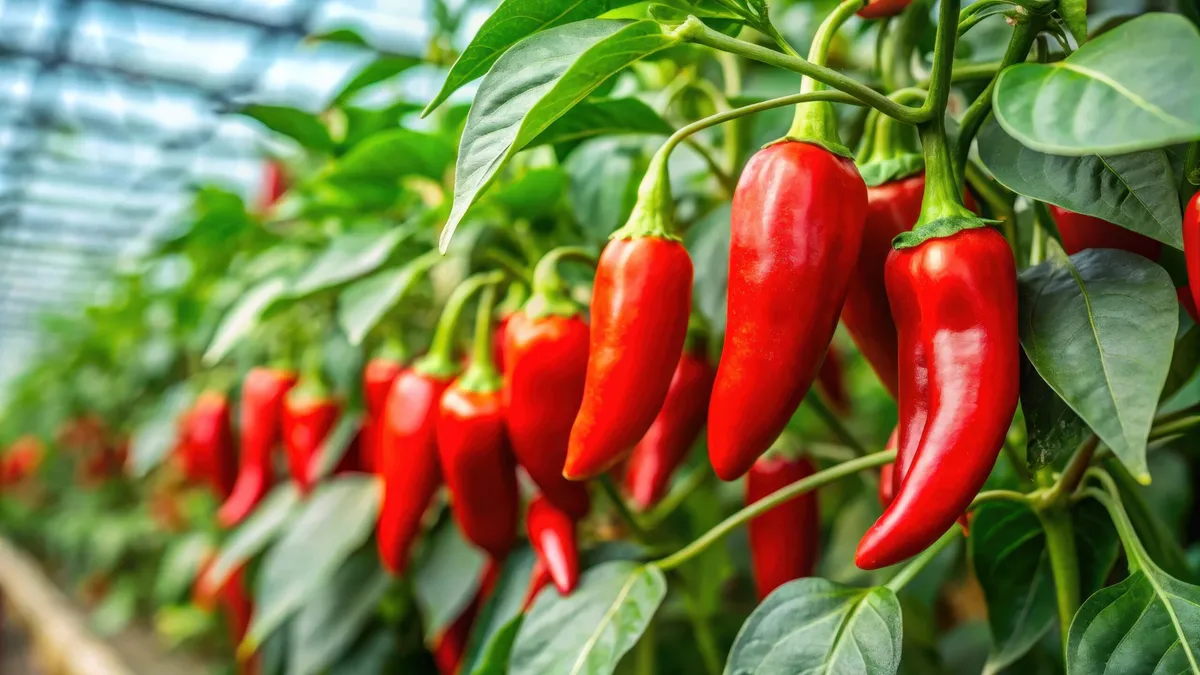
In August 2026, Taylor Farms, a leading supplier with a $7 billion valuation, recalled products containing jalapeños after a salmonella outbreak affected hundreds. This followed a devastating cyclosporiasis outbreak connected to iceberg lettuce imported from Mexico, which sickened over 6,300 individuals and resulted in two fatalities. These back-to-back incidents have reignited concerns over the U.S. Food and Drug Administration's (FDA) capacity to oversee imported food adequately, especially as the agency grapples with staffing shortages and declining inspection rates.
The Rising Dependence on Mexican Produce
Since the implementation of the North American Free Trade Agreement (NAFTA) in 1994, U.S. agricultural imports from Mexico have skyrocketed. The U.S. Department of Agriculture reports that imports have surged by nearly 1,500%, reaching over $16.1 billion in fresh produce in 2025 alone. As Luis Ribera, an agricultural economist at Texas A&M University, points out, Mexico now supplies more than 20% of all U.S. food imports, fulfilling the demand for fresh produce throughout the year.
However, as the U.S. increasingly relies on Mexican farms to meet consumer demand, the potential risks associated with foodborne illnesses have become more pronounced. Since the early 2000s, food safety investigations have linked multiple outbreaks to a range of imported Mexican produce, including peppers, cantaloupes, cilantro, and leafy greens. Investigations often reveal deficiencies in irrigation water quality and sanitation practices, raising alarm about the overall safety of agricultural practices in Mexico.
Regulatory Oversight: A Growing Concern
The FDA's oversight of imported food has faced significant challenges, particularly in recent years. Staffing cuts at the FDA, which have resulted in a 22% decline in employment since 2024, coupled with a nearly 13% drop in foreign food facility inspections in fiscal 2025, have reduced the agency's ability to monitor food safety effectively. This is concerning, given that imports of food products have continued to rise during this period.
Experts like Jennifer McEntire, founder of the Food Safety Strategy consultancy, emphasize that decreased regulatory oversight has detrimental effects on food safety. The FDA’s failure to respond proactively to ongoing outbreaks poses a risk not only to public health but also to the credibility of the U.S. food system.
Challenges in Food Safety Regulations
One of the critical issues is the lack of a uniform certification policy for Mexican produce suppliers, which would require demonstrable safety protocols, particularly regarding the quality of irrigation water used in agriculture. Cristobal Chaidez, a food safety researcher in Mexico, points out that small farmers may resort to using poor-quality water sources during droughts, compounding food safety risks.
While the FDA has established safeguards for certain regions, these measures do not cover all Mexican agricultural exports. The absence of comprehensive regulations means that many suppliers operate without stringent oversight, which can lead to unsafe products entering the U.S. market.

How Companies Handle Food Safety
In response to the recent outbreaks, Taylor Farms temporarily closed its Guanajuato processing facility linked to the cyclosporiasis outbreak. The company claims to test its water sources for fecal indicator organisms and asserts that it has cooperated fully with regulators regarding food safety concerns.
However, this incident is not the first time Taylor Farms has faced scrutiny. In 2013, a similar outbreak associated with a bagged salad mix produced in Mexico led to illnesses in Iowa and Nebraska. Such recurring issues raise questions about the effectiveness of existing food safety practices and whether companies are adequately policing their supply chains.
Import Alerts and Their Limitations
Historically, the FDA has used import alerts to manage risk by placing specific products and regions under heightened scrutiny. Companies that demonstrate compliance with enhanced testing and auditing may join the FDA's “green list,” allowing them to bypass border inspections for certain products. However, as McEntire notes, these tools are often reactive rather than proactive and may not provide sufficient guarantees of safety across the board.
The green list system does not universally apply to Mexican agriculture, leaving many products without adequate oversight. This gap in regulation means that consumers remain at risk from contaminated produce, underscoring the need for a reevaluation of food safety policies.

Consumer Implications and Recommendations
The implications of these food safety challenges are profound for consumers. Outbreaks of foodborne illnesses not only result in health risks but can also lead to significant economic impacts on the food supply chain. As the FDA struggles with staffing and regulation, consumers must be vigilant about the food they purchase.
- Here are some recommendations for consumers:
- Always wash fresh produce thoroughly before consumption, even if it appears clean.
- Stay informed about food recalls and outbreaks through reliable sources like the CDC or FDA.
- Consider purchasing organic products, which may have stricter safety standards.
- Advocate for stronger food safety regulations at both state and federal levels.
By taking these steps, consumers can better protect themselves and push for meaningful change in food safety regulations.
Key Takeaways
- The U.S. reliance on Mexican produce has increased significantly, raising food safety concerns.
- Recent outbreaks linked to Taylor Farms highlight the limitations of FDA oversight.
- Lack of uniform certification for Mexican suppliers creates vulnerabilities in food safety.
- Consumers should take proactive steps to ensure their food is safe and stay informed about recalls.
Frequently Asked Questions
What should consumers do if they suspect foodborne illness?
If you suspect that you have contracted a foodborne illness, it's important to seek medical attention immediately. Symptoms can range from mild gastrointestinal discomfort to severe illness, requiring hospitalization. Additionally, report your illness to your local health department, as this can help identify outbreaks and protect others from potential exposure. Keeping a record of what you've eaten in the days leading up to your illness can also assist health officials in their investigation.
Are there specific foods that are more likely to be contaminated?
Certain foods are indeed more susceptible to contamination, particularly fresh produce such as leafy greens, tomatoes, and peppers. These foods can be exposed to unsafe water sources or contaminated during harvesting and processing. Animal products, such as undercooked meats and eggs, also pose significant risks. It's important to remain aware of food safety guidelines when handling and preparing these items.
How can legislation improve food safety for imported produce?
Stronger legislation can enhance food safety by establishing uniform certification requirements for all imported produce, particularly from countries with known risks like Mexico. This would ensure that all suppliers adhere to strict safety protocols, including regular water quality testing and sanitation practices. Additionally, increasing funding for the FDA can help improve inspection rates and expand oversight, making the food supply safer for consumers.
Comments
Navigating Duty to Defend: Insights from Mt. Hawley's Case
A recent Eleventh Circuit ruling highlights the complexities of insurer duties in construction-related injuries. This article explores the implications of the Mt. Hawley case for insurers and contractors.

Related articles





Popular in Business Insurance
- Surging War-Risk Insurance Rates in the Strait of Hormuz: What It Means for Shipping
- Ross & Yerger Insurance Faces Class Action Over Data Breach Allegations
- Sompo Expands U.S. Workers' Compensation Portfolio with Service Insurance Acquisition
- Legal Battle Unfolds Over $1 Million Truck Crash Insurance Payout
- Howden Group's Ambitious Journey Toward IPO and Expansion