Detroit Automakers Warn of Billions in Costs from Trade Deal Changes
Amid proposed changes to the North American trade deal, Detroit's automakers express concerns that new requirements could lead to billions in added costs, impacting their competitiveness. As tariffs weigh heavily on the industry, the future of U.S. auto manufacturing hangs in the balance.

The automotive industry in the United States, particularly in Detroit, is navigating choppy waters as the Trump administration pushes for a revamp of the North American Free Trade Agreement (NAFTA). Automakers are raising alarms over new proposals that they believe could significantly inflate their operational costs, potentially costing billions of dollars and putting them at a competitive disadvantage against foreign rivals. As the industry grapples with existing tariffs and shifting trade dynamics, the stakes have never been higher for these iconic American manufacturers.
Companies like General Motors (GM) and Ford are already feeling the strain of tariffs imposed last year, which target steel and aluminum imports and apply levies on car parts and vehicles from Mexico and Canada. As they prepare for upcoming negotiations with Mexican trade officials, the proposed requirements that at least 50% of vehicle content be made in the U.S. have raised red flags. This mandate, combined with an increase in overall North American vehicle content from 75% to a higher threshold, could add at least $2 billion in annual costs for each major automaker. With such financial burdens looming, the question is: can U.S. automakers remain competitive in an increasingly globalized market?
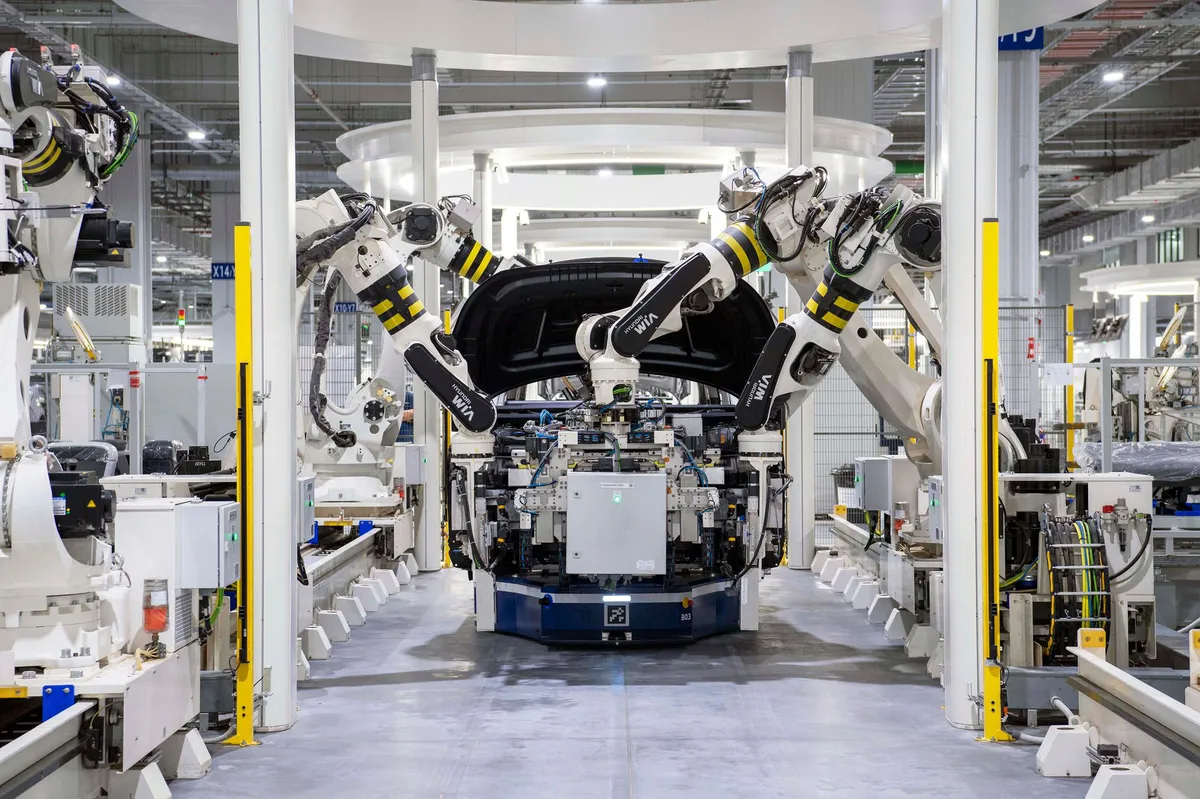
Current Tariff Landscape and Its Impact
The current tariff landscape has already placed immense pressure on American automakers. General Motors anticipates that tariffs will cost them between $2.5 billion and $3.5 billion in 2026, which could account for more than 20% of its operating profit. Ford, on the other hand, estimates its net tariffs to be around $1 billion. Such figures illustrate the weight of these tariffs and the urgency for automakers to adapt.
In a bid to demonstrate commitment to domestic production, Ford recently announced the relocation of Lincoln model production from China to American factories. CEO Jim Farley signaled that the administration's tariffs influenced this decision, highlighting a broader trend among automakers to respond to policy changes by shifting production strategies. This pivot underscores how vital trade policies are to the future of manufacturing in the U.S.

The Competitive Playing Field: U.S. vs. Foreign Automakers
One of the most pressing concerns for U.S. automakers is the competitive disadvantage they face compared to their foreign counterparts. Japanese, South Korean, and European automakers exporting vehicles to the U.S. benefit from a flat 15% tariff, placing American manufacturers at a significant disadvantage when it comes to pricing and market access. This disparity has not gone unnoticed by industry leaders.
Mary Barra, CEO of GM, has voiced concerns over the need for U.S. automakers to compete effectively against these foreign companies. She emphasized the importance of tariff rates in the overall competitive landscape, calling for a more equitable trade environment that allows American automakers to thrive.
- Current U.S. tariff rate for imports: 25% on vehicles from Mexico and Canada.
- Proposed U.S.-made content requirement: 50% to qualify for lower tariffs.
- Estimated annual cost increase: $2 billion for each Detroit automaker.

Strategic Moves by U.S. Automakers
In response to these challenges, U.S. automakers are strategizing to enhance their domestic production capabilities. Ford's recent announcement to move Lincoln production back to the U.S. exemplifies a larger trend of onshoring manufacturing to mitigate tariff impacts. Ford's leadership acknowledges the need to adapt quickly to the current trade climate, signaling a shift in strategy that could influence future production decisions across the industry.
U.S. Commerce Secretary Howard Lutnick expressed optimism that more automakers would follow suit, emphasizing the administration's efforts to create a favorable environment for domestic manufacturing. As negotiations move forward, the hope is that U.S. automakers can work collaboratively with the government to shape policies that support their competitive position in the global market.
The Role of Trade Agreements in Shaping the Future
As the U.S., Mexico, and Canada prepare for their next round of trade talks, the implications of these negotiations extend beyond just tariffs. The American Automotive Policy Council, which represents major U.S. automakers, is advocating for a trade framework that ensures fair competition. They argue that vehicles made with significant U.S. content should benefit from lower tariffs compared to those with less domestic content.
Moreover, foreign automakers operating in the U.S. are also feeling the pressure from the current trade environment. Jennifer Safavian, president of Autos Drive America, highlighted that all automakers, regardless of origin, are being affected by the ongoing negotiations. The stakes are high, as the outcome of these discussions will shape the automotive landscape for years to come.

Key Takeaways
- Detroit automakers are facing potential costs exceeding $2 billion annually due to proposed trade deal changes.
- Current tariffs are placing U.S. automakers at a competitive disadvantage compared to foreign manufacturers.
- Onshoring production is becoming a strategic response to mitigate tariff impacts.
- The outcome of upcoming trade negotiations could significantly influence the future of the U.S. auto industry.
Frequently Asked Questions
What are the proposed changes to the North American trade deal?
The proposed changes include a requirement that at least 50% of vehicle content be sourced from the U.S. to qualify for lower tariffs, as well as an increase in the overall North American content requirement from 75%. These changes are intended to bolster domestic manufacturing but could lead to increased costs for automakers.
How are tariffs affecting U.S. automakers?
Tariffs imposed on steel, aluminum, and imported vehicles have added significant costs to U.S. automakers, with GM and Ford estimating their tariff-related expenses to be in the billions. These additional costs can reduce profit margins and affect their ability to compete against foreign manufacturers who face lower tariffs.
What steps are automakers taking in response to these challenges?
In response to the changing trade landscape, automakers like Ford are shifting production back to the U.S. from overseas locations to mitigate tariff impacts. This onshoring strategy is a proactive measure aimed at ensuring compliance with new trade regulations while reducing supply chain vulnerabilities.
Why is U.S. content important in these trade discussions?
U.S. content is critical in trade discussions because it directly affects the tariff rates that automakers face. Vehicles with higher U.S. content can benefit from lower tariffs, which can enhance competitiveness in the market. The proposed changes aim to incentivize domestic production and support the U.S. economy.
Comments
Navigating Duty to Defend: Insights from Mt. Hawley's Case
A recent Eleventh Circuit ruling highlights the complexities of insurer duties in construction-related injuries. This article explores the implications of the Mt. Hawley case for insurers and contractors.

Related articles







Popular in Business Insurance
- Surging War-Risk Insurance Rates in the Strait of Hormuz: What It Means for Shipping
- Ross & Yerger Insurance Faces Class Action Over Data Breach Allegations
- Sompo Expands U.S. Workers' Compensation Portfolio with Service Insurance Acquisition
- Legal Battle Unfolds Over $1 Million Truck Crash Insurance Payout
- Howden Group's Ambitious Journey Toward IPO and Expansion