Shein's Legal Woes: A Deep Dive into the Copyright Suit Against Temu
Shein faces a significant legal setback after losing a UK lawsuit against Temu over copyright infringement allegations. This ruling highlights the intense competition in the fast-fashion market and raises questions about intellectual property rights in e-commerce.
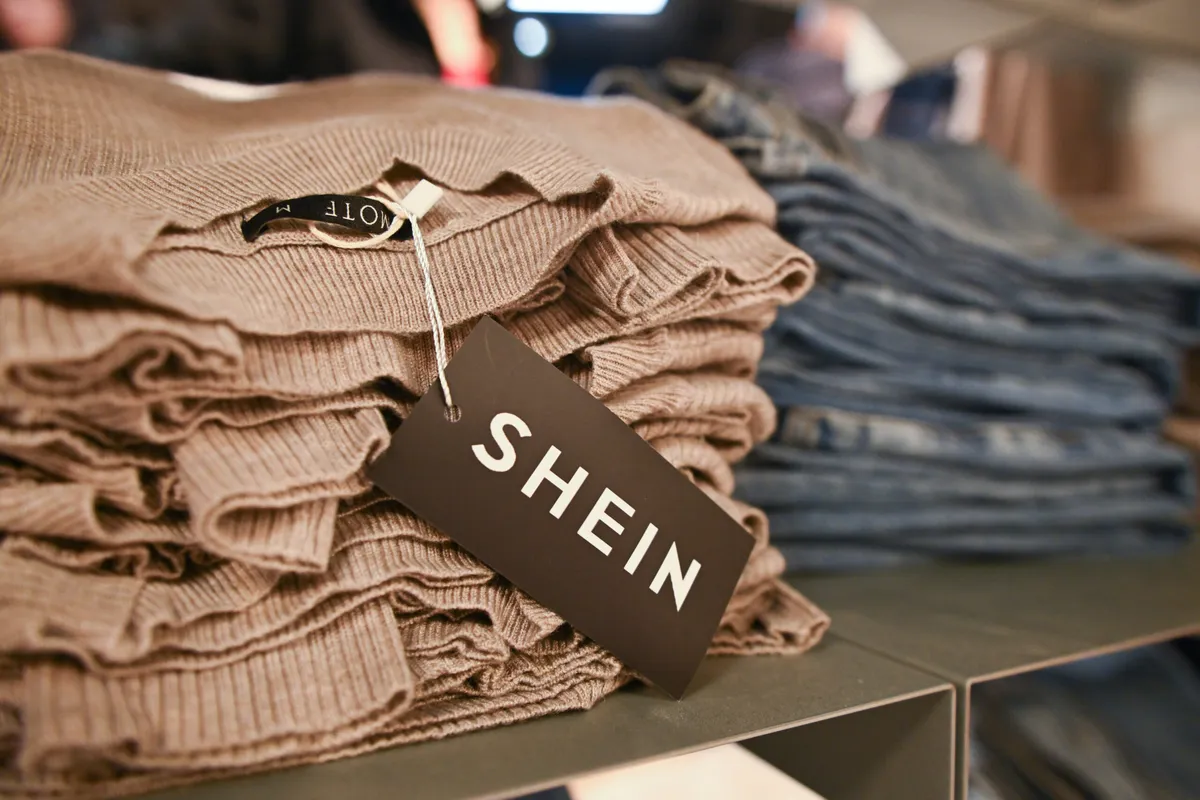
In an unexpected turn of events, Shein, the fast-fashion giant, has suffered a significant legal defeat in a UK court against rival e-commerce platform Temu, owned by PDD Holdings Inc. The case, which revolved around allegations of large-scale copyright violations, has not only drawn attention to the competitive landscape of the ultra-fast fashion market but also sparked discussions about the implications of copyright law in the digital age. With Shein's impending initial public offering (IPO) in Hong Kong valued at approximately $30 billion, this ruling could have far-reaching consequences for the company’s operations and reputation.
Shein accused Temu of committing “astonishing” levels of copyright infringement, claiming that the latter had utilized thousands of images from its website without permission. In response, Temu countered with allegations of Shein's aggressive tactics aimed at undermining its business. As the court ruling was made public, it became clear that the case was not merely about copyright but also a reflection of the fierce competition between these two e-commerce behemoths.
Understanding the Legal Landscape
The ruling from the London court mandates that Shein compensate Temu for the removal of thousands of product listings that Shein claimed were infringing its copyrights. This decision underscores the complexities of copyright law, particularly in cases involving digital content. Copyright infringement, in this context, refers to the unauthorized use of copyrighted material, which can lead to significant financial consequences for the infringer.
The court's decision hinged on the fact that Shein's ownership of the photographs in question was undisputed. However, Temu managed to evade liability, based on the location of its servers, which are situated in Ireland. Shein's contention that this outcome is unjust for brands and rights holders highlights the broader challenges faced by companies in protecting their intellectual property in an increasingly digital marketplace.

Implications for the Fast-Fashion Industry
The implications of this ruling extend far beyond the immediate legal consequences for Shein and Temu. The fast-fashion industry, characterized by rapid production and distribution cycles, is particularly vulnerable to copyright infringement issues. As brands rush to capitalize on the latest trends, the risk of unintentionally using protected material increases, leading to legal disputes that can have lasting impacts.
Furthermore, this case brings to light the competitive dynamics within the fast-fashion sector. Shein and Temu, both founded by billionaire entrepreneurs, Xu Yangtian and Colin Huang respectively, are locked in a battle for market share, utilizing overlapping production networks and shared suppliers. This intensifying competition raises questions about ethical practices in the industry and the lengths to which companies will go to protect their market position.
The Future of Shein: What Lies Ahead?
As Shein prepares for its IPO, the recent legal ruling poses a significant challenge. The company is not only dealing with the financial ramifications of the court's decision but also the potential impact on its public image. Investors typically scrutinize legal disputes, especially those involving intellectual property, as they can signal underlying issues within a company’s operational practices.
The court has also scheduled a separate trial to determine the exact compensation Shein must provide to Temu, which further complicates the company's financial outlook. Additionally, the U.K. Competition Appeal Tribunal is set to hear allegations that Shein employed a strategic approach to weaken Temu's competitive ability in the market. Such allegations could lead to further scrutiny and regulatory challenges for Shein, particularly in light of growing concerns over monopolistic practices in various industries.

Broader Impact of E-Commerce Copyright Cases
This case is part of a larger trend in digital commerce where copyright infringement cases are increasingly common. As more businesses transition to online platforms, the potential for copyright disputes grows. Companies must navigate a complex web of copyright laws and regulations that vary by jurisdiction, often complicating their ability to protect their intellectual property effectively.
As e-commerce continues to thrive, the importance of establishing clear guidelines for copyright usage and enforcement becomes paramount. Brands must invest in robust legal strategies to safeguard their assets while also fostering a culture of innovation that respects the intellectual property rights of others.
- Understand your rights: Businesses need to have a clear understanding of copyright laws and how they apply to their products and content.
- Monitor competitors: Keeping an eye on competitors can help businesses identify potential infringements before they escalate into legal disputes.
- Legal consultation: Engaging with legal experts can provide businesses with the necessary tools to protect their intellectual property effectively.

Key Takeaways
- Shein's lawsuit against Temu highlights the challenges of copyright enforcement in the e-commerce sector.
- The ruling underscores the need for businesses to understand and protect their intellectual property.
- The ongoing competition between Shein and Temu serves as a case study for the fast-fashion industry's dynamics.
Frequently Asked Questions
What was the basis of Shein's lawsuit against Temu?
Shein's lawsuit against Temu was primarily based on allegations of copyright infringement. Shein claimed that Temu had used thousands of images from its website without authorization, which Shein described as “astonishing” levels of infringement. The court, however, ruled against Shein, indicating that the ownership of the images was undisputed, but liability was avoided by Temu due to the location of its servers.
What does the ruling mean for the future of Shein?
The court's ruling poses significant challenges for Shein, especially as it approaches its IPO. The requirement to compensate Temu for the removal of product listings could impact its financial position. Furthermore, ongoing legal scrutiny regarding its competitive practices in the UK could affect investor confidence and public perception of the brand.
How can businesses protect their intellectual property in e-commerce?
Businesses can protect their intellectual property by understanding copyright laws and monitoring their competitors to identify potential infringements. Engaging legal counsel to develop a comprehensive strategy for safeguarding their assets is essential. Additionally, fostering a culture of respect for intellectual property within the organization can help prevent disputes from arising.
Comments
Navigating Duty to Defend: Insights from Mt. Hawley's Case
A recent Eleventh Circuit ruling highlights the complexities of insurer duties in construction-related injuries. This article explores the implications of the Mt. Hawley case for insurers and contractors.

Related articles







Popular in Business Insurance
- Surging War-Risk Insurance Rates in the Strait of Hormuz: What It Means for Shipping
- Ross & Yerger Insurance Faces Class Action Over Data Breach Allegations
- Sompo Expands U.S. Workers' Compensation Portfolio with Service Insurance Acquisition
- Legal Battle Unfolds Over $1 Million Truck Crash Insurance Payout
- Howden Group's Ambitious Journey Toward IPO and Expansion