Tesla Issues Recall of 20,000 Vehicles Due to Bright Headlights
Tesla is recalling over 20,000 vehicles due to low-beam headlights that may pose a safety risk. This recall reflects ongoing scrutiny of Tesla's vehicle safety standards amid increasing regulatory pressure.
In a significant move that underscores the ongoing scrutiny faced by the electric vehicle giant, Tesla has announced the recall of 20,349 vehicles in the United States due to an issue with excessively bright low-beam headlights. The recall, reported by the U.S. National Highway Traffic Safety Administration (NHTSA), highlights potential safety risks as the overly bright headlights may reduce visibility for oncoming drivers, raising the likelihood of accidents on the road.
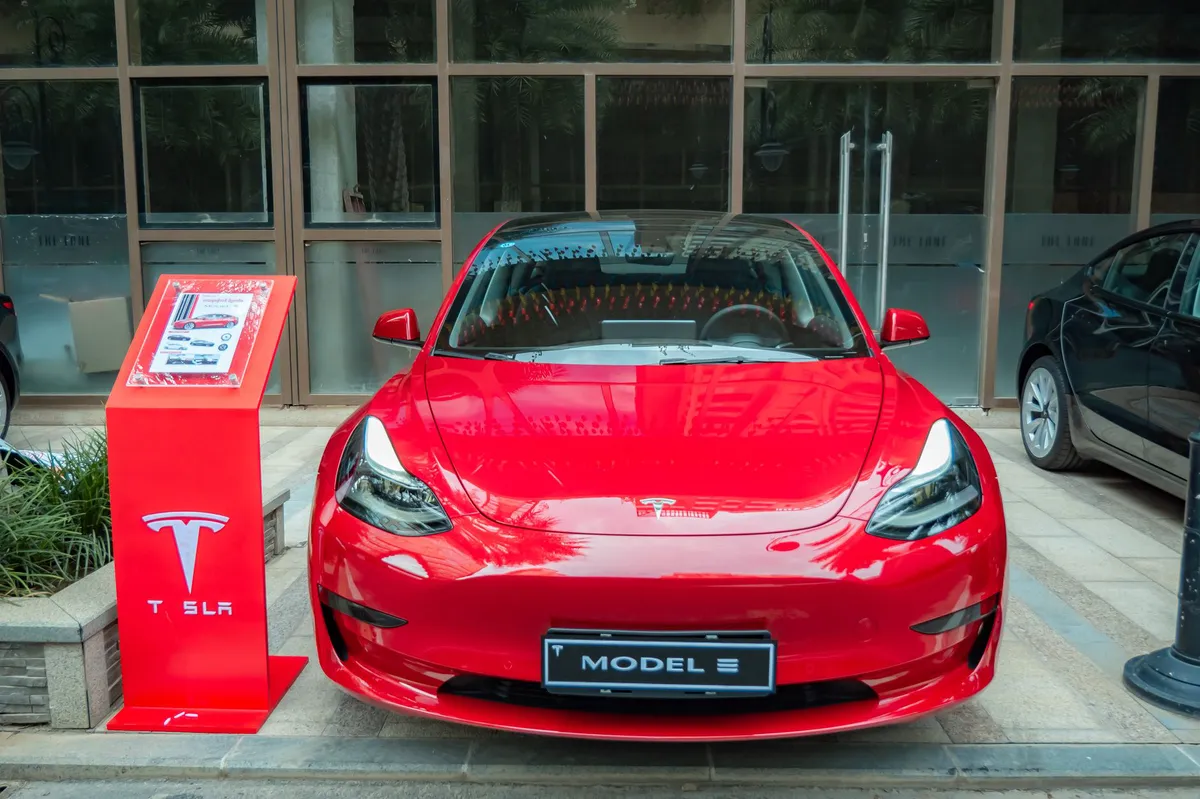
This recall primarily affects certain models of the Tesla Model 3 and Model Y, both of which have garnered attention for their innovative technology and design. However, the recent recall brings to light critical questions regarding vehicle safety and regulatory compliance within the rapidly evolving automotive industry.
Understanding the Recall and Its Implications
The NHTSA's action emphasizes the importance of regulatory oversight in the automotive sector, particularly as manufacturers introduce new technologies at an unprecedented pace. The agency has yet to finalize a remedy for the identified issue, which means affected vehicle owners remain in a state of uncertainty regarding how and when the problem will be resolved.
The excessively bright headlights could not only lead to increased risks of accidents but also invite potential legal repercussions for Tesla. When manufacturers fail to adhere to safety standards, they may face penalties and lawsuits, which could further impact their reputation and financial standing.
The Context of Vehicle Safety Regulations
Vehicle safety regulations are designed to protect both drivers and pedestrians by ensuring that automobiles meet specific performance criteria. The NHTSA plays a crucial role in this ecosystem by monitoring vehicle safety recalls and conducting investigations into defect reports. In light of Tesla's recent challenges, including a preliminary investigation into suspension failures affecting approximately 1.2 million vehicles, the agency's scrutiny reflects a broader concern about the company's adherence to safety protocols.
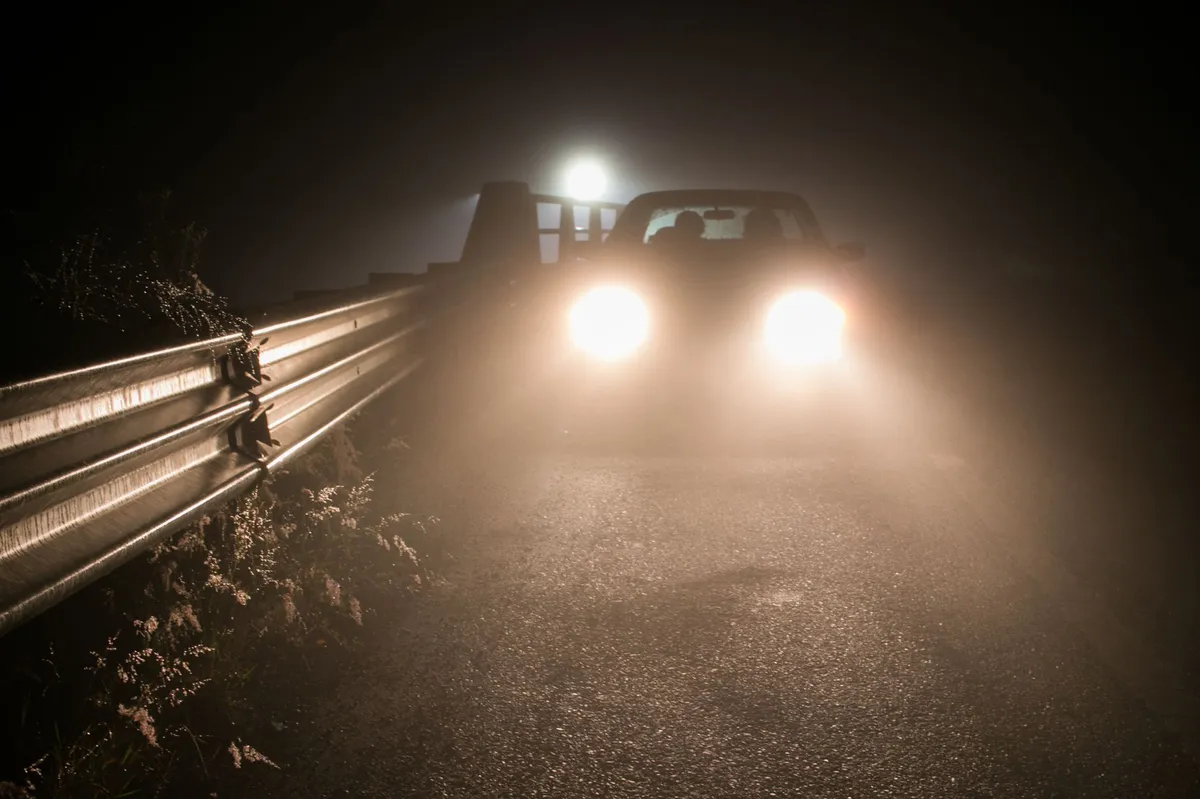
Headlight brightness is particularly significant because it affects not only the vehicle's driver but also other road users. According to the NHTSA, improperly calibrated headlights can blind oncoming drivers, leading to dangerous situations, especially at night or in adverse weather conditions. The agency's investigation into Tesla's lighting issues could set a precedent for future cases involving similar concerns.
Who is Affected and What Should Owners Do?
The recall affects Tesla owners of specific Model 3 and Model Y vehicles manufactured within a particular timeframe. Vehicle owners will receive notifications from Tesla, advising them on the next steps to take. Here’s what they should keep in mind:
- Stay Informed: Keep an eye on communications from Tesla regarding the recall.
- Check VIN: Owners should check their Vehicle Identification Number (VIN) to determine if their vehicle is affected.
- Schedule Repairs: Once a remedy is announced, schedule an appointment with Tesla service centers for repairs.
Moreover, owners should consider reviewing their vehicle's warranty and insurance coverage, as certain repairs might be covered under warranty or could affect insurance premiums, especially if accidents occur due to the malfunctioning headlights.
Broader Implications for Tesla and the EV Market
This recall is more than just a technical issue; it reflects the evolving landscape of the electric vehicle (EV) market. As more consumers transition to EVs, the emphasis on safety features and compliance with regulations becomes paramount. Tesla, a pioneer in this space, has often been lauded for its cutting-edge technology but must also ensure that it adheres to safety standards to maintain consumer trust.
Additionally, the current recall could impact Tesla's brand reputation and sales. While Tesla has a loyal customer base, negative press surrounding recalls can sway potential buyers and affect overall market performance. The company must balance innovation with responsibility, ensuring that safety is not compromised in the pursuit of technological advancement.
Key Takeaways
- Tesla is recalling over 20,000 vehicles due to excessively bright low-beam headlights.
- The NHTSA is investigating the potential safety risks associated with the headlights.
- Affected owners should stay informed and prepare for upcoming repair notifications.
- The recall underscores the importance of safety compliance in the automotive industry.
- This incident may impact Tesla's brand image and consumer trust as the EV market expands.
Frequently Asked Questions
What should I do if my Tesla is affected by the recall?
If your Tesla Model 3 or Model Y is part of the recall, you should receive a notification from the company. It is important to check your Vehicle Identification Number (VIN) against the recall list. Once Tesla announces a remedy, schedule a service appointment to have the headlights adjusted or replaced as necessary. Keeping your vehicle in compliance with safety standards is crucial for both your safety and that of others on the road.
How does a vehicle recall process work?
The vehicle recall process typically begins when a manufacturer identifies a defect that could affect safety. The manufacturer reports the issue to the NHTSA, which then investigates the claim. If the NHTSA finds the defect to be serious, it may mandate a recall. The manufacturer is responsible for notifying affected owners and providing a remedy, which could include repairs, replacements, or refunds. Owners can also report issues directly to the NHTSA, contributing to the oversight process.
Will this recall affect my Tesla's resale value?
While recalls can impact resale value, the effect often depends on how the manufacturer handles the situation. If Tesla addresses the recall promptly and effectively, the impact on resale value may be minimal. However, ongoing issues or negative perceptions stemming from the recall could lead to a decrease in value. Prospective buyers often consider a vehicle's history of recalls when making purchase decisions, so transparency and resolution are key to maintaining Tesla's brand equity.
What other safety concerns has Tesla faced recently?
Tesla has faced scrutiny over various safety concerns, including a preliminary investigation into suspension failures affecting approximately 1.2 million vehicles. This investigation is part of a broader examination of Tesla's adherence to safety standards, as well as its response to consumer complaints regarding vehicle performance. As the EV market grows, Tesla's ability to navigate these challenges will be critical in shaping its future and maintaining its position as a leader in the industry.
Comments
Navigating Duty to Defend: Insights from Mt. Hawley's Case
A recent Eleventh Circuit ruling highlights the complexities of insurer duties in construction-related injuries. This article explores the implications of the Mt. Hawley case for insurers and contractors.
Related articles


Popular in Business Insurance
- Surging War-Risk Insurance Rates in the Strait of Hormuz: What It Means for Shipping
- Ross & Yerger Insurance Faces Class Action Over Data Breach Allegations
- Sompo Expands U.S. Workers' Compensation Portfolio with Service Insurance Acquisition
- Legal Battle Unfolds Over $1 Million Truck Crash Insurance Payout
- Howden Group's Ambitious Journey Toward IPO and Expansion