Navigating Animal Collision Risks: A State-by-State Breakdown
A recent analysis reveals that animal collisions account for a significant portion of auto comprehensive losses, particularly in rural states. This article explores the implications for insurance coverage and the seasonal patterns affecting claims.
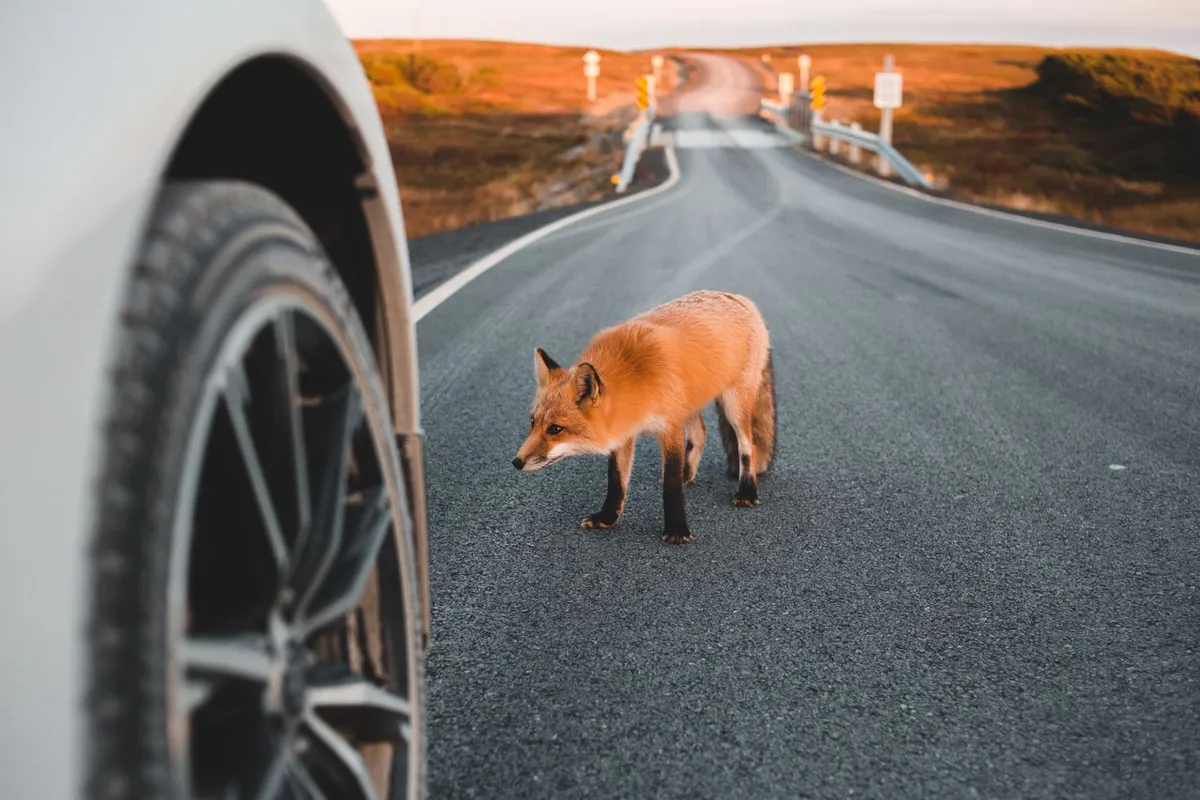
As the seasons shift from summer to fall, certain states across the U.S. brace for an annual surge in animal collisions, particularly involving deer. A recent analysis by Farmers Insurance highlights a concerning trend: in several states, these collisions account for a staggering percentage of comprehensive auto insurance losses. With the data revealing that Montana leads the nation with 74% of its comprehensive losses resulting from animal strikes, it raises critical questions about the implications for car insurance policies and coverage adequacy.
This article delves into the findings of this analysis, exploring the impact of animal collisions on auto insurance claims, the specific states most affected, and what drivers and insurance agents need to know as they prepare for this peak season.
The Prevalence of Animal Collisions in Key States
The Farmers Insurance study, covering claims from August 2023 through July 2026, found that states with high percentages of animal collision losses are primarily located in the Upper Midwest and Northern Plains. Following Montana, Michigan, Iowa, South Dakota, and North Dakota also reported alarmingly high figures, with 72%, 71%, 70%, and 68% of their comprehensive losses, respectively, attributed to animal collisions. This trend indicates that wildlife poses a significant risk on the roadways, particularly in rural areas where vehicle and animal encounters are more likely.
Interestingly, Pennsylvania generates a higher volume of animal collision claims, but its comprehensive loss activity is influenced by other factors, such as weather-related incidents. Jonathan Hart, head of national auto physical damage and regional claims at Farmers, emphasized that in certain states, animal collisions are not just occasional mishaps; they represent a major roadway risk that drivers must account for.
Understanding the Seasonal Dynamics of Animal Collisions
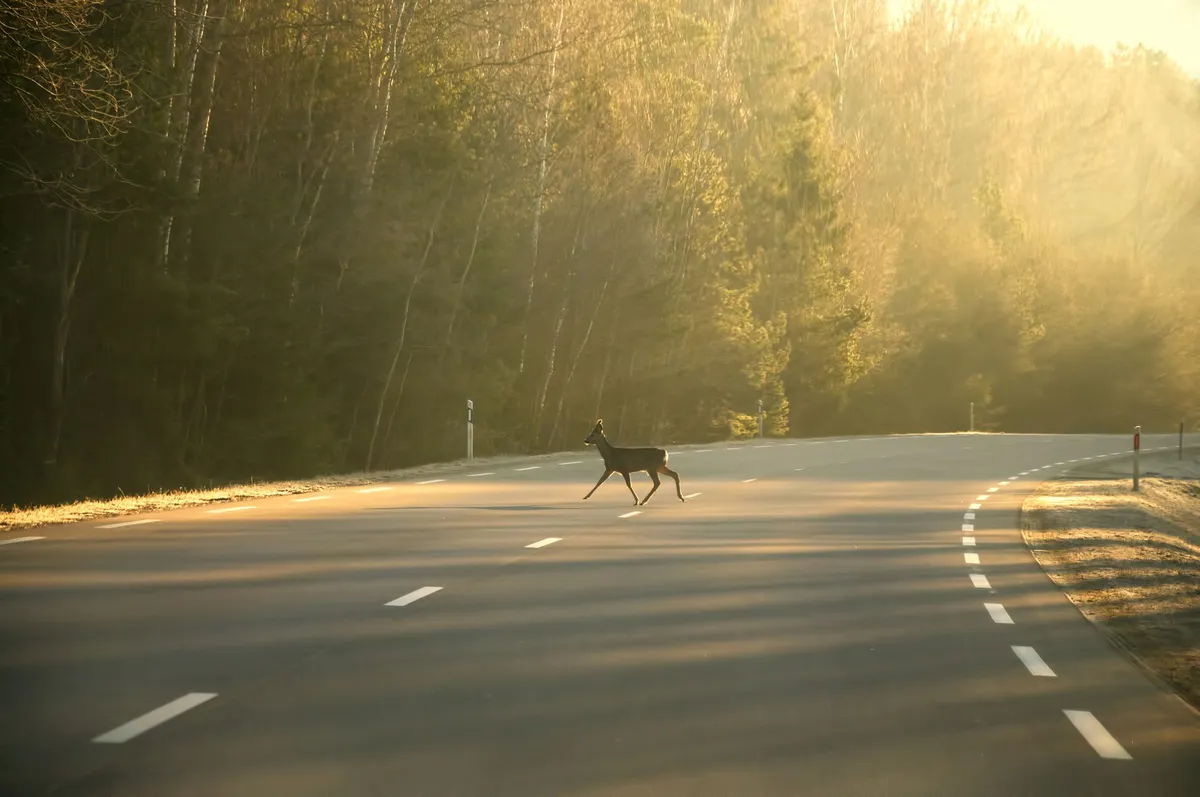
The analysis reveals a distinct seasonal pattern in animal collisions, with the highest incident rates occurring from October to December. In fact, some states reported that the majority of their animal collision losses transpire during these three months. This seasonal spike is primarily driven by deer mating season, during which deer are more active and likely to cross roadways.
Implications for Insurance Coverage
For insurance agents and their clients, the timing of these seasonal spikes is crucial. With many drivers renewing their personal auto policies in September and October, it’s essential to conduct a thorough coverage adequacy check. Clients who previously opted to drop comprehensive coverage during a period of steep premium increases, which saw rates surge by 46% from 2022 to 2024, may find themselves unprotected against a major loss category that is predictable and significant.
The average cost of claims related to animal collisions has also risen. In high-risk areas, the average claim cost reached approximately $5,620 in 2024, compared to $5,000 the previous year, according to AAA East Central Insurance data. Given that animal collisions can occur unexpectedly, it is critical for clients to assess their coverage options before the peak season arrives.
Market Trends and Coverage Options
While personal auto premiums have seen a decline of approximately 6% nationally in 2025, following the sharp increases of previous years, many drivers are now in a position to reconsider their coverage options. As affordability improves, insurance agents have an opportune moment to engage with clients who may have trimmed or eliminated comprehensive coverage during the hard market.
Given the Farmers analysis and the data-backed evidence of heightened risks associated with animal collisions, agents should initiate conversations about reinstating comprehensive coverage, especially in high-exposure states. This proactive approach not only protects clients but also enhances agents' reputation as trusted advisors who prioritize their clients' best interests.
- Montana: 74% of comprehensive losses due to animal collisions.
- Michigan: 72% of comprehensive losses due to animal collisions.
- Seasonal Risk: Peak animal collision incidents from October to December.
- Average Claim Cost: $5,620 in high-risk areas for animal collisions.
- Premium Trends: 6% decline in full-coverage rates in 2025 after a steep surge.

Preparing for the Upcoming Season
As the October-December window approaches, clients should be advised to review their auto insurance policies carefully. For those in high-risk states, it is particularly imperative to consider reinstating comprehensive coverage, which can provide protection against the financial repercussions of animal collisions. Clients with high deductibles set during previous years of premium stress should also reassess their risk exposure, as they may be inadequately covered if an animal collision occurs.
Insurance agents should outline the specifics of comprehensive coverage, explaining how it can safeguard against various types of damages, including those caused by animal strikes. Comprehensive coverage is typically optional in most states, which means that clients must be educated on the risks they face without it. By leveraging the data from the Farmers analysis, agents can present a compelling case for why reinstating this coverage is not just advisable but necessary for clients living in areas with high wildlife populations.
Key Takeaways
- Animal collisions account for a significant portion of comprehensive auto losses in specific states, especially in rural areas.
- Seasonal patterns lead to a spike in animal collision claims from October to December.
- Insurance agents should proactively discuss reinstating comprehensive coverage with clients as premiums stabilize.
- Average claim costs for animal collisions are rising, highlighting the financial risks of being underinsured.
Frequently Asked Questions
What is comprehensive auto coverage?
Comprehensive auto coverage is an optional type of insurance that protects drivers against damages to their vehicle caused by incidents other than collisions, such as theft, vandalism, and animal strikes. Unlike liability insurance, which is mandatory and covers damage to other people's property or injuries in an accident, comprehensive coverage provides peace of mind for drivers in situations where they may face unexpected costs from non-collision-related events.
How can I assess my risk for animal collisions?
Assessing your risk for animal collisions involves considering factors such as your location, driving environment, and seasonal patterns. If you live in a rural area or near wildlife habitats, your risk is likely higher. Additionally, being aware of peak seasons for animal activity, particularly during the fall months, can help you adjust your driving habits and coverage decisions accordingly. Consulting with your insurance agent to discuss your specific circumstances can also provide valuable insights into your risk exposure.
Why is comprehensive coverage important in high-risk states?
Comprehensive coverage is crucial in high-risk states because it protects drivers from the significant financial burden that can arise from animal collisions. In states where a large percentage of comprehensive losses are due to animal strikes, having this coverage can prevent substantial out-of-pocket expenses associated with repairs or vehicle replacement. Without comprehensive coverage, drivers risk being financially responsible for damages that could have been mitigated through proper insurance protection.
What steps should I take if I want to reinstate my comprehensive coverage?
If you are considering reinstating your comprehensive coverage, the first step is to review your current auto insurance policy and identify any gaps in coverage. Next, contact your insurance agent to discuss your options and get quotes for reinstating coverage. Be prepared to discuss your driving habits, location, and any changes in your circumstances that may affect your risk profile. Your agent can help you navigate the process and ensure you have the appropriate coverage in place before the peak season for animal collisions begins.
Comments
Stellantis Recalls Over 200,000 Jeep Vehicles for Tire Pressure Monitoring Issues
Stellantis has announced a significant recall of nearly 202,000 Jeep vehicles due to a software malfunction in the tire pressure monitoring system, posing increased safety risks. This article explores the implications of the recall, how it affects consumers, and what owners should do next.

Related articles
Popular in Car Insurance
- Consumer Sues GEICO and LexisNexis Over Identity Theft Claims Data Error
- Addressing Self-Driving Cars' Interference with Emergency Services
- Florida Court Reverses PIP Ruling, Favoring State Farm in Key Dispute
- NHTSA Investigates Nearly 1 Million GM Vehicles for Engine Failures
- OpenRoad Insurance Expands Classic Car Coverage to 40 States