Stellantis Recalls Over 200,000 Jeep Vehicles for Tire Pressure Monitoring Issues
Stellantis has announced a significant recall of nearly 202,000 Jeep vehicles due to a software malfunction in the tire pressure monitoring system, posing increased safety risks. This article explores the implications of the recall, how it affects consumers, and what owners should do next.

In a critical safety notification, Stellantis, the parent company of Jeep, has issued a recall for 201,976 vehicles in the United States. This decision stems from a software error that compromises the functionality of the tire pressure monitoring system (TPMS), which may fail to detect low tire pressures or illuminate warning lights. According to the U.S. National Highway Traffic Safety Administration (NHTSA), this defect not only elevates the risk of accidents but also renders the affected vehicles non-compliant with federal safety standards. Understanding the implications of this recall is essential for Jeep owners and potential buyers.
The vehicles affected by this recall include various models across the Jeep lineup, notably the Wagoneer and Grand Cherokee families, which are popular for their combination of ruggedness and luxury. While recalls are not uncommon in the automotive industry, the scale and nature of this particular incident warrant a deeper examination.
Understanding the Tire Pressure Monitoring System
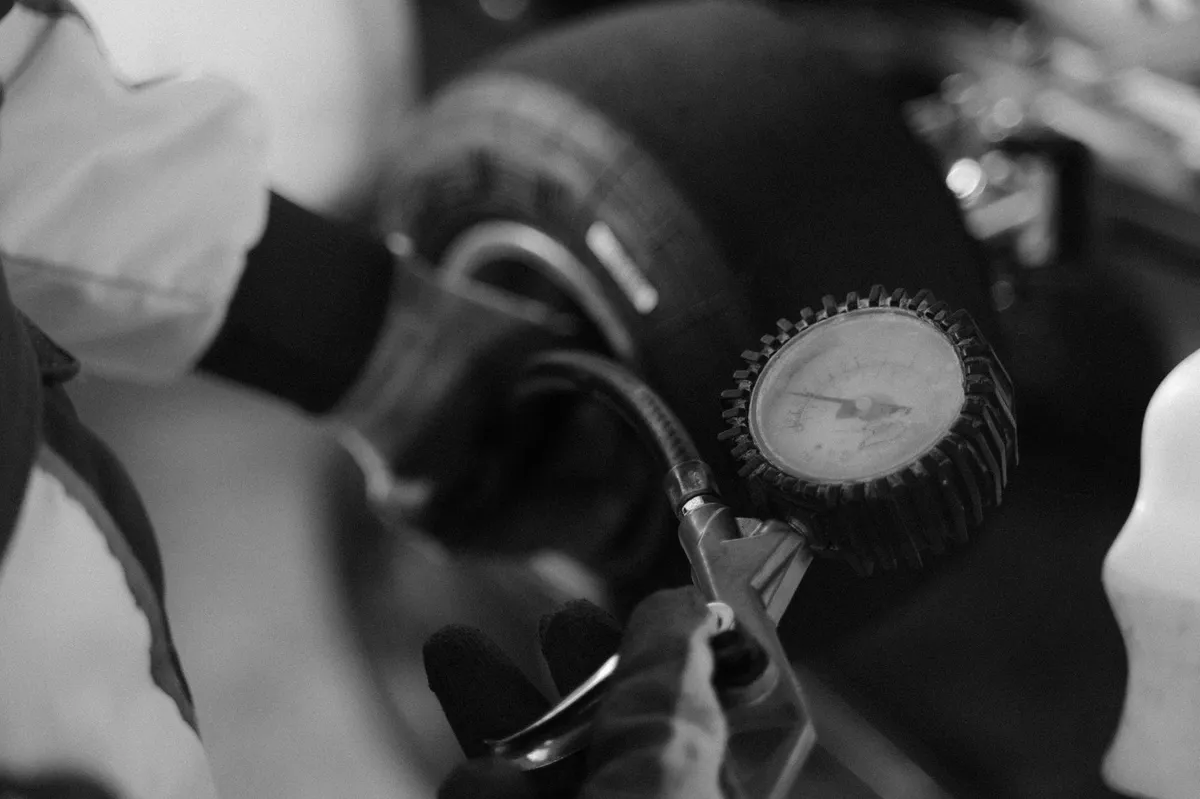
Tire pressure monitoring systems are designed to alert drivers when tire pressure falls below a safe threshold, which is crucial for maintaining vehicle safety and performance. Proper tire pressure contributes to better fuel efficiency, handling, and overall vehicle stability. A malfunctioning TPMS can lead to serious problems:
- Increased Crash Risk: Low tire pressure can lead to blowouts or loss of control, significantly increasing the likelihood of accidents.
- Decreased Fuel Efficiency: Under-inflated tires create more drag, leading to reduced fuel economy.
- Premature Tire Wear: Incorrect tire pressure can cause uneven wear, necessitating earlier replacement.
With the ongoing recall, Jeep owners should be particularly vigilant about their tire pressures and vehicle performance. The importance of a functional TPMS cannot be overstated, especially for those who frequently drive long distances or in challenging conditions.
Details of the Recall and Affected Models
The NHTSA has identified several Jeep models included in this recall. The affected vehicles comprise:
- Jeep Wagoneer
- Jeep Grand Cherokee
- Jeep Grand Cherokee L
- Jeep Grand Cherokee 4XE
- Jeep Grand Wagoneer
- Jeep Wagoneer L
- Jeep Grand Wagoneer L
- Jeep Cherokee
- Jeep Grand Wagoneer L PHEV
Stellantis has committed to addressing this issue by providing free software updates to the radio frequency hub, which is a critical component of the TPMS. Jeep owners should expect to receive notifications from their dealers regarding the recall and the necessary steps to rectify the problem. It is advisable for vehicle owners to not ignore these notifications, as timely action can significantly mitigate safety risks.
The Legal and Financial Implications of Recalls
Recalls like this not only have safety implications but also carry potential legal and financial repercussions for manufacturers. Under U.S. law, automakers are required to comply with safety regulations set forth by the NHTSA. Failing to do so can result in hefty fines and damage to the brand's reputation. In this instance, Stellantis must navigate the challenges of consumer trust while ensuring compliance with federal regulations.
From a financial perspective, recalls can have a substantial impact on a company's bottom line. The costs of repairs, along with any associated legal expenses, can quickly accumulate. Moreover, negative publicity surrounding a recall can deter potential buyers, affecting sales. For Stellantis, restoring confidence among Jeep owners will be paramount in the aftermath of this recall.
What Should Affected Jeep Owners Do?
For Jeep owners who find their vehicles listed in this recall, prompt action is essential. Here’s what to do:
- Check Your VIN: Visit the NHTSA website or contact your local dealer to verify if your vehicle is part of the recall.
- Schedule an Appointment: Reach out to your Jeep dealer to set up a service appointment for the software update.
- Monitor Tire Pressure: Until the issue is resolved, regularly check your tire pressures manually to ensure they are within the recommended range.
- Stay Informed: Keep an eye on communications from Stellantis for any updates or additional instructions related to the recall.
By taking these steps, vehicle owners can help ensure their safety on the road while also promoting the prompt resolution of the recall issue.

Key Takeaways
- Stellantis is recalling over 200,000 Jeep vehicles due to a software malfunction in the TPMS.
- Affected models include various Jeep Wagoneer and Grand Cherokee variants.
- Free software updates will be provided to rectify the issue at authorized dealerships.
- Vehicle owners should act quickly to address the recall and maintain tire safety.
Frequently Asked Questions
What is a tire pressure monitoring system (TPMS)?
A tire pressure monitoring system (TPMS) is an electronic system designed to monitor the air pressure in a vehicle's tires. If any tire is under-inflated, the TPMS alerts the driver through a warning light on the dashboard. This system is crucial for ensuring optimal tire performance, safety, and fuel efficiency. In vehicles affected by the Stellantis recall, a software error may prevent these alerts from functioning properly, increasing the risk of driving on under-inflated tires.
How will the recall process work?
Once a vehicle is identified as part of the recall, Jeep owners will be notified via mail or through their dealership. The recall process typically involves scheduling an appointment with an authorized dealer who will perform the necessary software update at no cost to the owner. It is recommended that vehicle owners act promptly to ensure their safety and compliance with federal regulations.
What should I do if I experience tire pressure issues before the recall is fixed?
If you notice any issues with your tire pressure before the recall is addressed, it is crucial to check your tire pressures manually. Use a reliable tire pressure gauge to ensure all tires are properly inflated to the manufacturer's recommended levels. If any tire is found to be significantly under-inflated, you should inflate it to the correct pressure immediately or consult a tire specialist for assistance. It's essential to prioritize safety while awaiting the recall resolution.
Are there any costs associated with the recall repairs?
No, the repairs associated with this recall will be provided free of charge to affected Jeep owners. Stellantis has committed to addressing the software issue at no cost through authorized dealerships. Owners should ensure they keep their appointment and have the software updated as soon as possible to secure their safety on the road.
Comments
Navigating Animal Collision Risks: A State-by-State Breakdown
A recent analysis reveals that animal collisions account for a significant portion of auto comprehensive losses, particularly in rural states. This article explores the implications for insurance coverage and the seasonal patterns affecting claims.

Related articles
Popular in Car Insurance
- Consumer Sues GEICO and LexisNexis Over Identity Theft Claims Data Error
- Addressing Self-Driving Cars' Interference with Emergency Services
- Florida Court Reverses PIP Ruling, Favoring State Farm in Key Dispute
- NHTSA Investigates Nearly 1 Million GM Vehicles for Engine Failures
- OpenRoad Insurance Expands Classic Car Coverage to 40 States