E-Bike Safety Crisis: Are Parents to Blame for Children's Injuries?
As injuries and fatalities involving children on e-bikes escalate, a debate emerges over parental accountability and regulatory measures. Local laws vary widely, leaving families confused about safety protocols and responsibilities.
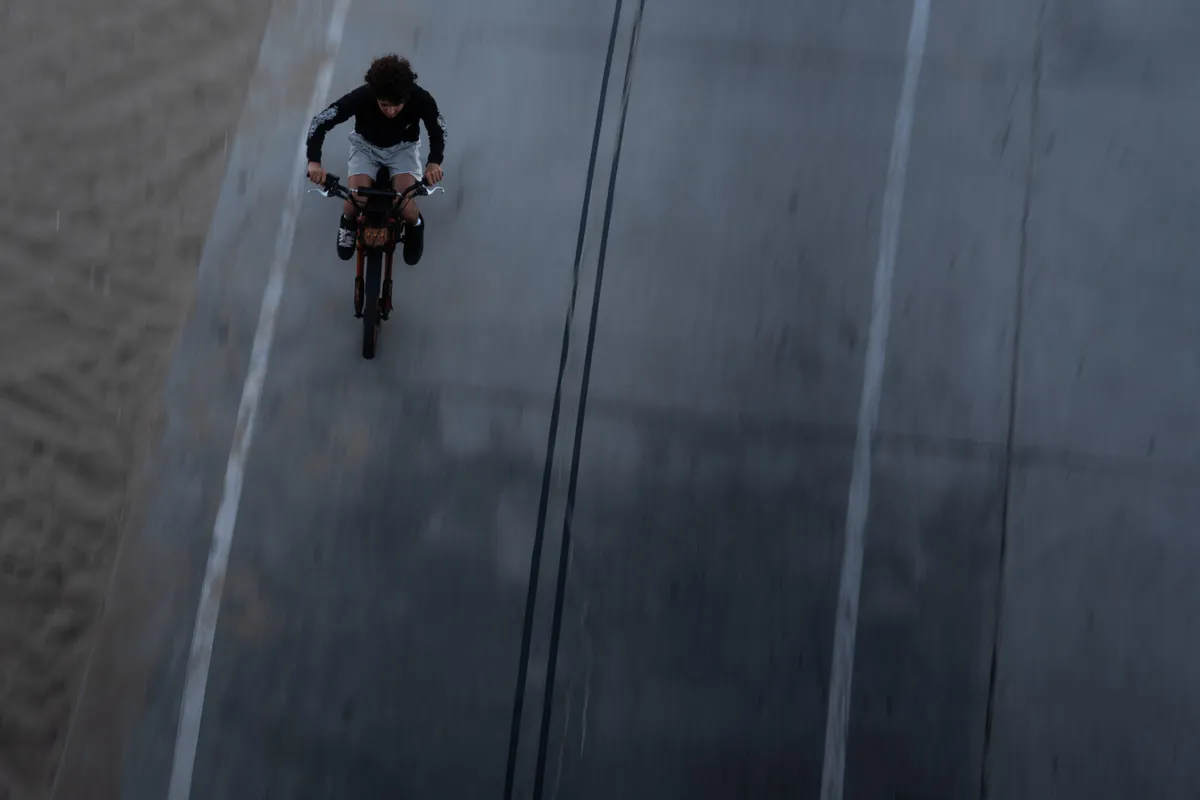
The surge in popularity of e-bikes has transformed urban mobility, especially among young riders. However, this new mode of transportation has been accompanied by a troubling rise in injuries and fatalities, particularly among children. In response, a California prosecutor has ignited a contentious debate by pursuing criminal charges against parents of young riders involved in serious accidents. This approach reflects a growing trend across the nation, as local authorities grapple with how to regulate these vehicles and enhance safety without overreaching.
As officials attempt to tackle this public safety crisis, families find themselves navigating a confusing patchwork of local laws and safety guidelines. For instance, after the tragic death of a 17-year-old in New York City riding an illegal e-bike, the mayor's office has intensified efforts to crack down on retailers selling non-compliant models. Meanwhile, New Jersey has implemented strict age and licensing requirements for e-bike riders. However, some experts and parents argue that these regulations may not adequately address the root of the problem and could unfairly penalize responsible e-bike users.
The Alarming Increase in E-Bike Injuries
As e-bikes have surged in popularity, especially in urban areas, so too have the number of accidents involving young riders. From beach towns in California to bustling streets in New York City, e-bikes have become a common sight, and with this, hospital visits for injuries have markedly increased. Research indicates that injuries sustained by children on e-bikes are not only more frequent but also more severe compared to traditional bicycles.
Understanding the Injury Statistics
Dr. John Austin, a researcher at the University of California San Diego School of Medicine, has observed concerning trends in e-bike injuries. His studies reveal that:
- Children involved in e-bike accidents are generally younger and more likely to be unhelmeted.
- The severity of their injuries is significantly greater than those seen in traditional bicycle accidents.
- Parental involvement and oversight in safety practices are critical yet often overlooked.
This data underscores the urgent need for localized and possibly national safety regulations that take into account the unique risks associated with e-bikes.

Regulatory Responses and Their Effectiveness
In light of rising injuries and fatalities, various jurisdictions have taken steps to regulate e-bikes more strictly. In New York City, the tragic death of Gabriel Nacato, who was riding an illegal e-bike, led to Mayor Zohran Mamdani issuing cease-and-desist notices to over 40 online retailers. These notices threaten substantial fines for selling e-bikes that do not comply with the city’s regulations.
State-Specific Regulations
Across the U.S., states have implemented different requirements, which adds to the confusion:
- **New York:** Minimum age of 16 for all e-bike riders, with a cap of 15 mph (24 kph).
- **California:** No statewide minimum age for lower-powered e-bikes; however, riders must be at least 16 for higher-powered models.
- **New Jersey:** Requires e-bike riders to be at least 15 years old and possess a license and registration.
- **Florida:** Governor Ron DeSantis vetoed e-bike regulations, citing concerns over government surveillance.
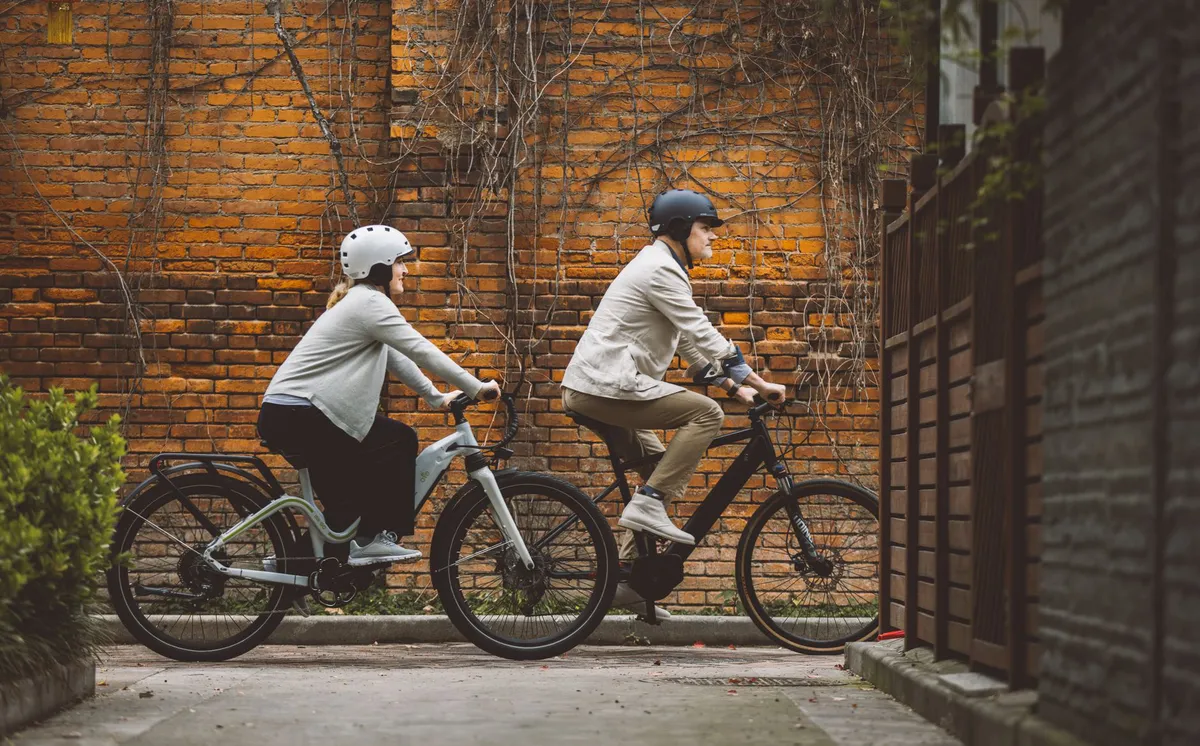
These varying regulations highlight a fragmented approach to e-bike safety across the nation. Advocates argue for a cohesive strategy that addresses safety without penalizing responsible riders.
The Shift Towards Parental Accountability
In California, Orange County's District Attorney Todd Spitzer has taken an aggressive stance by investigating parents of young e-bike riders involved in serious accidents. This initiative has already resulted in charges against several parents, igniting heated discussions about accountability and responsibility.
Legal and Ethical Implications
Critics argue that holding parents criminally responsible for their children's actions on e-bikes may not be the most effective solution. Some parents, like Monica Stafford from San Francisco, feel that focusing solely on parental accountability misses the broader issue of safety education and regulatory gaps. She advocates for a standardized set of rules to govern e-bikes, akin to those for cars, which could include:
- Age restrictions.
- Mandatory safety training for young riders.
- Stricter penalties for selling illegal e-bikes.
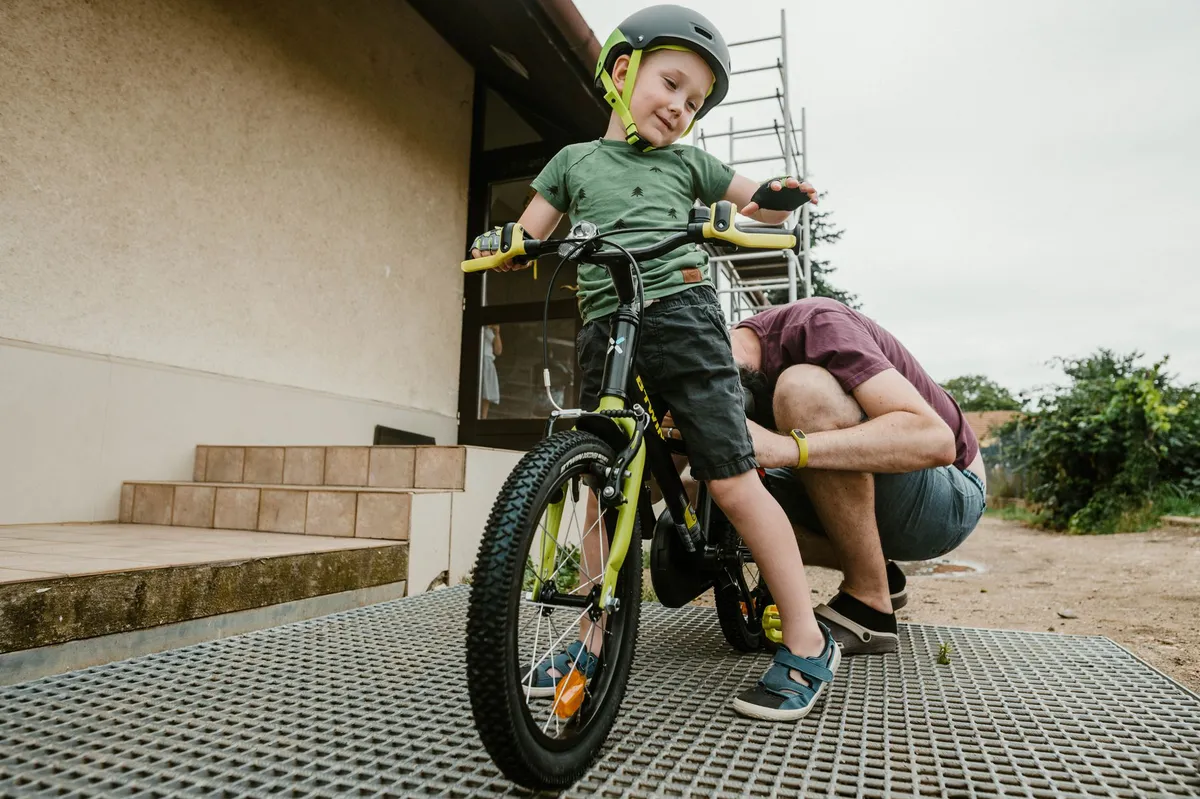
Parents like Sharon Franke emphasize the need for proactive involvement in their children's riding experiences, advocating for thorough research and safety training. “We want them to have fun, but we also want them to come back safe,” she said, underscoring the delicate balance between freedom and responsibility.
Advocacy for Better Safety Measures
As the conversation around e-bike safety continues, advocacy groups such as PeopleForBikes are urging for a nuanced understanding of the issues at hand. They argue that many of the dangerous behaviors associated with e-bikes, such as running red lights or riding without helmets, are already illegal and should be enforced more rigorously rather than creating new restrictions.
A Call for Comprehensive Solutions
High school senior Anya Dalal stresses the need for a multi-faceted approach that includes parental accountability, manufacturer responsibility, and educational initiatives for young riders. “It should be a mix,” she states, highlighting the importance of community engagement and proper training to foster safer riding practices among children.
Key Takeaways
- The rise in e-bike popularity among youth has led to an alarming increase in injuries and fatalities.
- Current regulations vary significantly by state, leading to confusion over legal requirements and safety protocols.
- Some jurisdictions are pursuing parental accountability, sparking debate over the effectiveness and fairness of such measures.
- Advocates call for a comprehensive approach to e-bike regulation, focusing on safety education and responsible riding practices.
Frequently Asked Questions
What safety measures should parents implement for their children riding e-bikes?
Parents should ensure their children wear helmets, understand traffic laws, and are aware of their e-bike's specific regulations. It is also advisable to accompany younger riders on initial trips and enroll them in safety training courses to reinforce safe riding practices.
Are e-bikes classified differently in various states?
Yes, e-bikes are classified differently based on state laws. While federal law classifies most e-bikes as nonmotorized bicycles, many states have additional regulations concerning age limits, licensing, and safety gear that riders must adhere to.
What can communities do to improve e-bike safety?
Communities can implement educational programs, enforce existing traffic laws more strictly, and support initiatives for standardized e-bike regulations. Local governments can also promote safe riding campaigns and provide resources for parents and young riders.
Comments
Popular in Guides
- Texas Hill Country Floods: Lessons Learned and Warning Systems Tested
- El Niño: The Strongest Weather Phenomenon in Decades
- Meta's Controversial AI 'Nudify' Ads: A Deep Dive into the Scandal
- July 2026: The Hottest Month in U.S. History and Its Implications
- Record-Breaking Heat: The Impact of July 2026 on Climate and Insurance